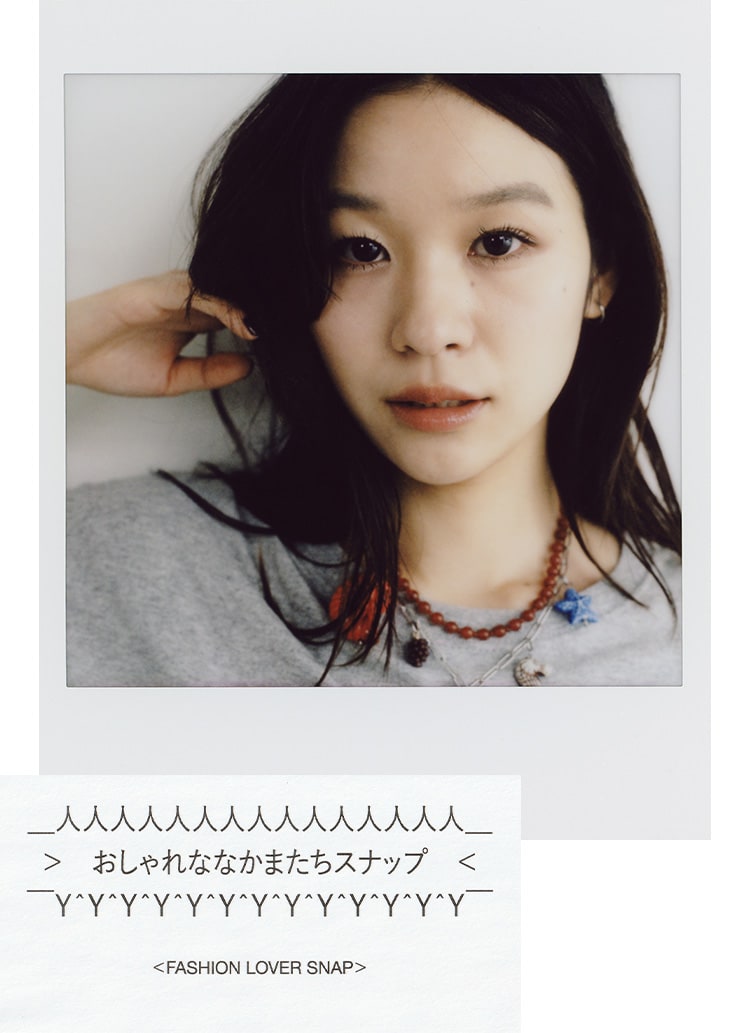
2_Saki Shibata

PROFILE
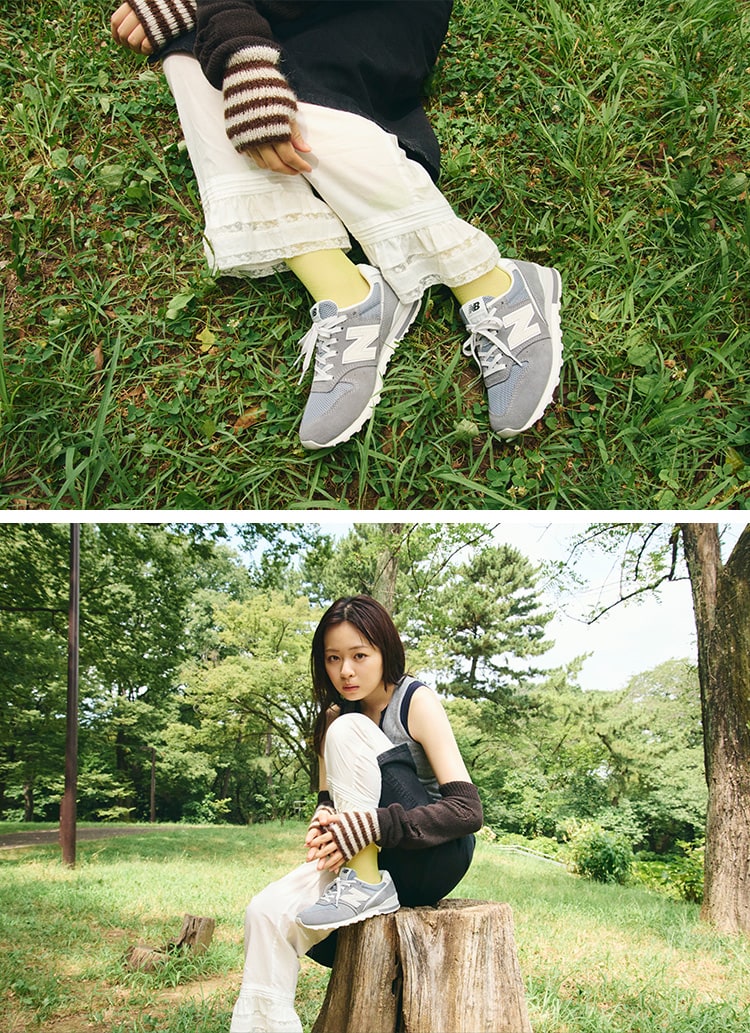
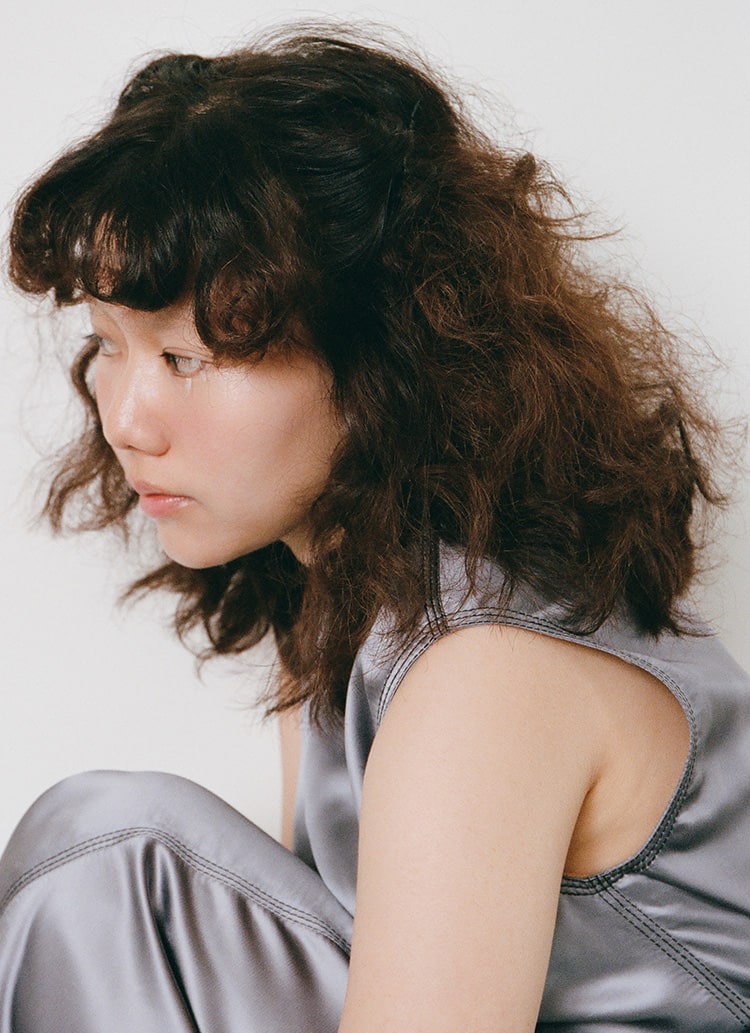
In addition to appearing in advertisements and magazines as a model, she is active in a wide range of fields, including product development and event planning. In recent years, she has focused on “living authentically,“ visiting villages of indigenous peoples overseas and growing vegetables in her own garden. Her nickname is “Shibasaki.”
Instagram: @shibasaaki
Life, clothes, food, and beer
I want to choose things that make me feel good.
—Ms. Shibata has been working as a model since her early 20s. I hear she’s been enjoying her daily life recently under the theme of “living as a person.”
Shibata: One of the most significant influences has been experiencing the lifestyles of various ethnic groups during my travels, which have become my life’s work. For example, when I visited Laos some time ago, I lived in a traditional stilt house. There, people harvest what they’ll eat that very day and enjoy it fresh, and they weave their own clothes. I thought it was cool that “living as a person” was the norm there, and I began to wonder if that might actually be the truest form of wealth. Also, perhaps because they engage so fully with their daily lives, the villagers all have such calm hearts and very few emotional ups and downs.
—How did you end up visiting the ethnic village?
Shibata: It all started when I met two Japanese staff members from JICA (Japan International Cooperation Agency) while on a business trip abroad, and we continued to stay in touch even after I returned to Japan. Since I’ve always loved nature, I suppose it was only natural that I became interested in the lives of indigenous peoples.
—And I hear you’ve moved to the suburbs of Tokyo.
Shibata:
That's right! I just moved here about 10 days ago. I'm in my early 20s, and ever since I moved from Aichi to Tokyo, I've lived in the city center. But I've been wanting to be honest with myself about my love for nature, and when I found a great apartment, I decided to make the move.
I started working on the farm five years ago, right in the midst of the COVID-19 pandemic, and I’ve been farming in Akiruno for the past three years, so I’m really glad it’s become easier to get there. On days when I work at the farm, I have to get up early—around 6 a.m.—and it takes me just under two hours to get there, so it was actually quite a struggle when I lived in the city center.
—Has your lifestyle changed since you lived in the city center?
Shibata: It’s only been a short while since I moved in, but I’ve found myself with some free time, and I really feel like I’m living a more mindful life. It’s a bit of a walk from the station, and it takes time to get into the city center for work, so to be honest, there is a physical burden—but I don’t mind it at all.
—What’s your morning routine, Mr. Shibata?
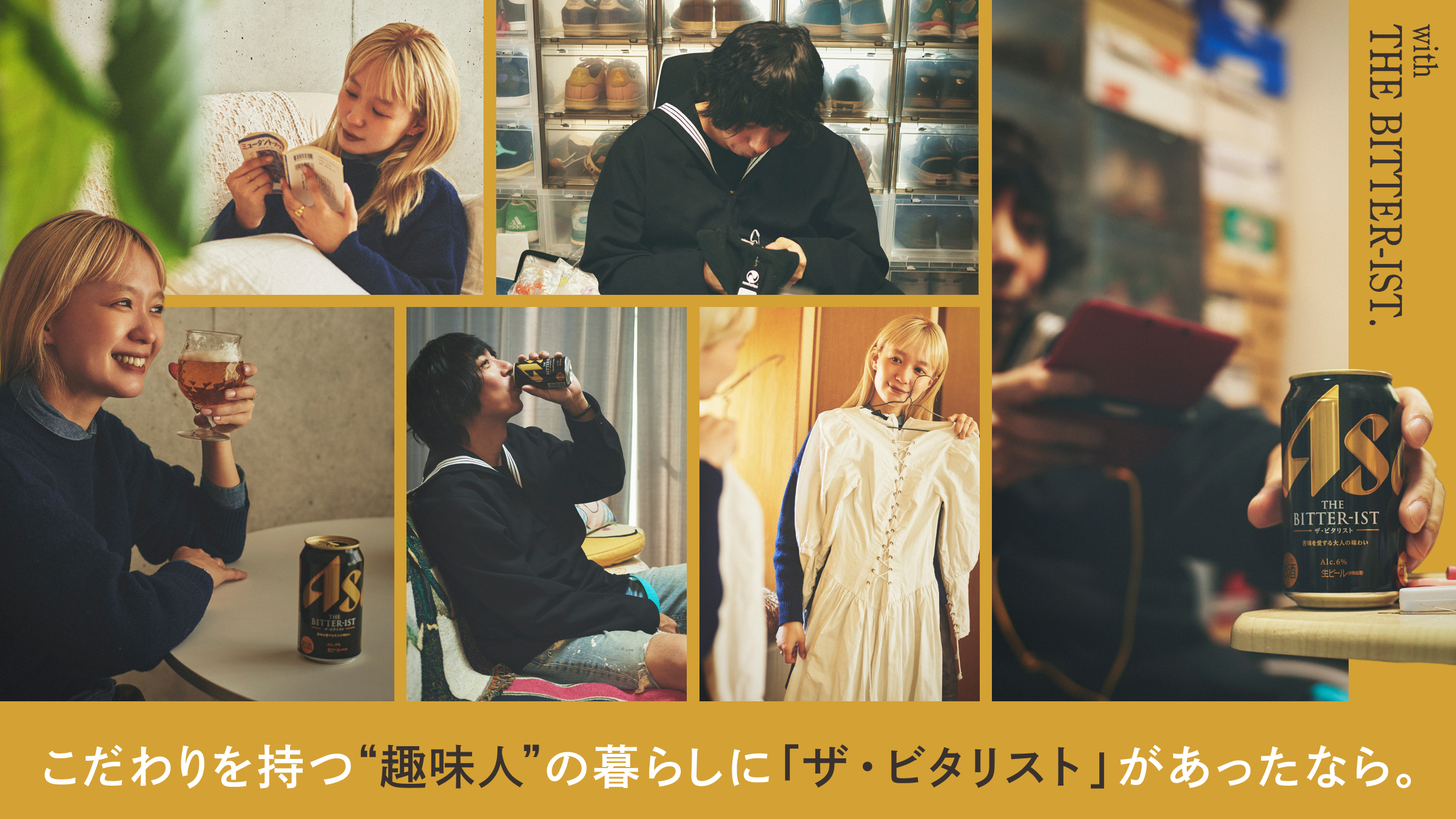
Shibata: I don’t manage to do this every day, but on a good day, my routine starts with opening the window as soon as I wake up to let in some fresh air and soak up the morning sun. Then I burn some sage while mopping the floor and tidy up the house. After that, I brew some herbal tea and take a breather with a good book. The book I’m reading right now is Marlo Morgan’s *The Mutant Message*. It’s a work of fiction that depicts interactions with Aboriginal tribes in Australia.
Shibata: When I lived in the city center, I never had the chance to take things this slowly, so I’m happy that my life seems to be getting a little richer.
—You’ve certainly changed a lot since your twenties, haven’t you?
Shibata:
As a model, I was constantly on the go, and while things might have looked glamorous on the outside, looking back now, it was also a time when I had lost sight of my inner self. For the entire decade of my 20s, I charged headlong toward my dreams. Even when I was busy or couldn’t sleep at night, I felt fulfilled—and of course, it was fun—but there were times when my mental health would suddenly take a nosedive, or when I’d spend my days off unable to move, just lying on the sofa.
I think people generally see me as a lively person, but I also enjoy taking things easy mentally, so I’ve decided to start by moving somewhere a little away from the city center.
—I feel like changing my surroundings really lifts my spirits.
Shibata: That’s right. Just riding my bike to the station with the wind in my hair makes me feel nature all over my body, and when I touch the soil in the garden and cook the vegetables I’ve grown myself to serve at the dinner table, I’m filled with a sense of happiness. I grow many different kinds of vegetables—carrots, potatoes, Jerusalem artichokes, herbs, and more—and I love how tending the garden lets me feel the changing seasons. In my new home, I’ve started growing Bifurcatum ‘Netherlands,’ which I brought back from Miyako Island, right in my room.
Shibata: Now that I’m in my 30s, I’ve gained the time and energy to enjoy cooking at home, and the fact that I’ve started drinking and met all sorts of people are real treasures of city life. One of the great things about alcohol is that it breaks down barriers between people and helps us connect on a deeper level.
—What kind of alcohol do you like?
Shibata: I only drink a little now and then, but when I first started being able to drink beer, I was happy to feel like I’d finally grown up. Though my face does get red really quickly (lol).
—What did you think of the taste of "The Vitalist" that you tried this time?
Shibata: With its crisp bitterness and refreshing herbal aroma, it has a flavor that’s easy for women to enjoy—I was surprised at how easily I could drink it. The finish is clean and light, so I thought it would be perfect for the warmer months ahead.
—What kind of snacks do you make when you drink at home?
Shibata: I often cook dishes with natural seasoning using spices and herbs. "The Vitalist" has a scent reminiscent of black pepper, so I think it would pair well with spicy dishes. I also enjoy steamed vegetables, which let me simply savor the natural flavors of the ingredients.
Shibata: I feel like having a drink when I’ve really given it my all. Whether it’s work, gardening, or just having fun, whenever I feel like I’ve really pushed myself today, I just want to pop open a bottle.
—Are there any similarities between choosing secondhand clothes and choosing food and drinks?
Shibata: That’s exactly it—whether it’s the things in my home, the clothes I wear, the food I eat, or the beer I drink, I have my own preferences and principles, but my policy is simply to choose what feels right.
Shibata: I started working at a vintage clothing store when I was a teenager and fell in love with vintage fashion. Even now, my love for vintage items remains unchanged. Among the many vintage pieces in my closet, there are two that are my absolute favorites: a corset-style dress and an embroidered dress that I bought at a market overseas. They’re precious treasures to me, and I’ll always cherish the excitement I felt when I first found them.
—So, choosing things that make you feel good is exactly what it means to “live your own life.”
Shibata: There was a time when I used to worry about how I looked to others, but now that I’m in my 30s, I’ve experienced life’s ups and downs and feel like I’ve finally learned to accept myself for who I am. I hope that even when I’m an old woman, I’ll still be able to enjoy life on my own terms, surrounded by things that suit me.
- 1
- 2