

Factory 02_JEANS’ M.C.D.
Jeans M.C.D.: A processing plant that brings out the character of jeans.
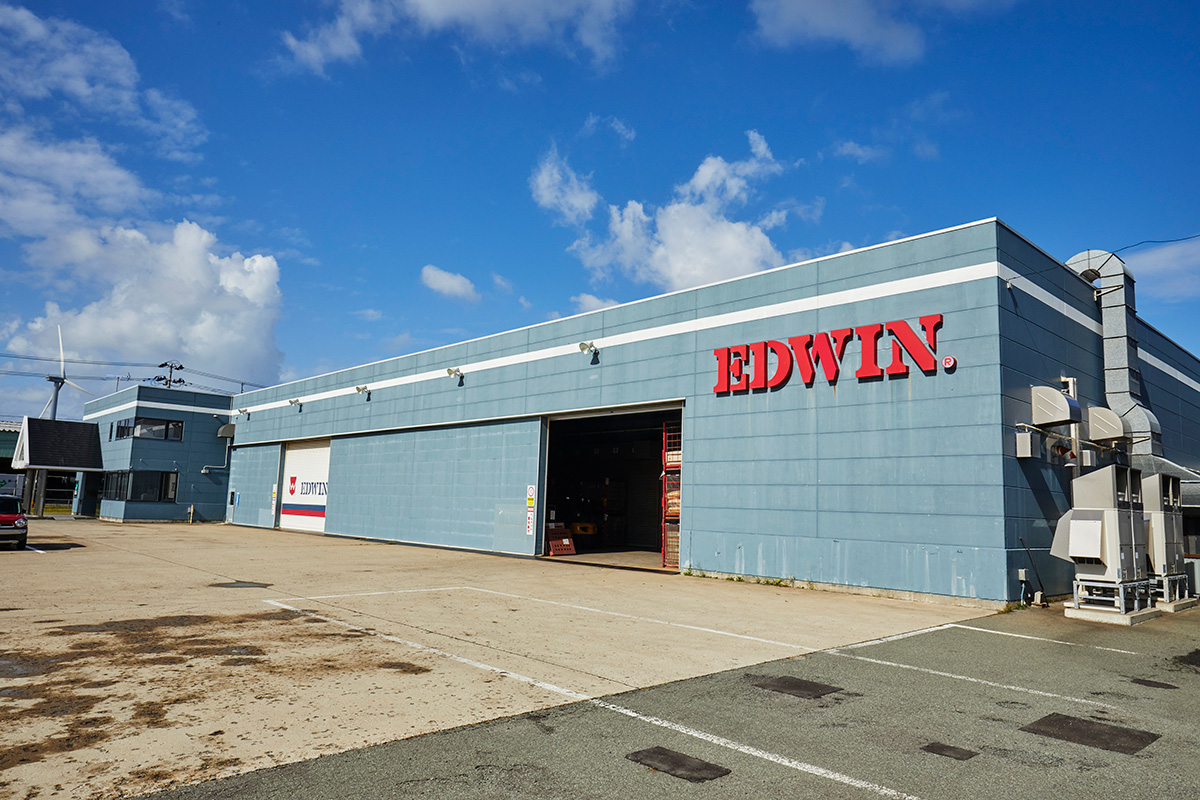
“Jeans M.C.D.,” located in a coastal industrial zone in Akita City, is where the finished jeans are shipped out. Established by in Heisei 1, this facility performs a variety of finishing processes to create that distinctive, well-worn look. In the past, it was common to deliver jeans to customers in their raw, unprocessed state, but today, finishing is considered part of the design—an indispensable step in the jeans-making process. The name “M.C.D.” is an acronym for Manufacturing (jeans production), Cleaning (specialized jeans washing), and Development (new jeans product development). The facility not only applies washes but also develops and applies a variety of finishing techniques, such as shaving and distressing.
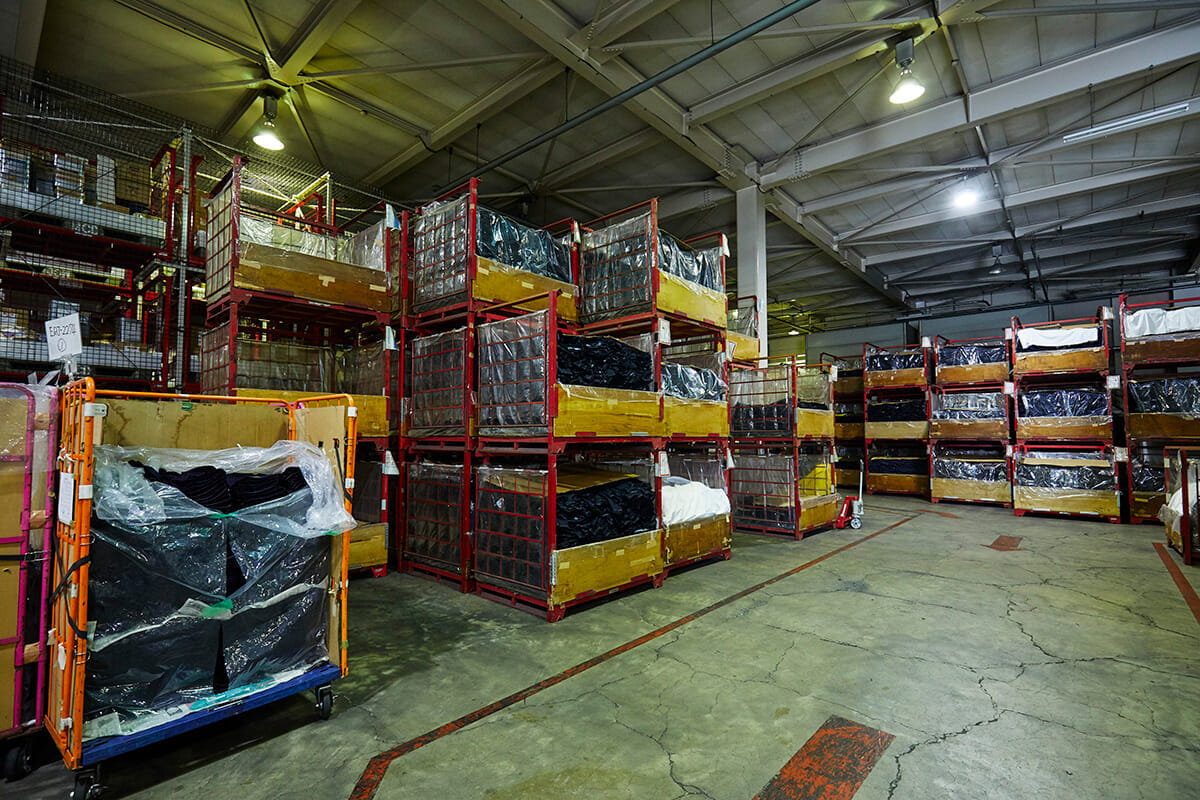
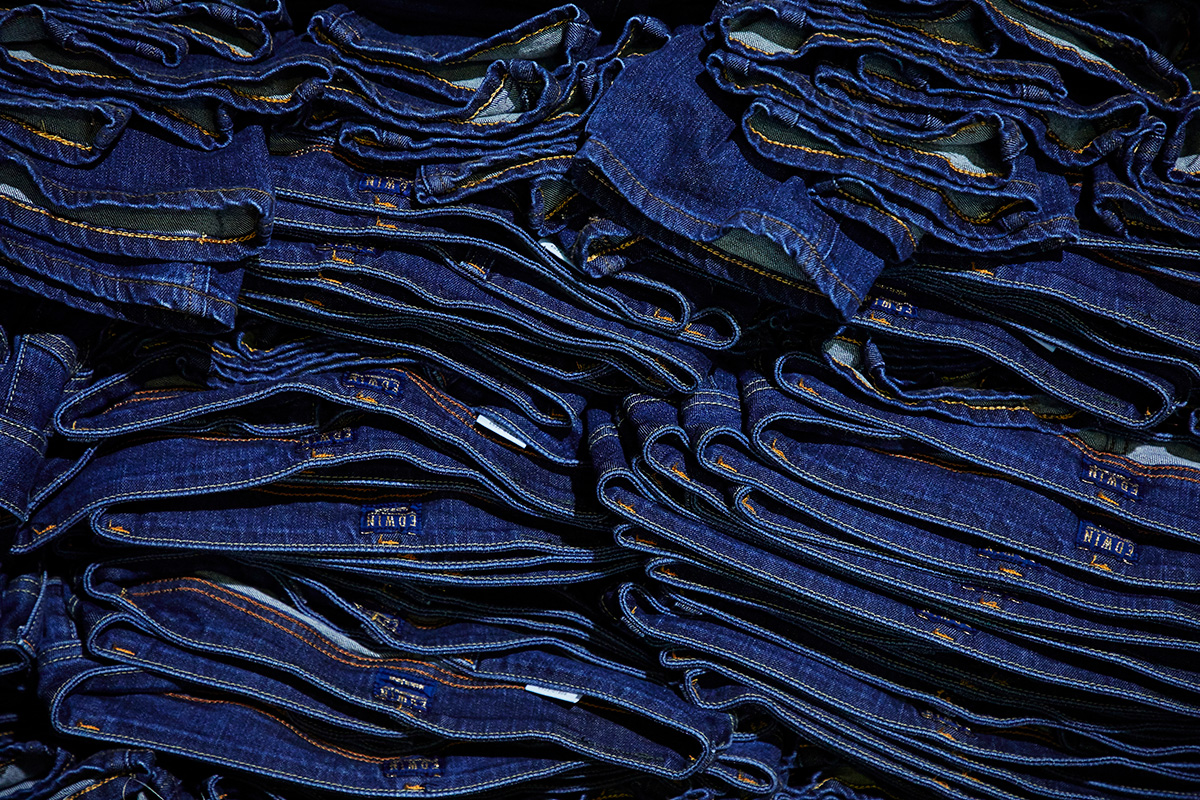
At the “Jeans M.C.D.” warehouse, 5,000 pairs of jeans arrive daily from various sewing factories. They are sorted into batches suitable for a single wash cycle (approximately 50 kg, or about 100 pairs of jeans) and loaded into carts for transport within the factory.
The first step is a process called “side-splitting.” By turning the garment inside out, carefully opening the outer seam of the leg, and securing it with tape, you prevent the seam from puckering and ensure a clean, even finish.
Shaving.
Artisan craftsmanship breathes life into jeans.
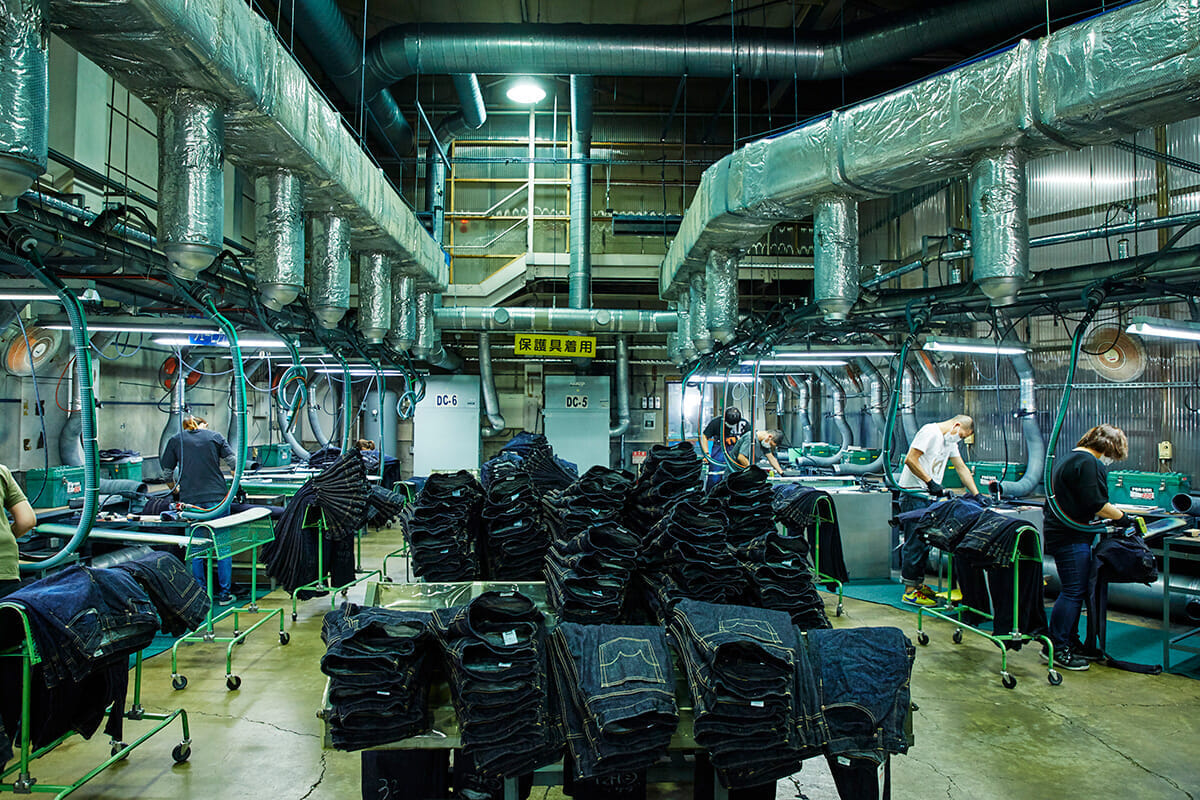
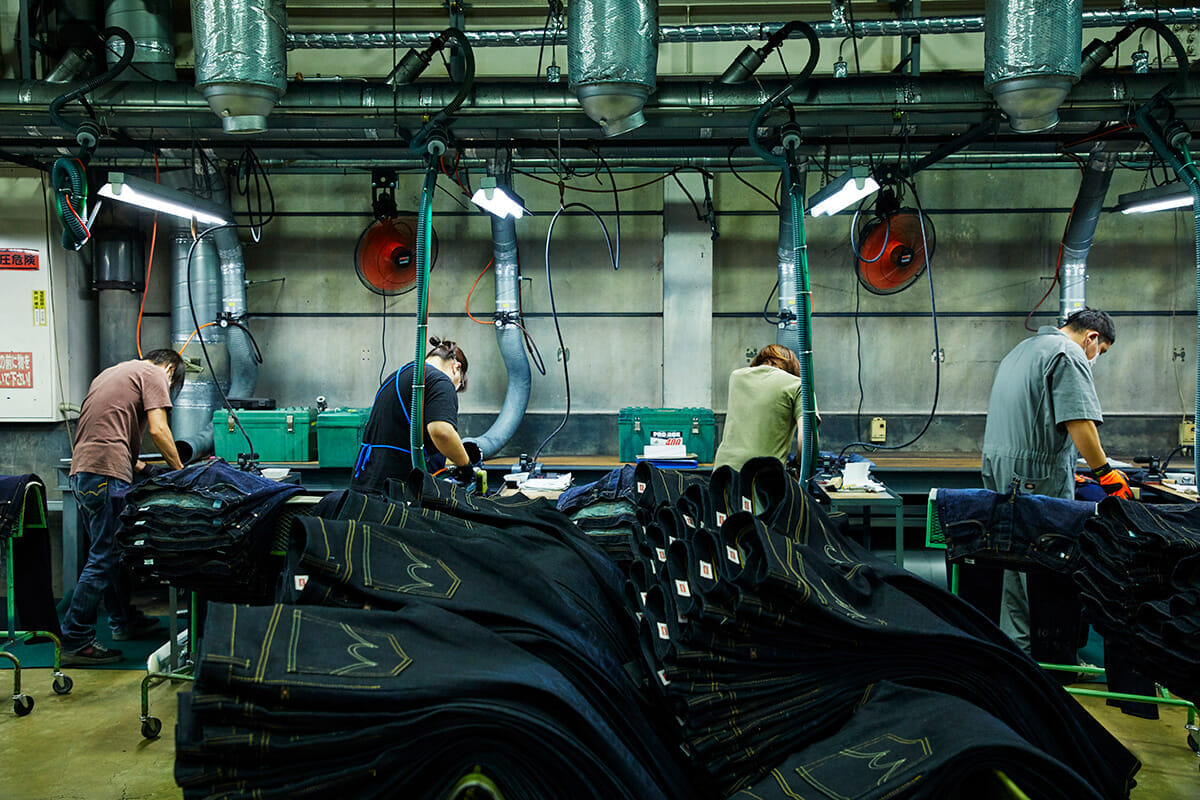
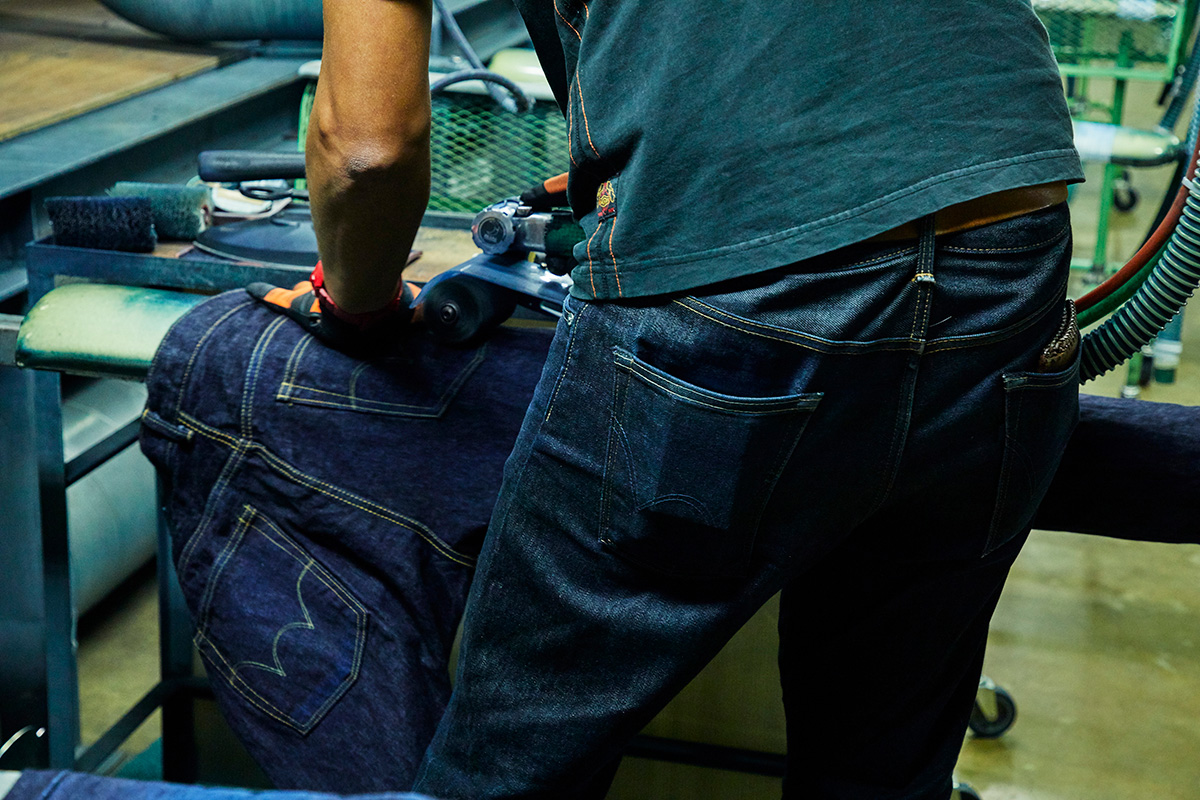
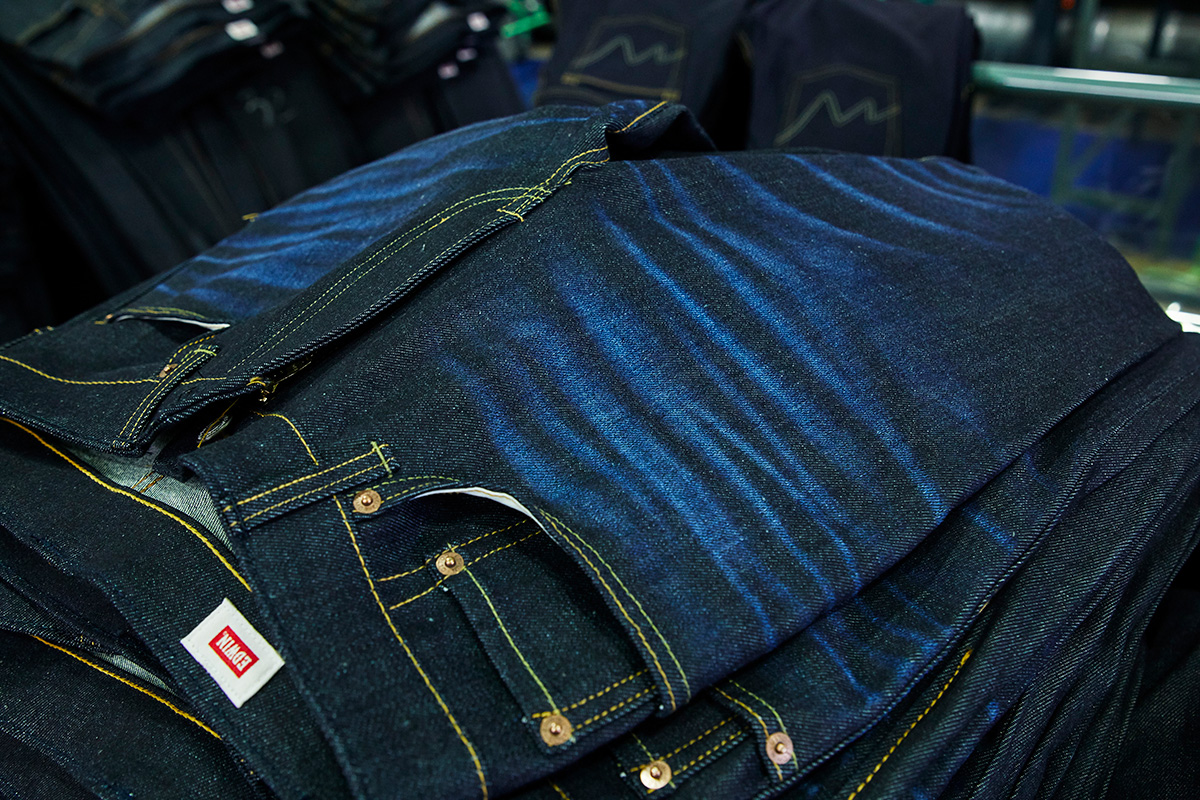
Raw denim is first sent through a process called “shaving.” As the name suggests, this process involves scraping the surface of the jeans to create a worn-in look. The processing is performed using a specialized tool developed in-house called an “Air Kanna,” which is equipped with a dust collection system to capture the fibers that are generated during the process. Achieving a consistent look across the same model requires highly precise techniques that ensure reproducibility. For some models, the shaving process is performed after the jeans have undergone a wash treatment.
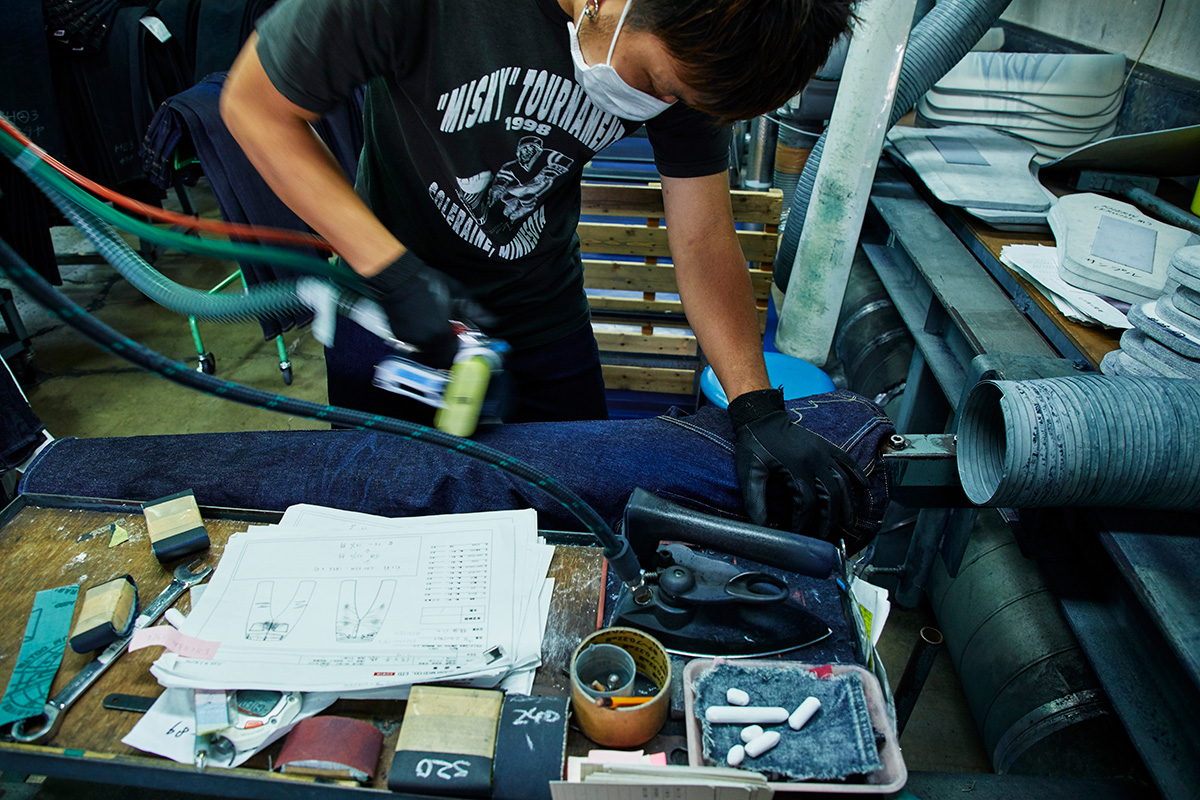
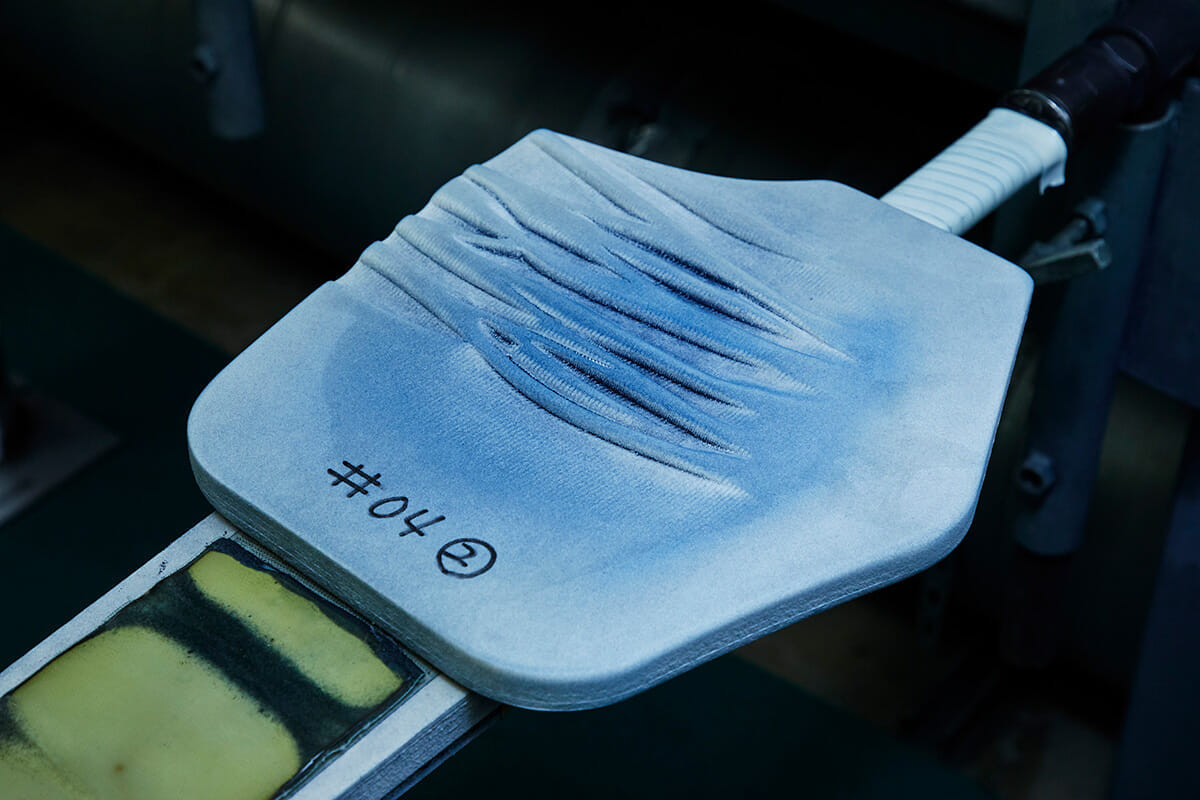
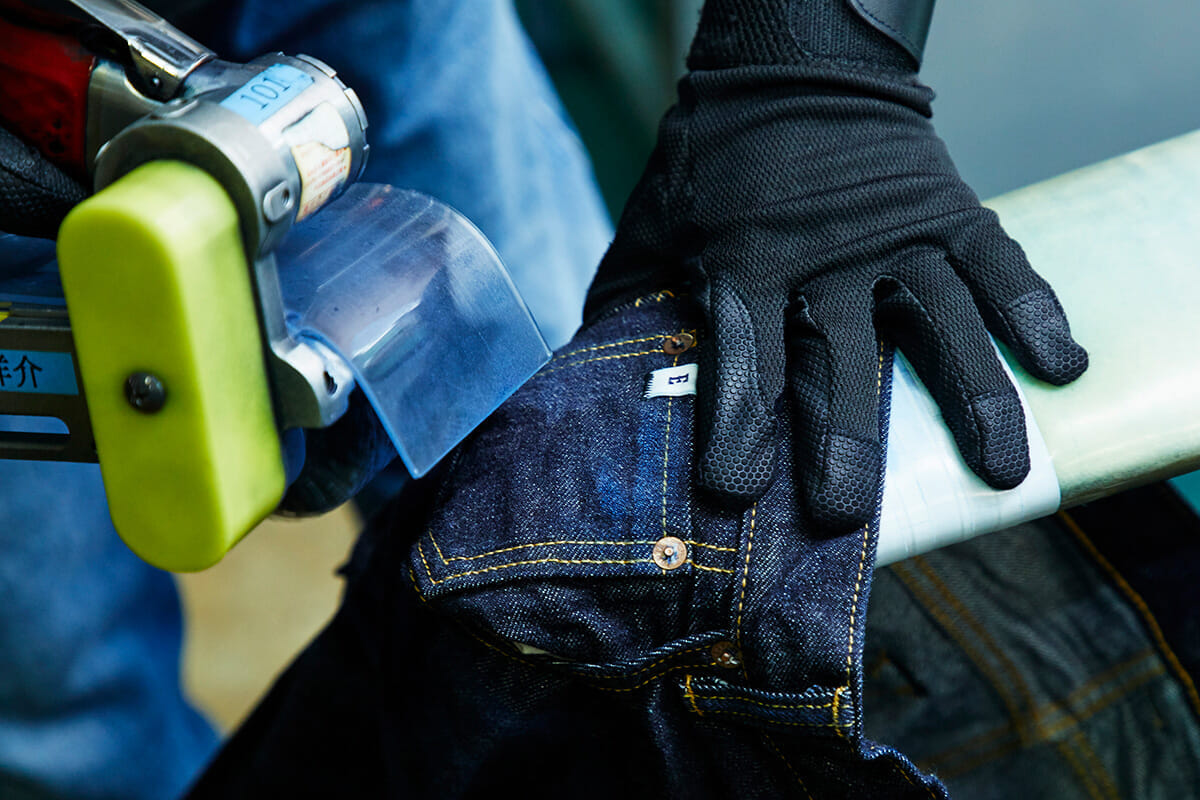
We use an air planer fitted with an abrasive to sand the surface of the jeans and create a worn look (first photo). Sandpaper is sometimes used when a rougher worn look is desired. While there are general guidelines for the number of passes with the air planer, we also make subtle adjustments based on feel to ensure the worn look is consistent. The so-called “whiskers” that appear on the inner thighs are a key wear pattern that defines the character of the jeans. To create them, a foam urethane block called a “whisker block” is used (Photo 2). These are designed and hand-carved by specialized staff, then 3D-scanned; the resulting data is used to machine the blocks on a lathe. The factory keeps a large stock of these whisker boards and selects the appropriate ones based on size and design.
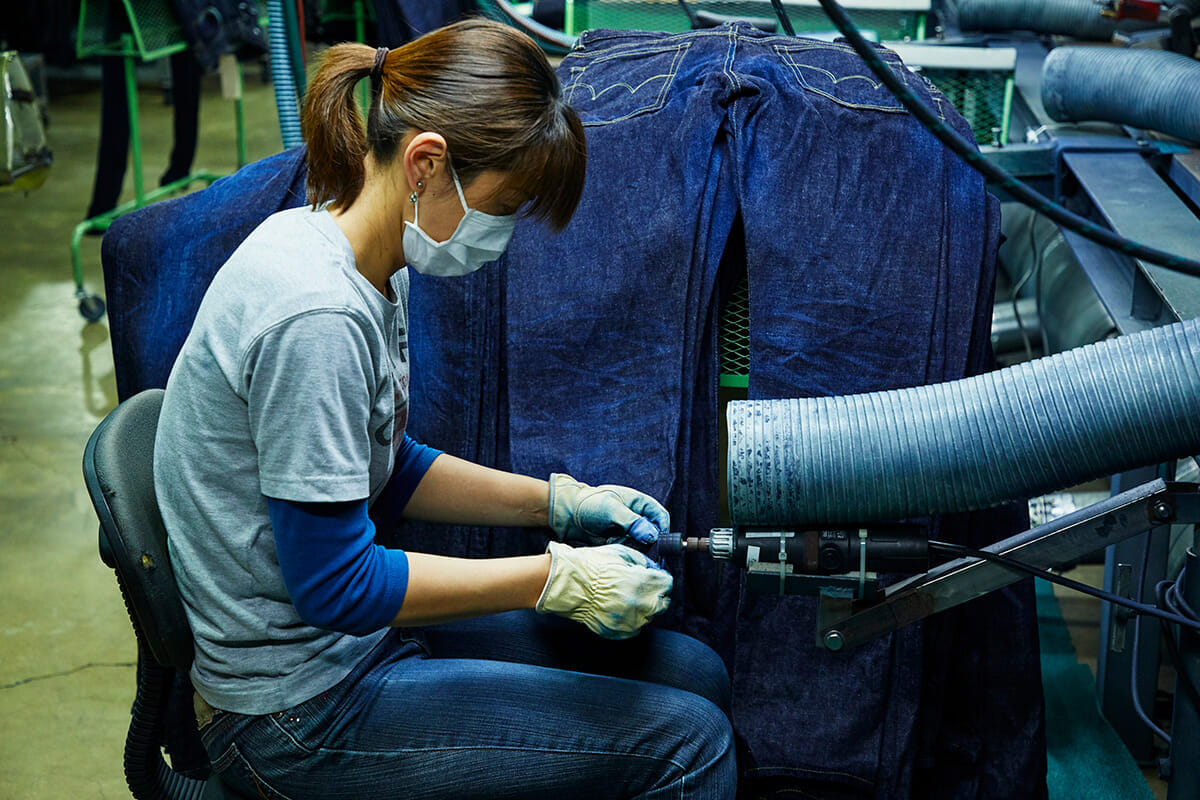
Adding shading to small details, such as the coin pocket, creates a more realistic look (first image). We apply thorough shading to areas where wear would naturally occur, such as the hem (second image).
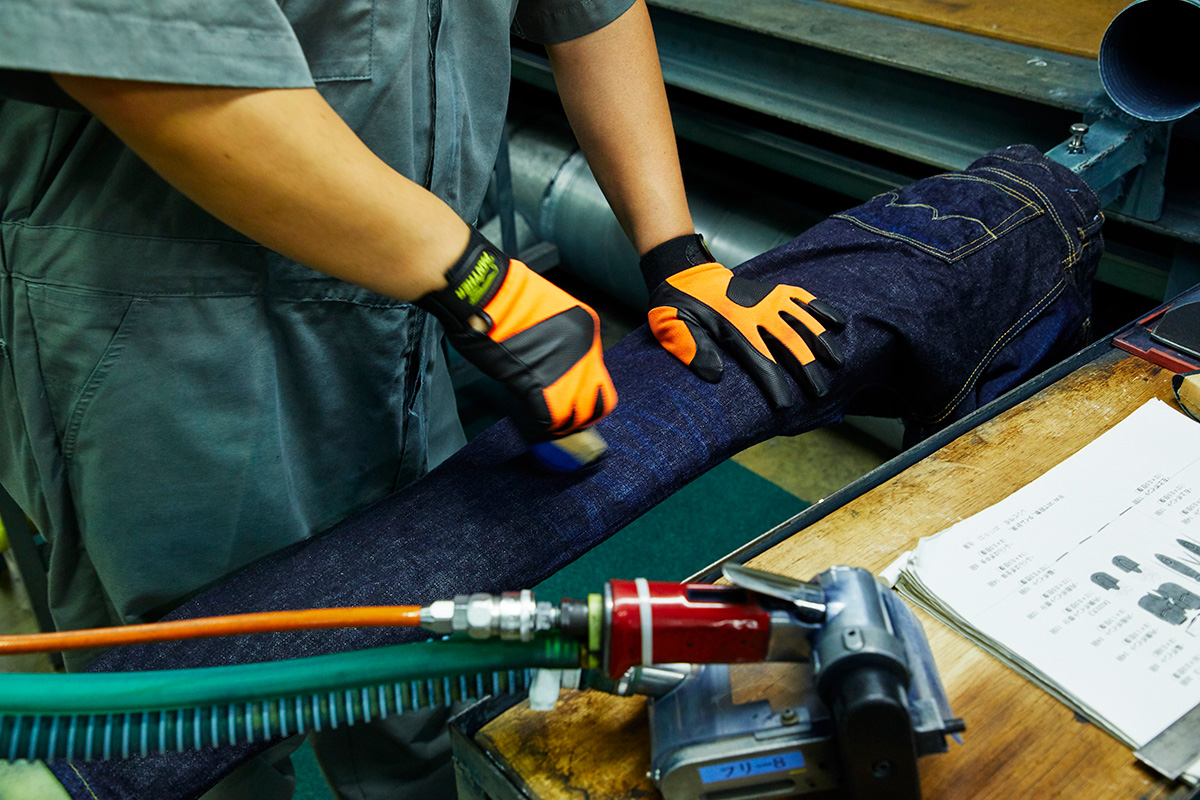
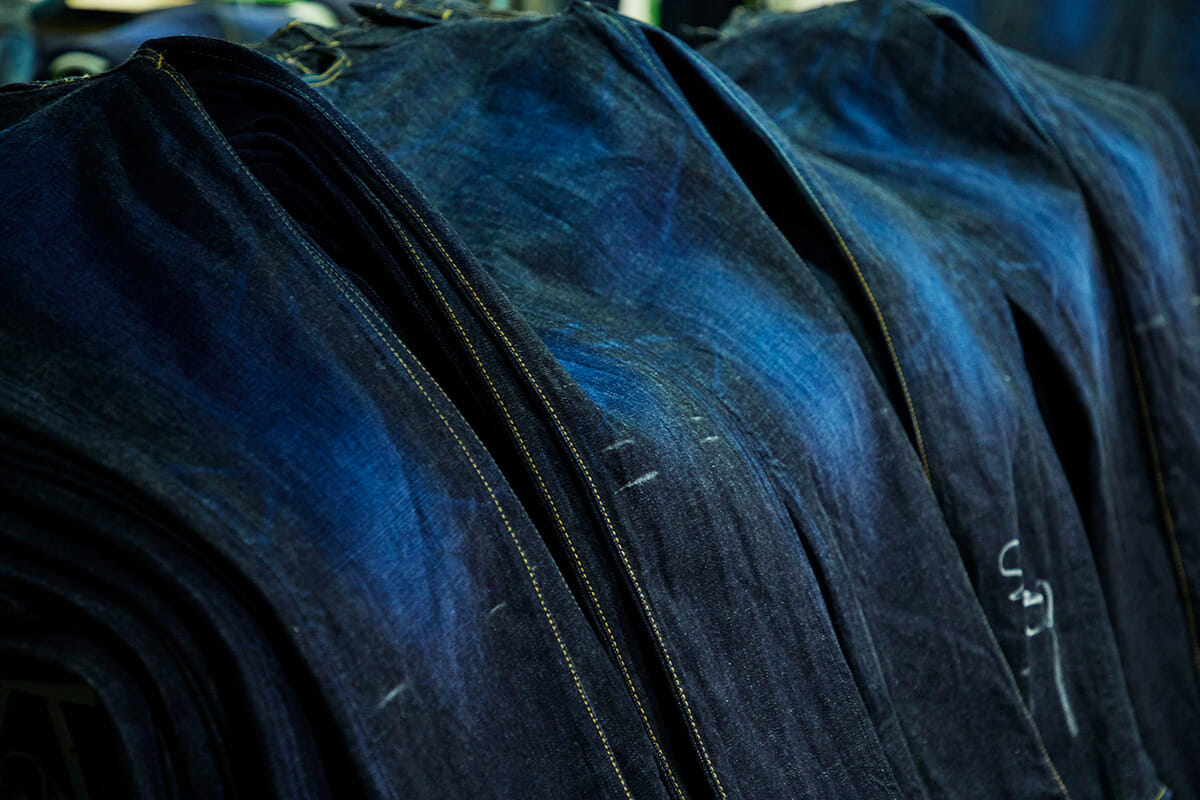
We also meticulously recreate by hand the intricate texture that appears along the creases on the back of the knee—commonly known as “hachinosu.” For this, we apply a specialized block and use a shaving tool.
Washing.
The Essence of Edwin! A Look at the Wash Processing Workshop.
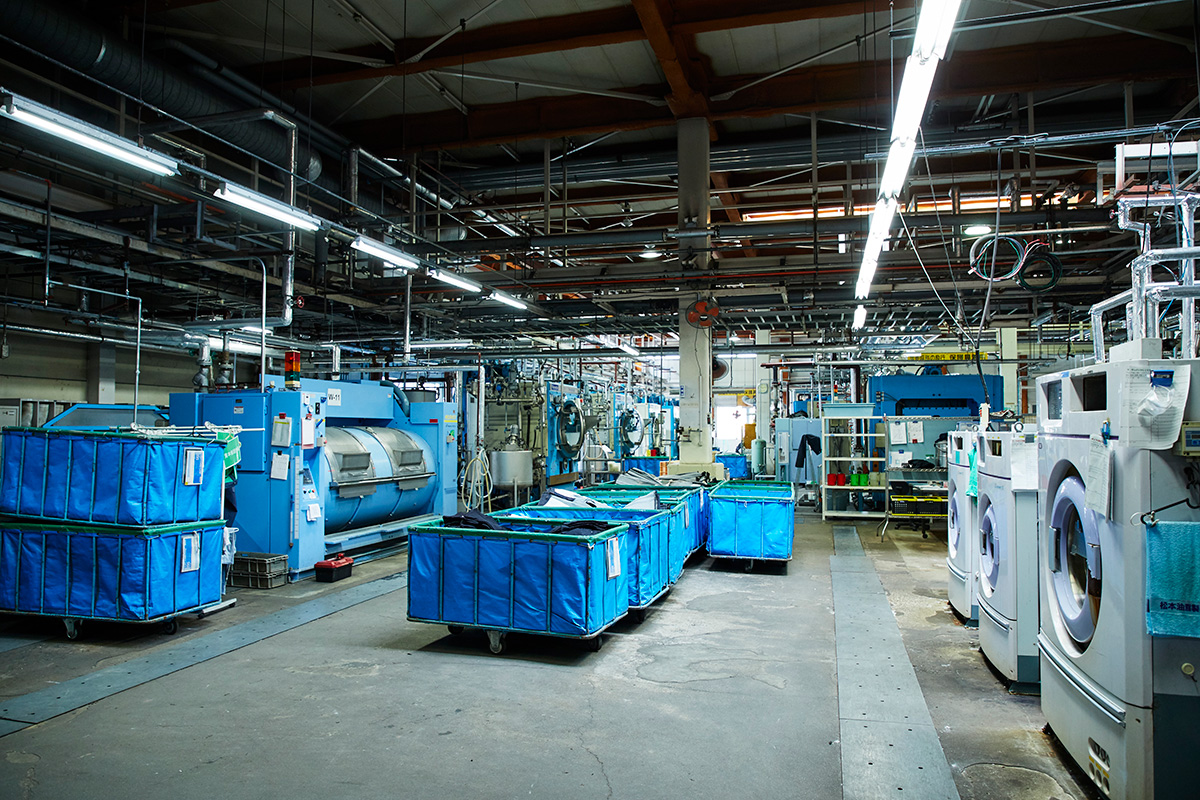
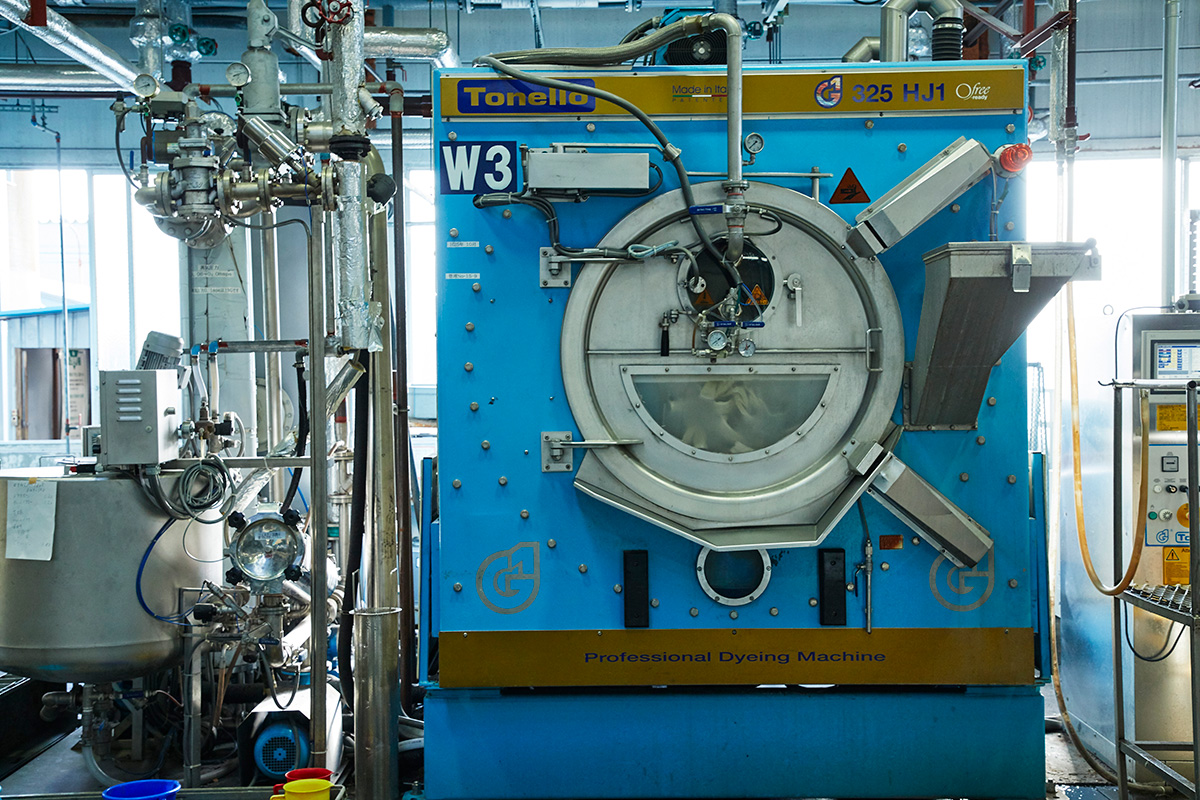
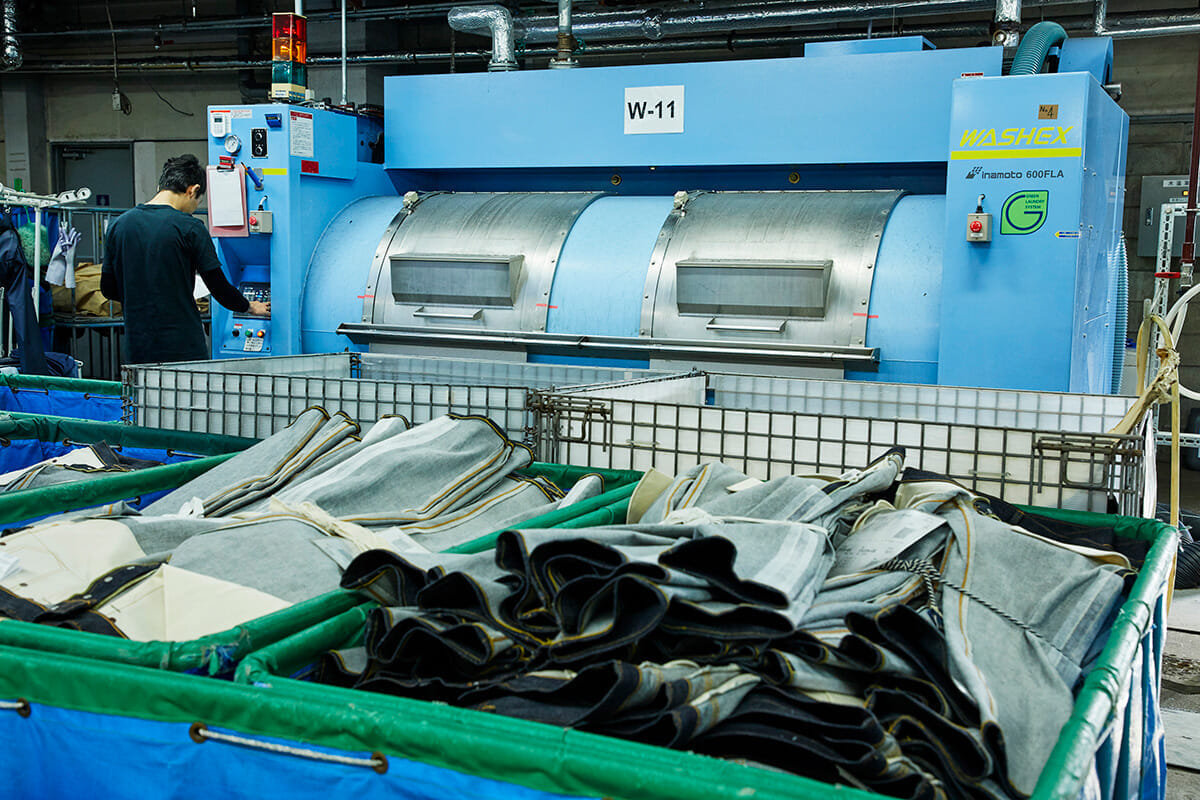
In 1963, shortly after launching its own line of jeans manufactured in Japan, developed the “one-wash” process to address issues such as stiffness, shrinkage, and color fading in jeans. This process went on to become the industry standard for jeans. Then, in 1975, the brand launched “OLD WASH,” a line of jeans featuring a vintage-inspired finish that recreated the look and feel of worn-in denim. Furthermore, in 1980, it developed the world’s first stone-washed jeans. 〈Edwin〉 has been at the forefront of global denim wash processing technology, continuously pioneering new ways to showcase the appeal of jeans. Let’s take a look inside one of 〈Edwin〉’s wash processing facilities.
At the washing facility, in addition to the standard “one-wash” process—which is used to achieve a specific texture and softness—we perform a variety of other washing treatments.
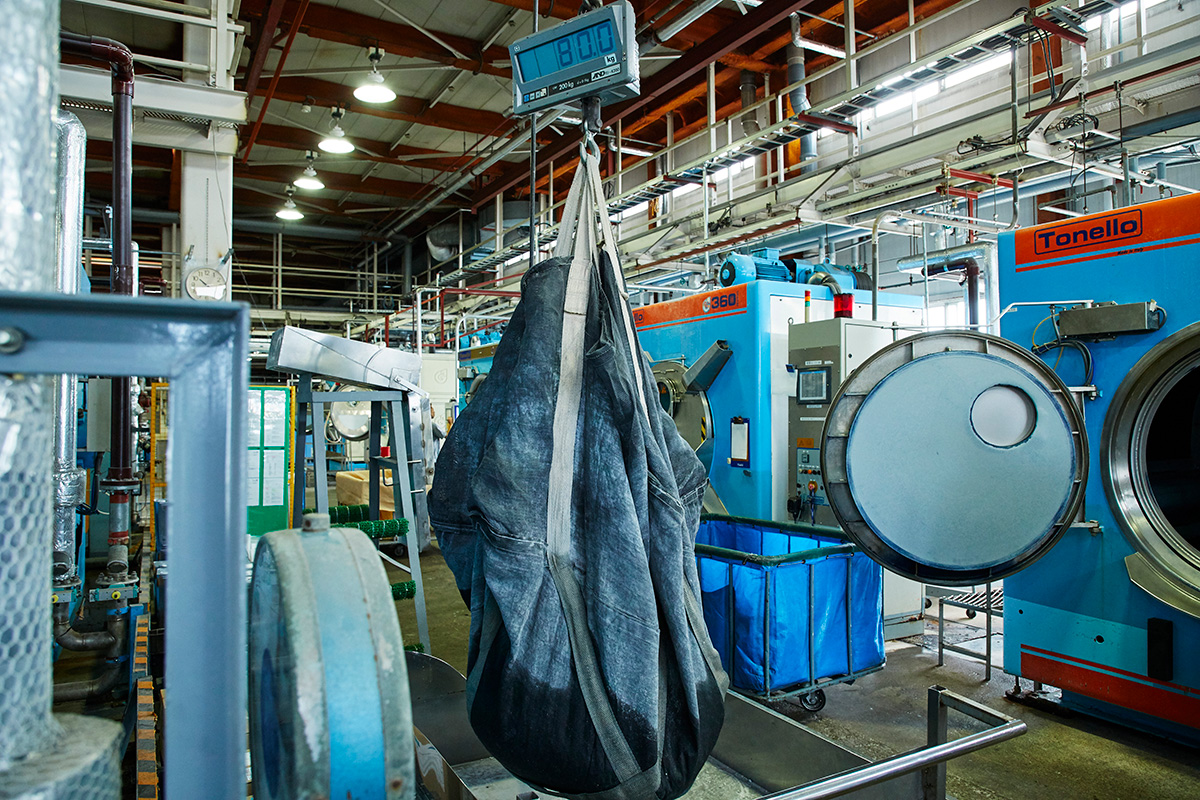
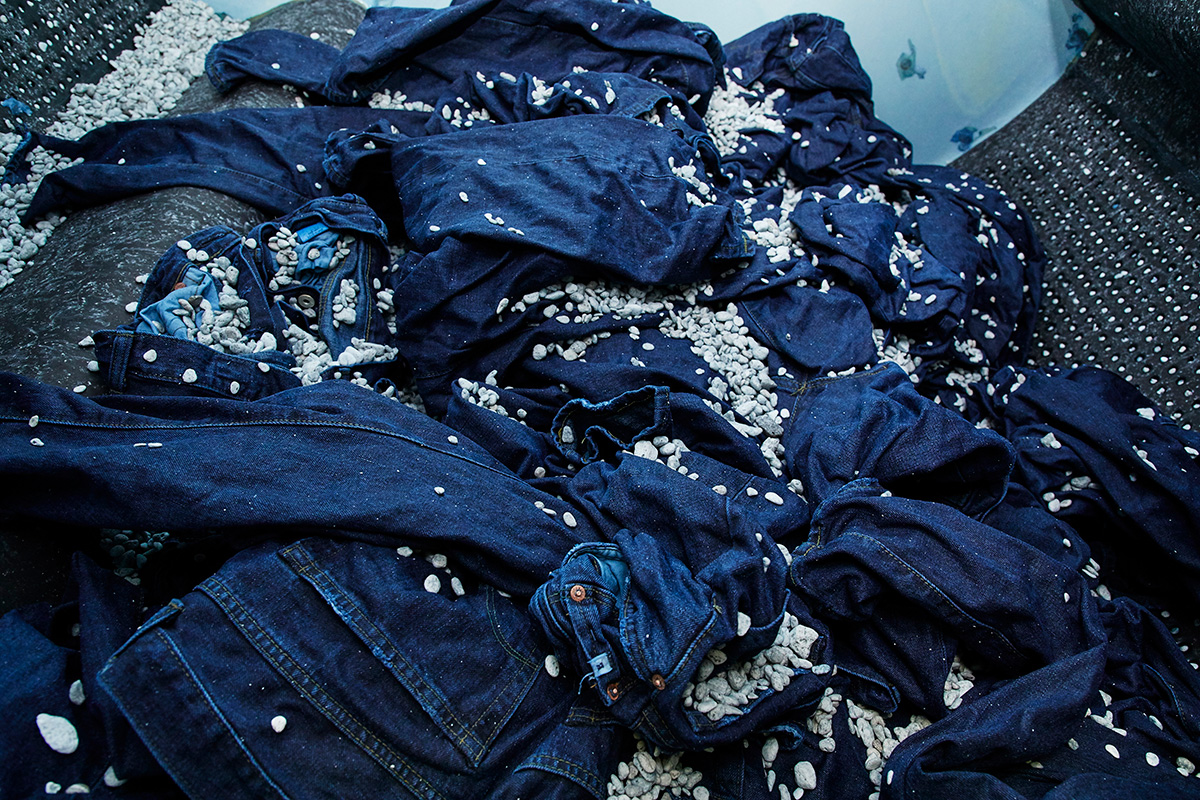
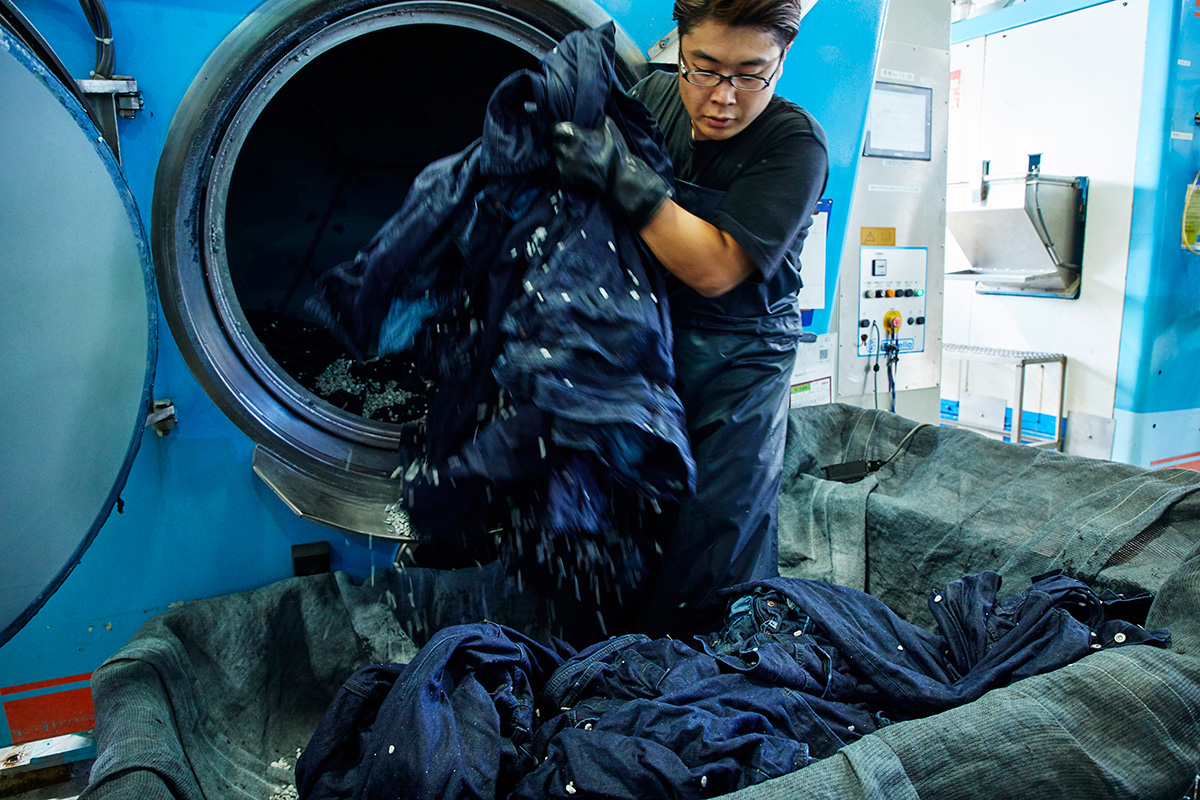
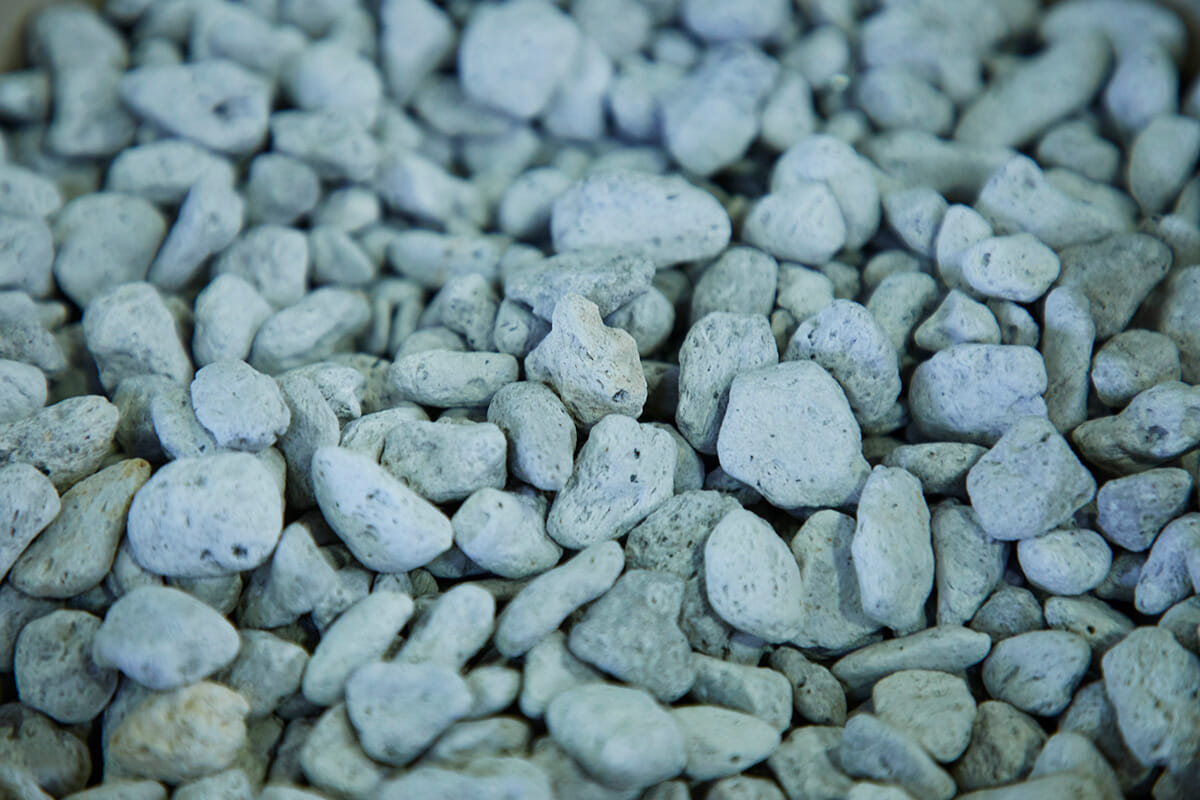
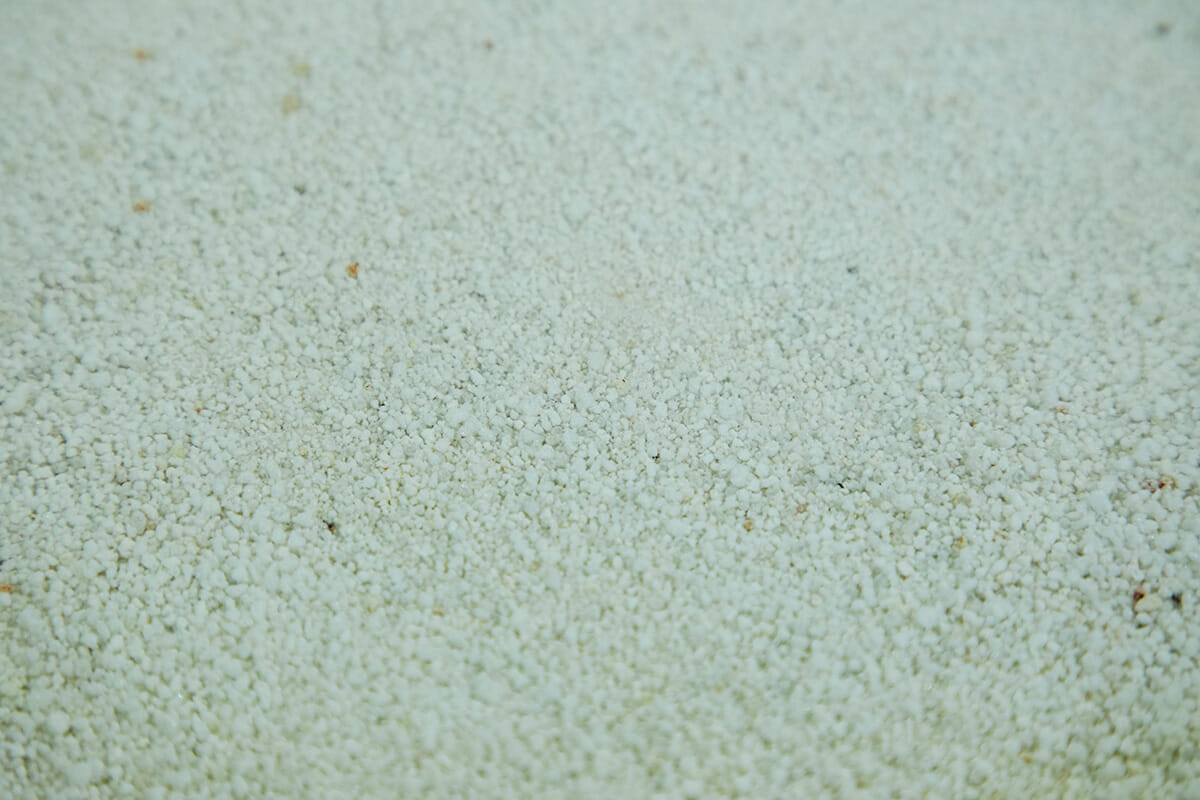
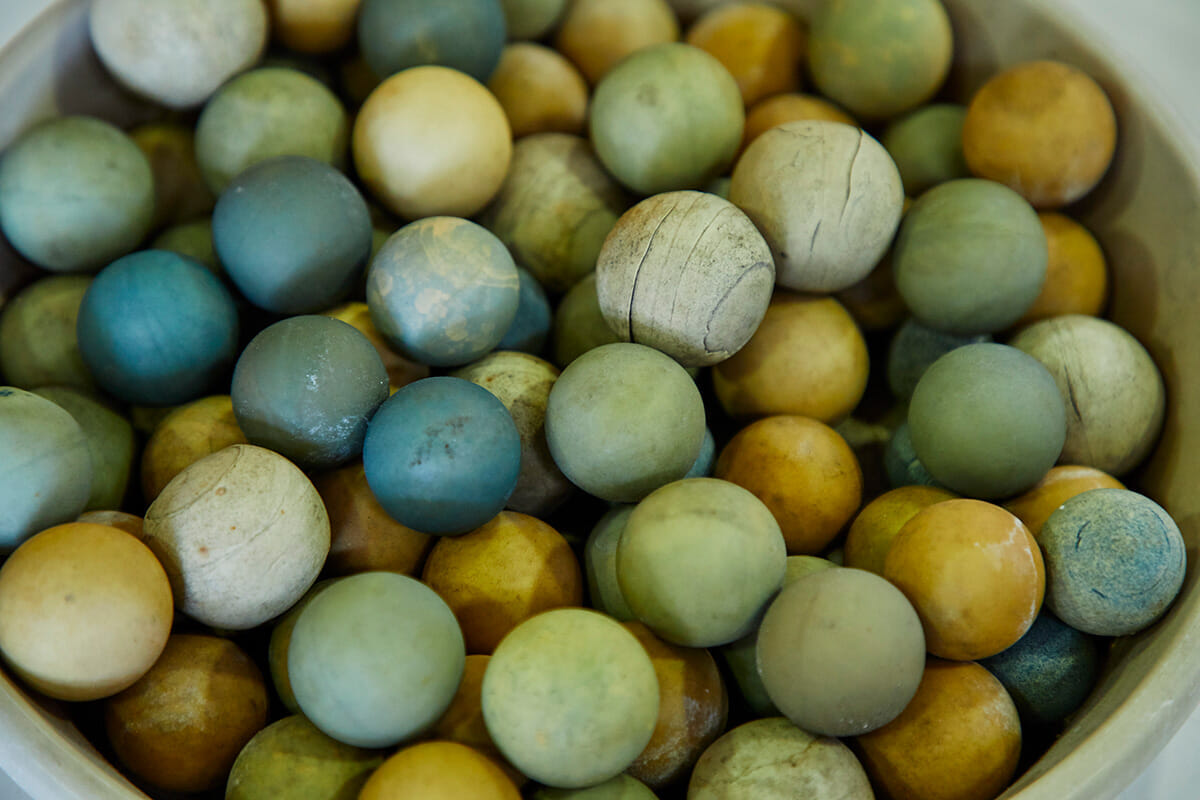
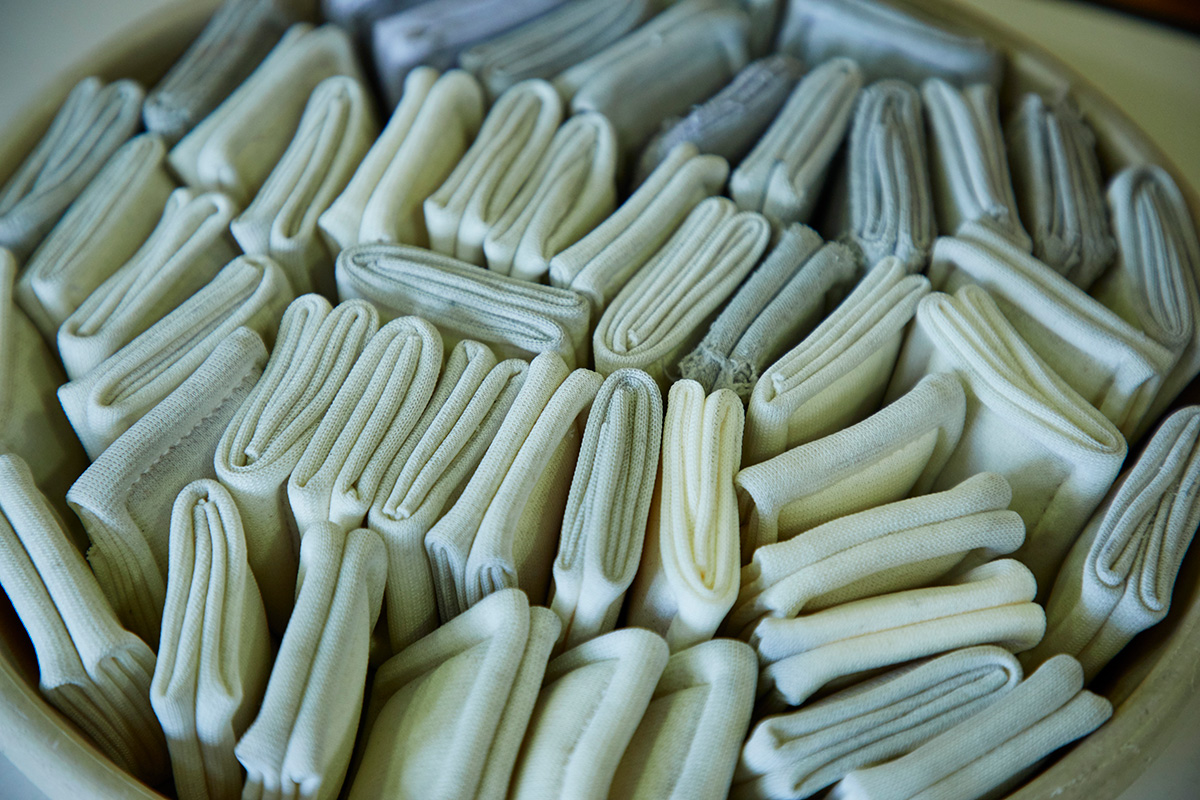
Before placing the jeans into the mixing machine for washing, they are weighed to check if they are the correct weight (first pair). They are then washed together with pumice. The machine’s operating time and temperature vary depending on the processing method and intensity. The specific processing method, as well as the temperature and duration of the wash cycle, are carefully determined through sample processing using test machines. Once the wash is complete, the jeans are removed from the mixing machine, the pumice is shaken off, and they are then transported to the dryer (Photos 2 and 3).
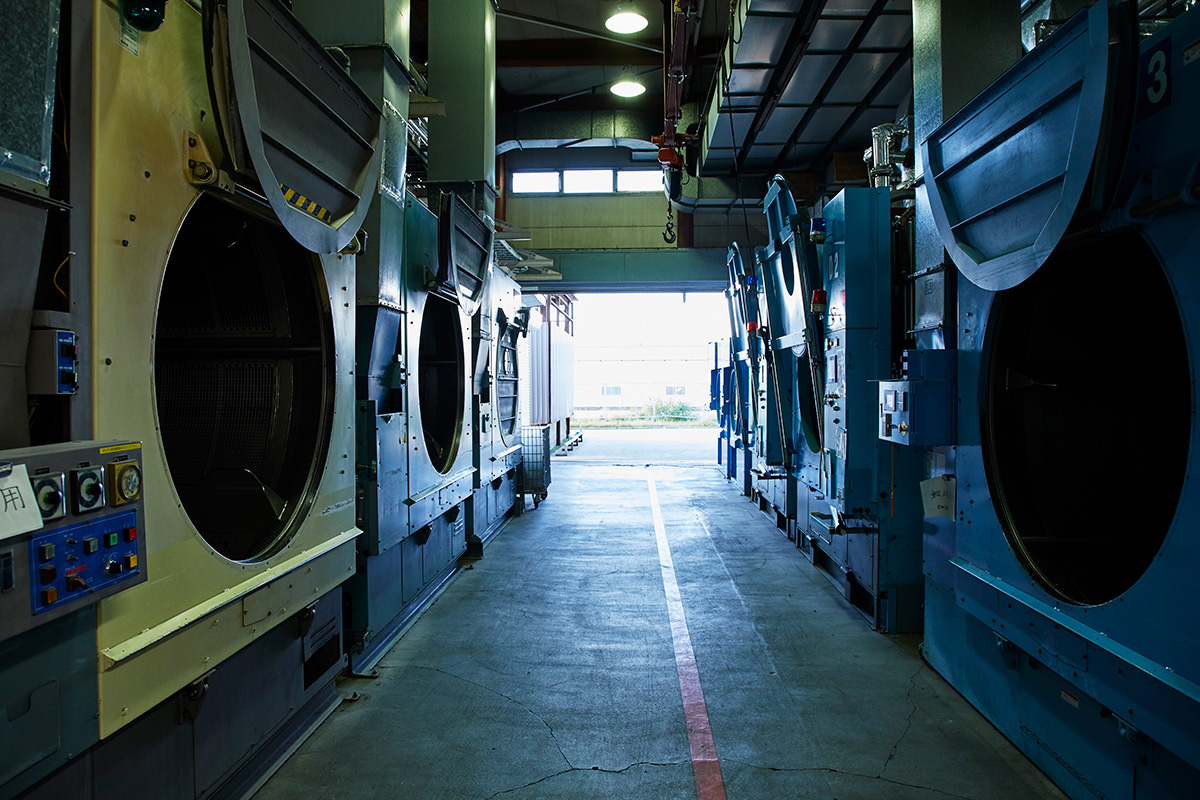
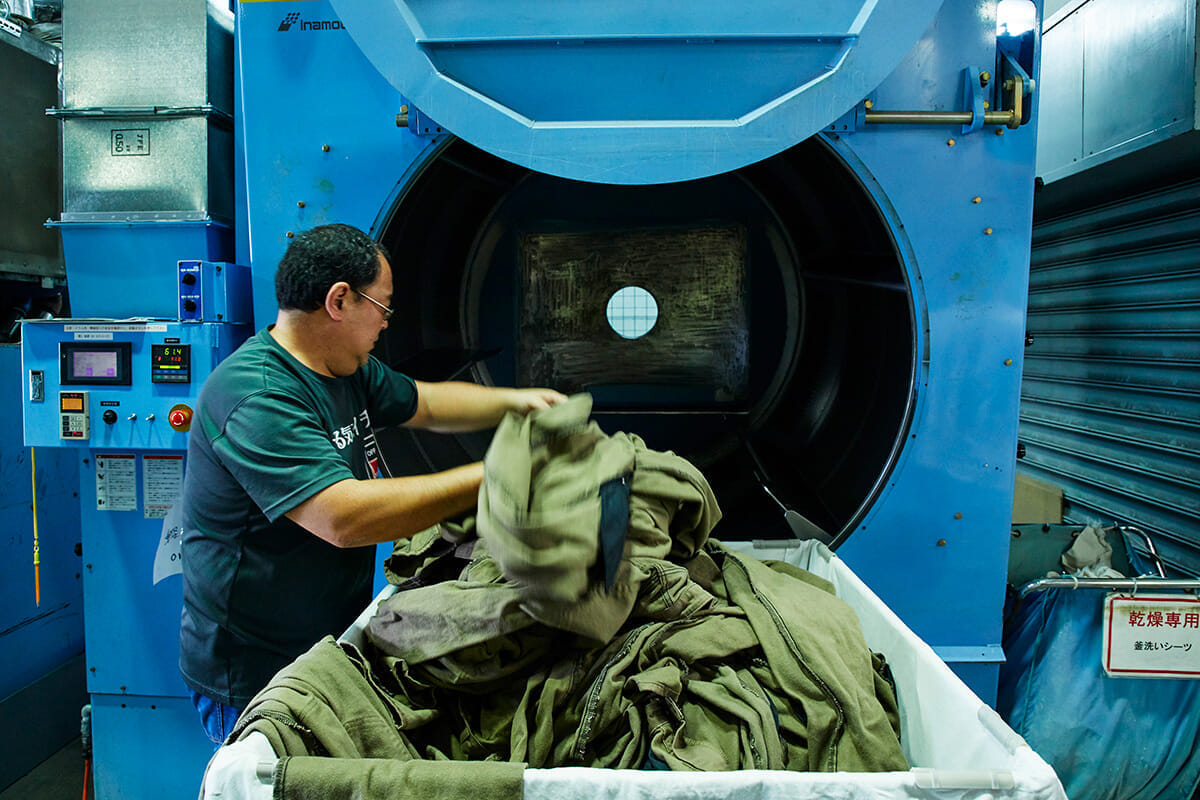
The jeans, still wet from washing, are transported to a giant dryer. The drying temperature and time vary depending on the fabric and size.
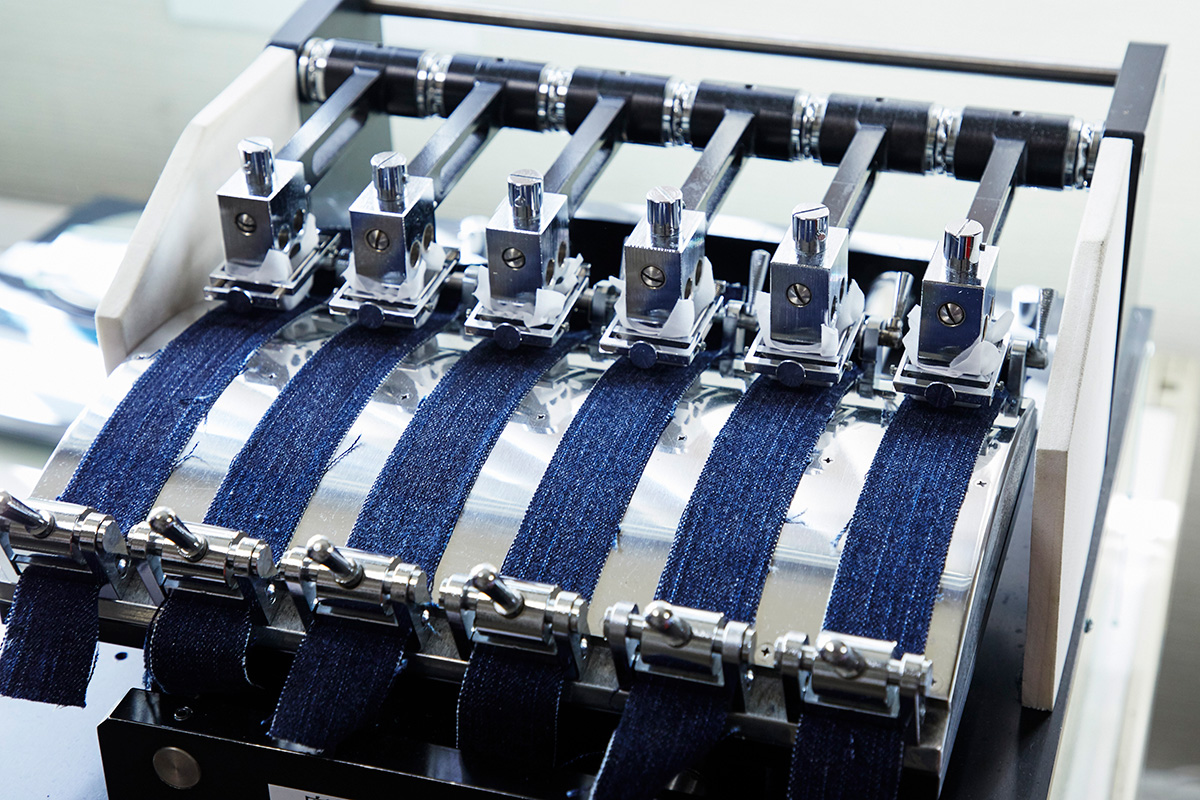
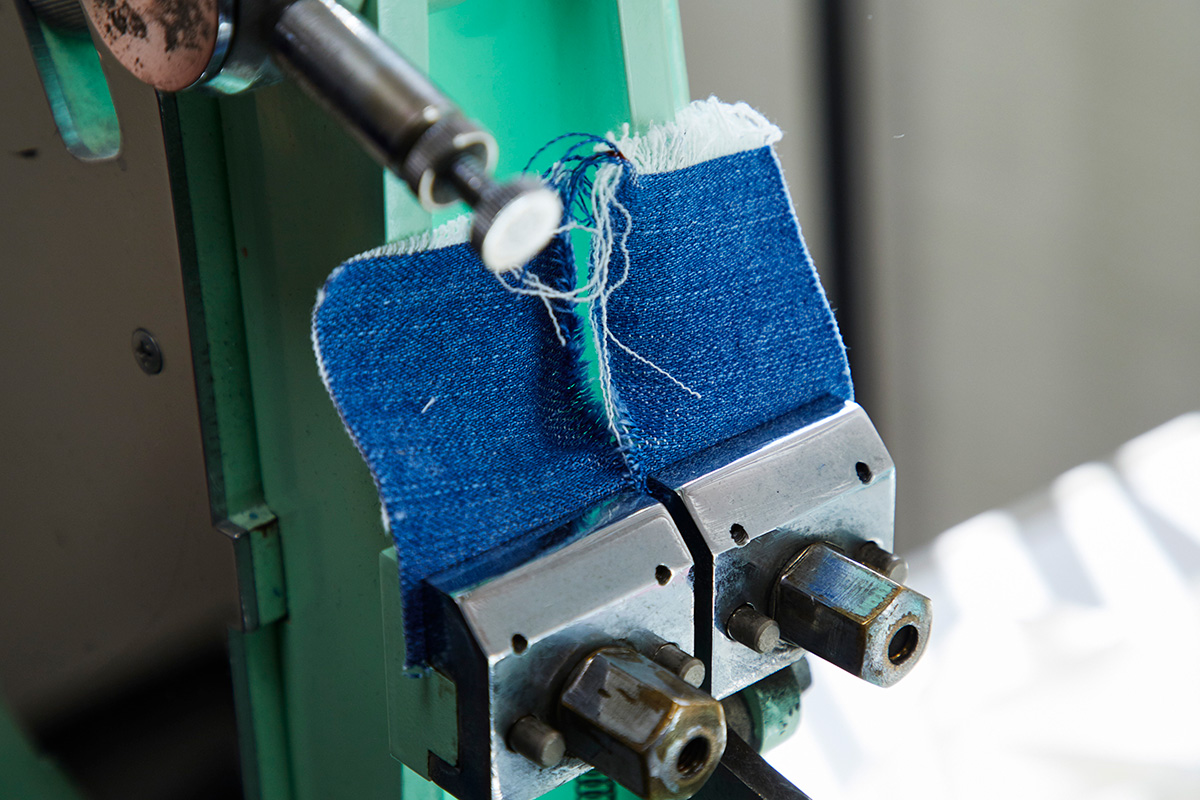
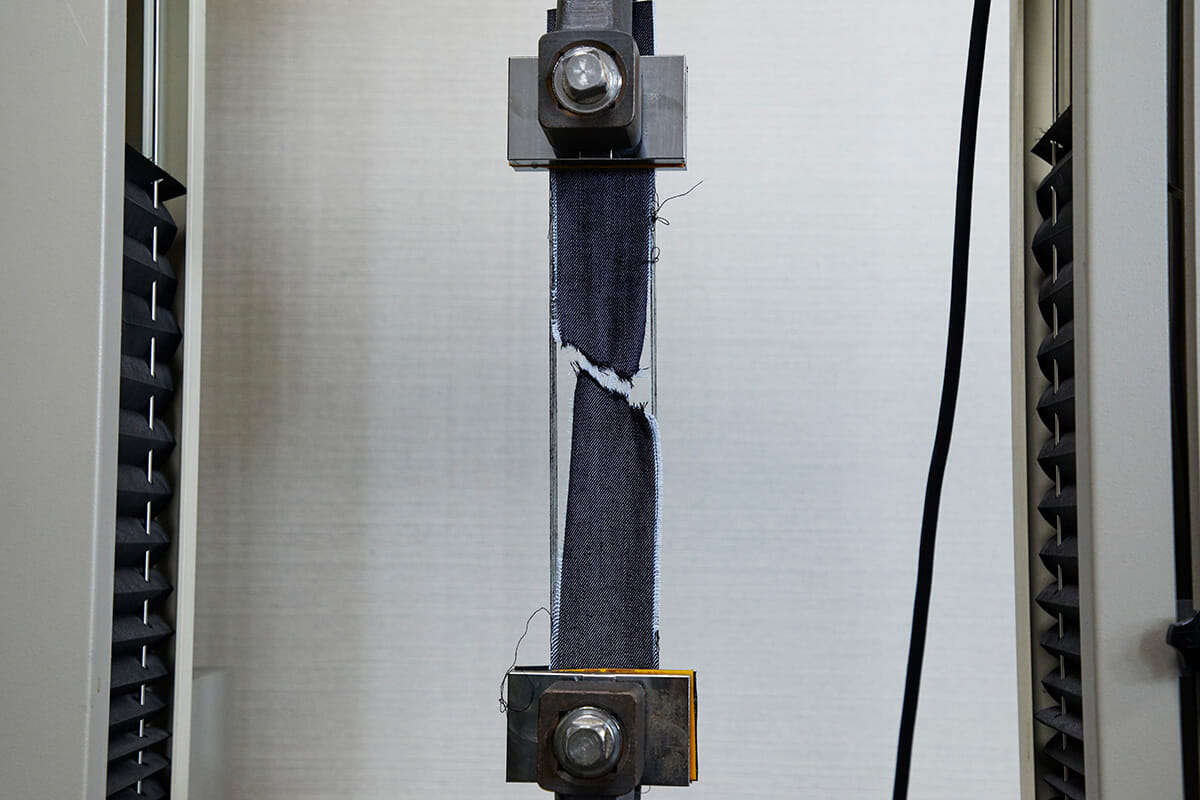
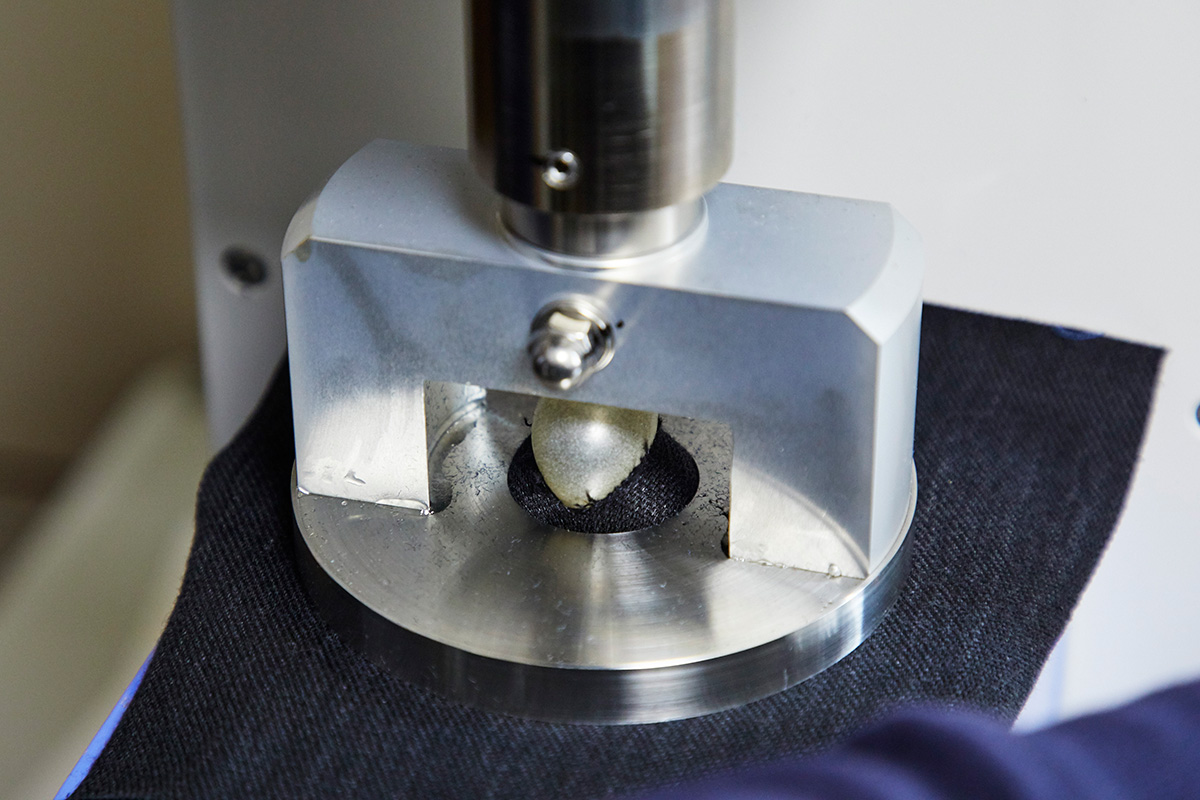
The strength of denim fabric changes as a result of processing. One of the key roles of “Jeans M.C.D.” is to inspect whether the fabric has the appropriate strength for a finished product. Only fabrics that pass a variety of tests—such as a test that involves repeatedly rubbing the fabric’s surface to assess the degree of color fading (top left), a tear strength test (top right), a tensile strength test (bottom left), and a burst strength test (bottom right)—are used in our products.
Wastewater Treatment.
Manufacturing that thoroughly prioritizes environmental considerations.
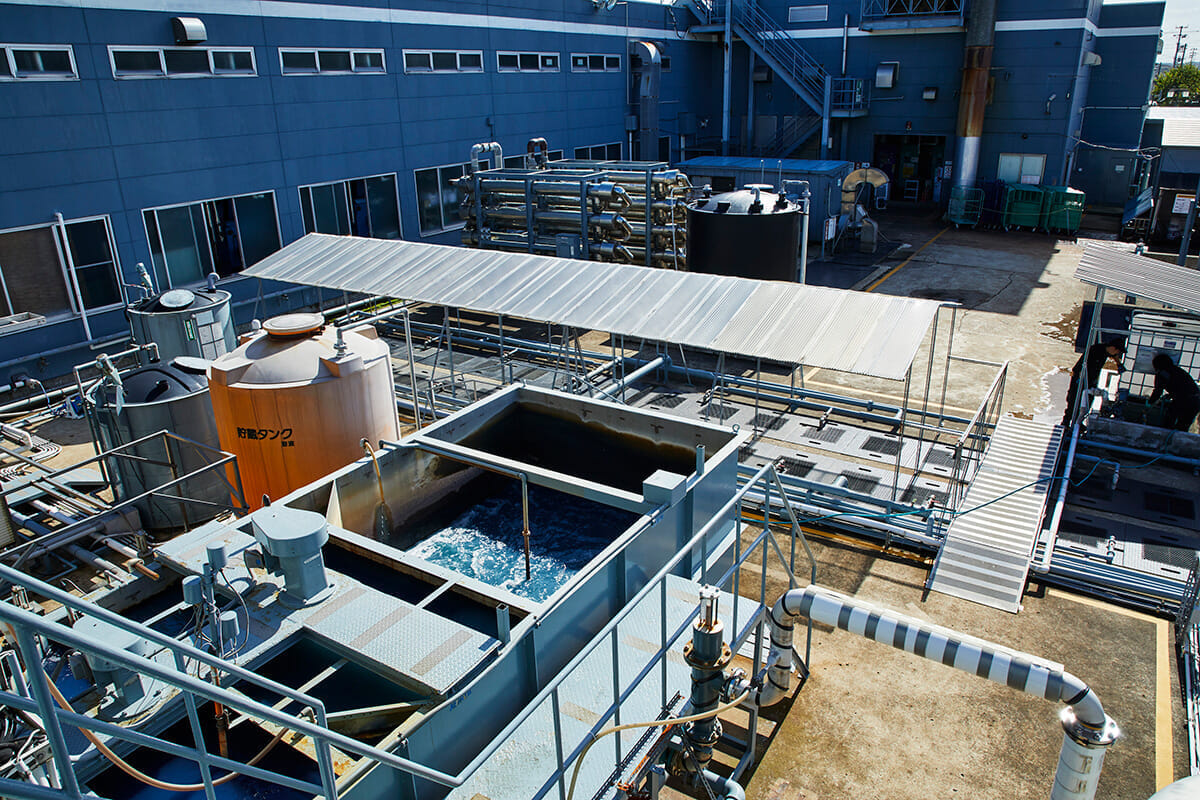
Water is used in the washing process for jeans. Naturally, using water in this process generates wastewater containing indigo dye. To ensure this wastewater does not harm the environment, has installed a state-of-the-art wastewater treatment facility within its factory and is committed to purifying it. Continuing to produce high-quality products without harming the environment—that is the mission of , a leading manufacturer of jeans.
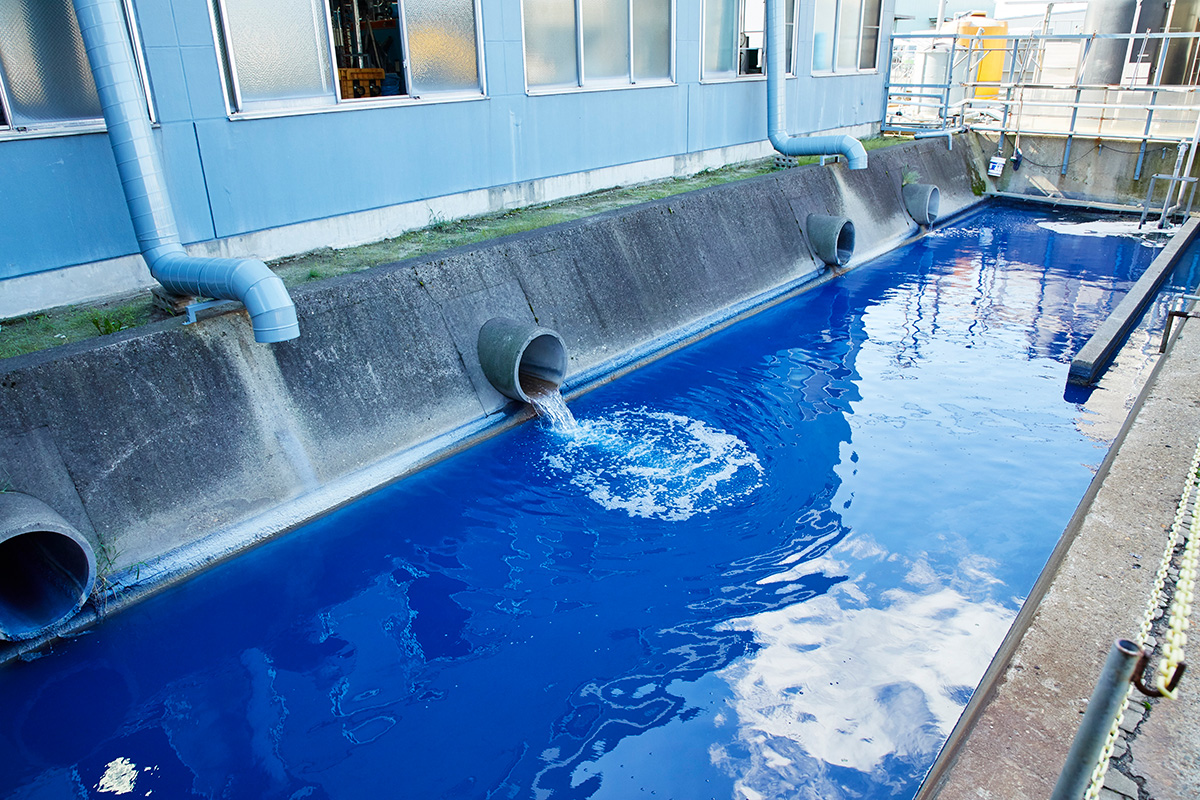
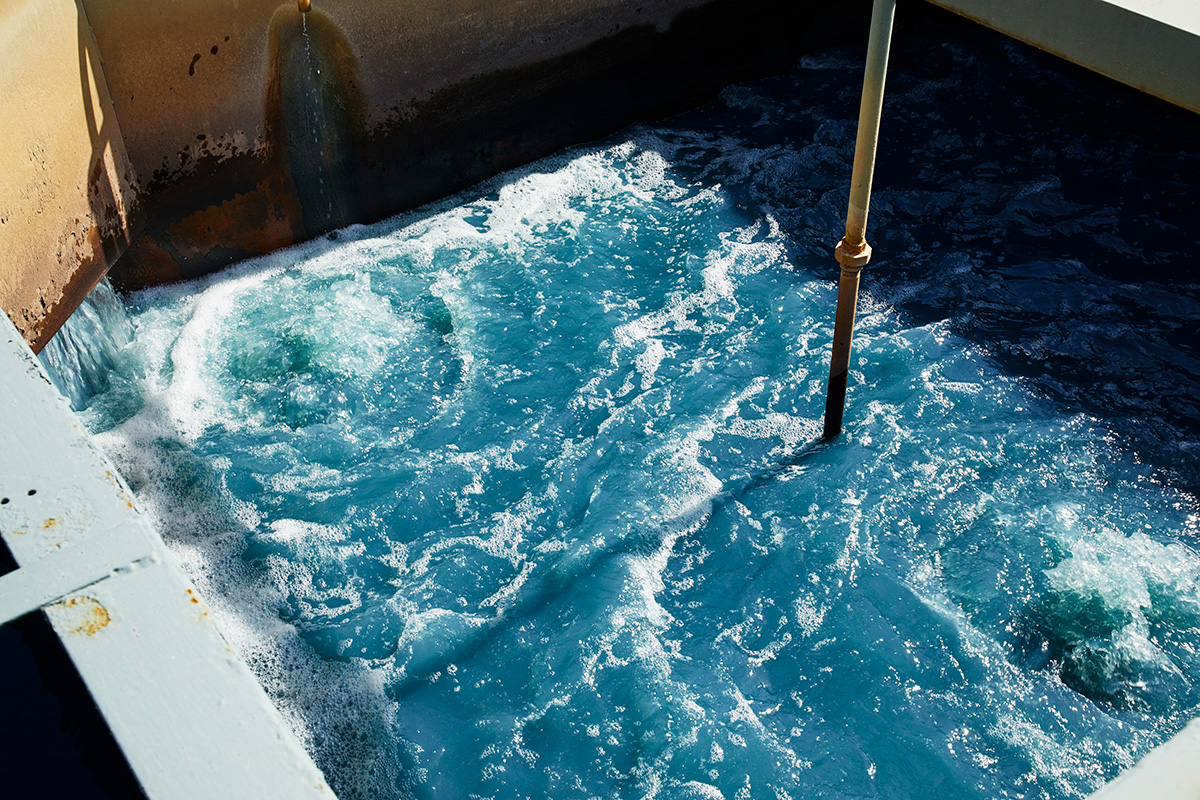
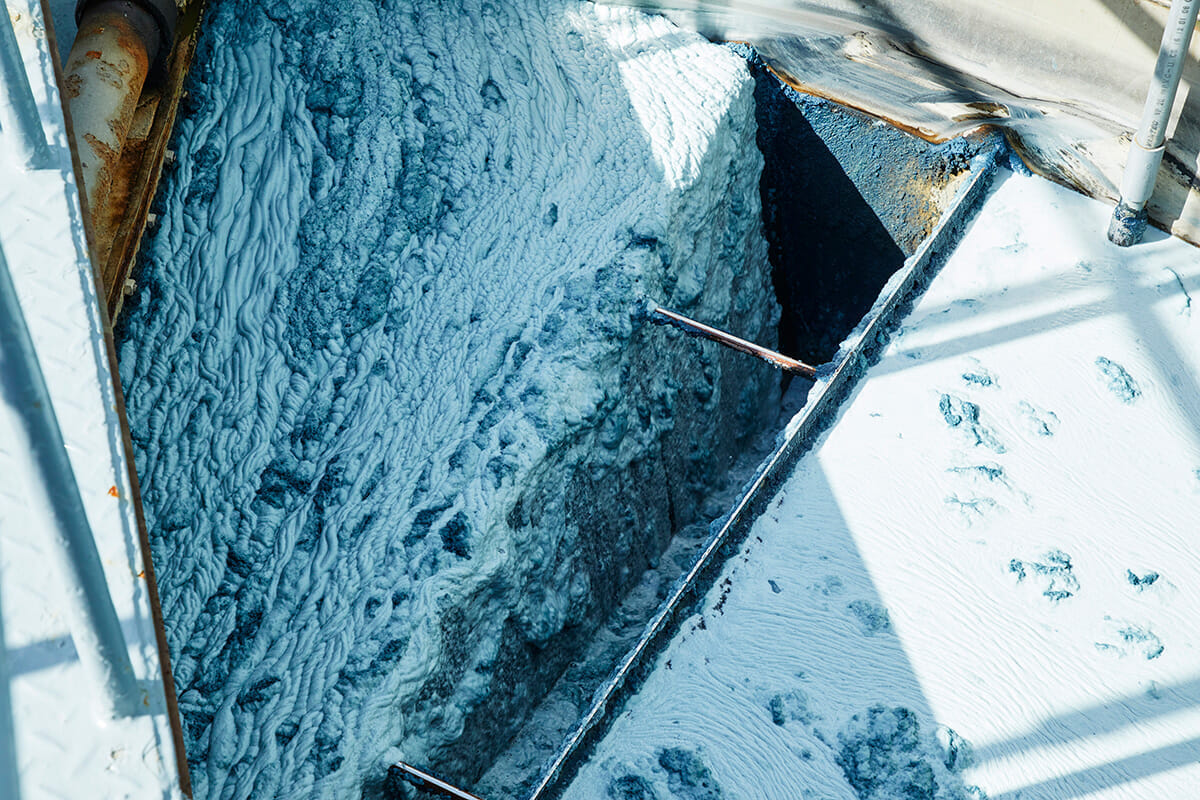
Wastewater from the factory is first stored in a pool. As you can see, the wastewater is bright blue due to the indigo dye (first photo). pH adjusters and decolorizing agents are added to this wastewater, and microbial treatment is carried out while oxygen and nutrients are introduced. The entire process takes about two hours. I’m told they’ve been treating the wastewater under these same conditions for the 30 years since the factory was built.
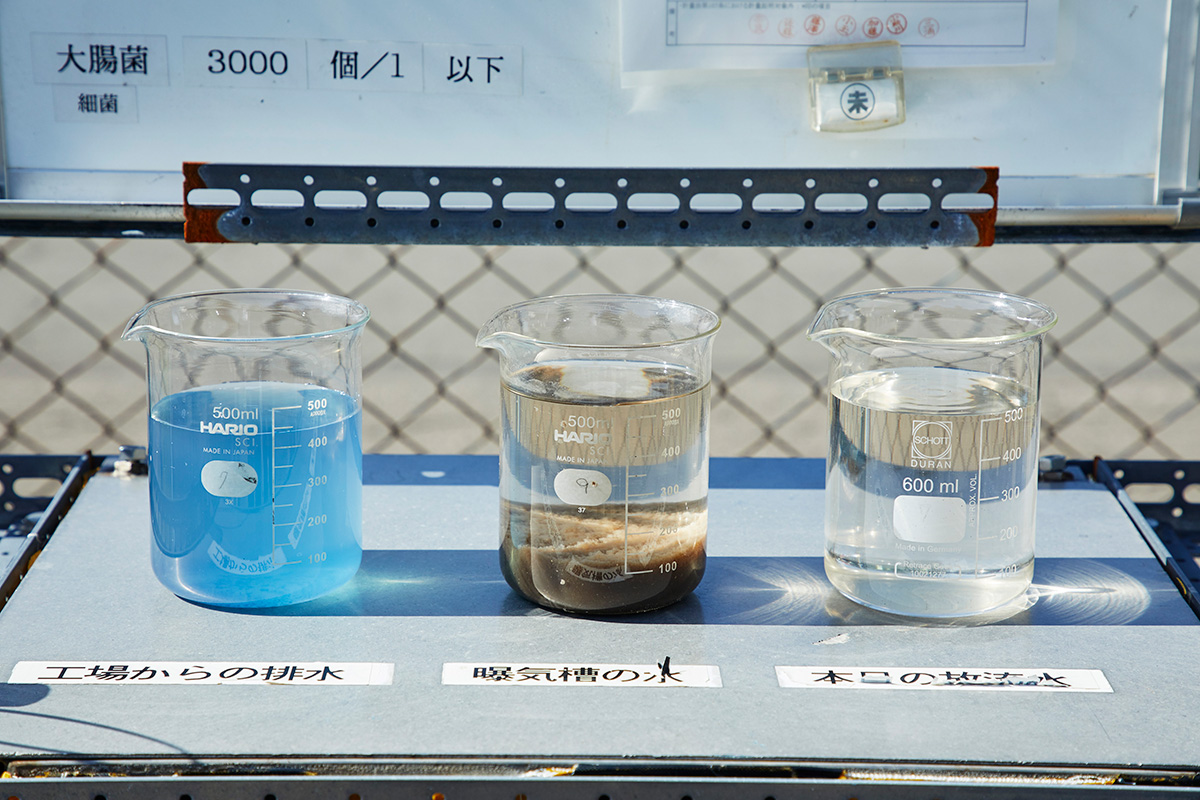
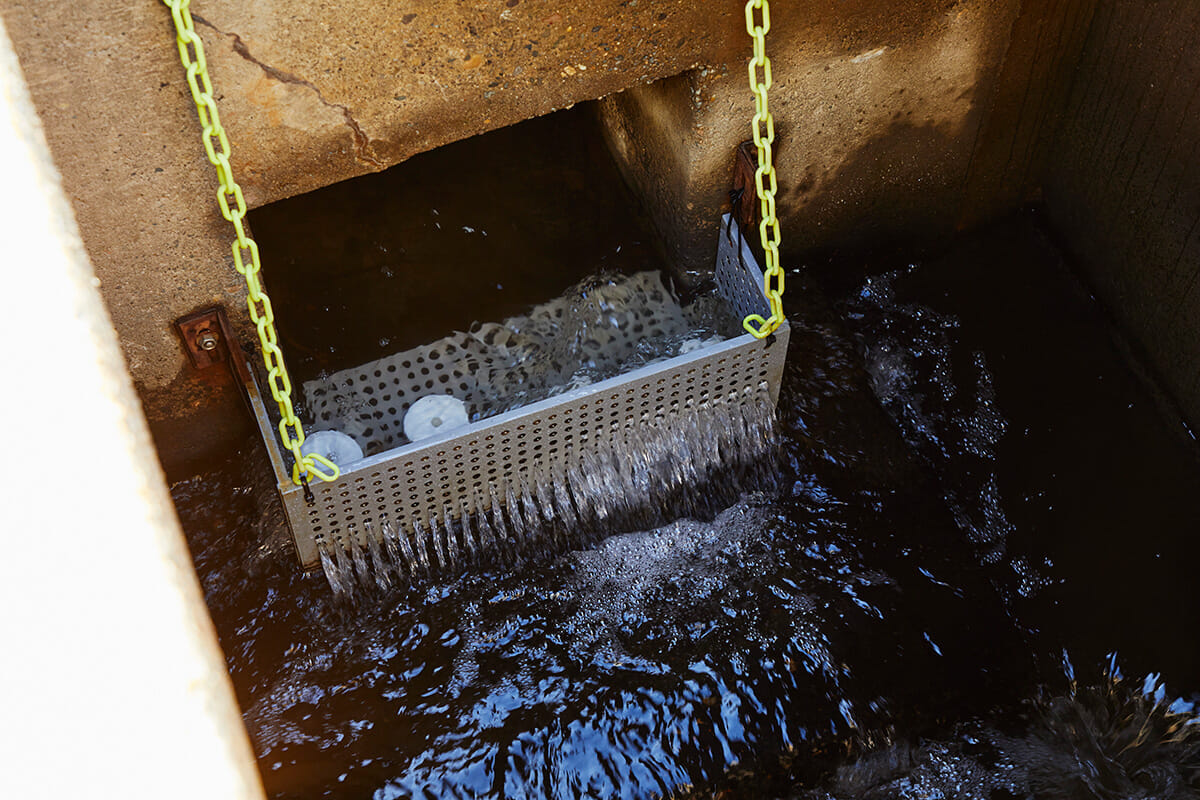
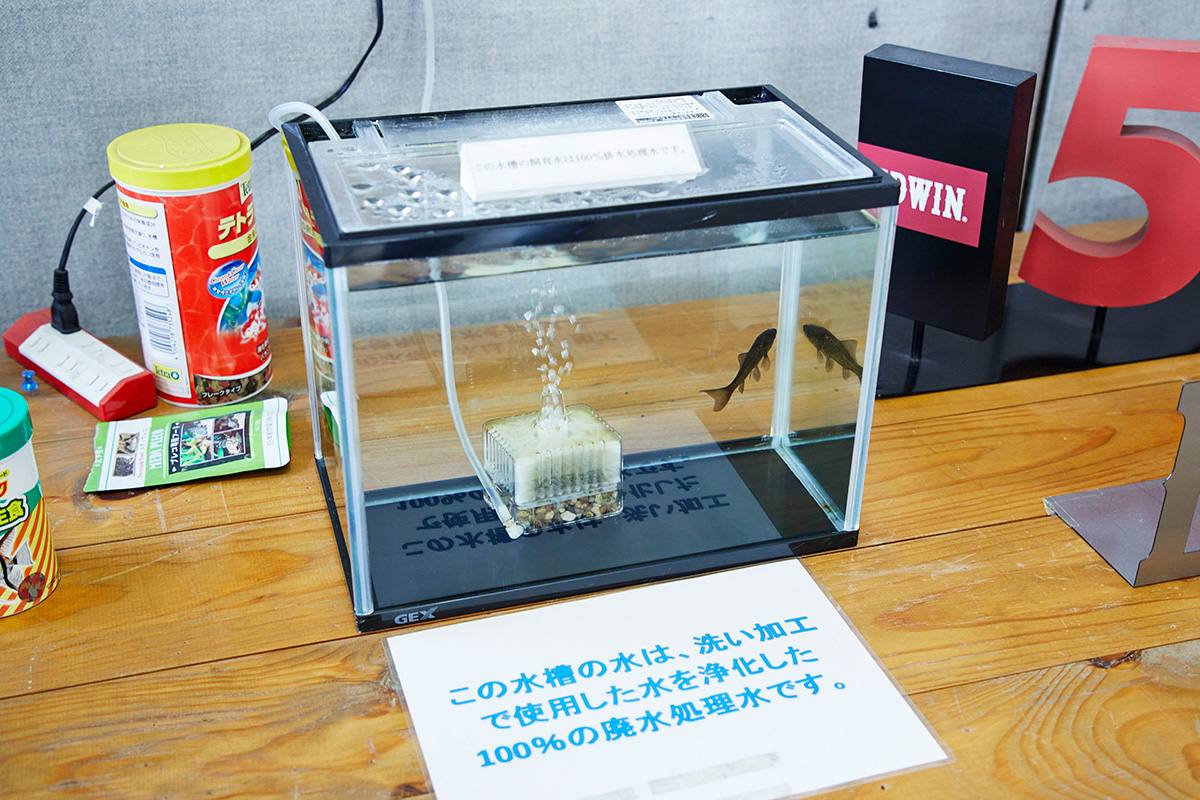
The effluent meets all prefectural regulations regarding pH, suspended solids, BOD (biochemical oxygen demand: an indicator used to measure water pollution), and coliform bacteria counts. In particular, regarding BOD, while the national standard is 120 mg/L, Akita Prefecture has set a stricter standard of 60 mg/L. Thanks to these efforts, the wastewater is discharged into the ocean in a state clean enough for fish to survive.
Conclusion.
After undergoing numerous production steps, the finished jeans are delivered to the customer.
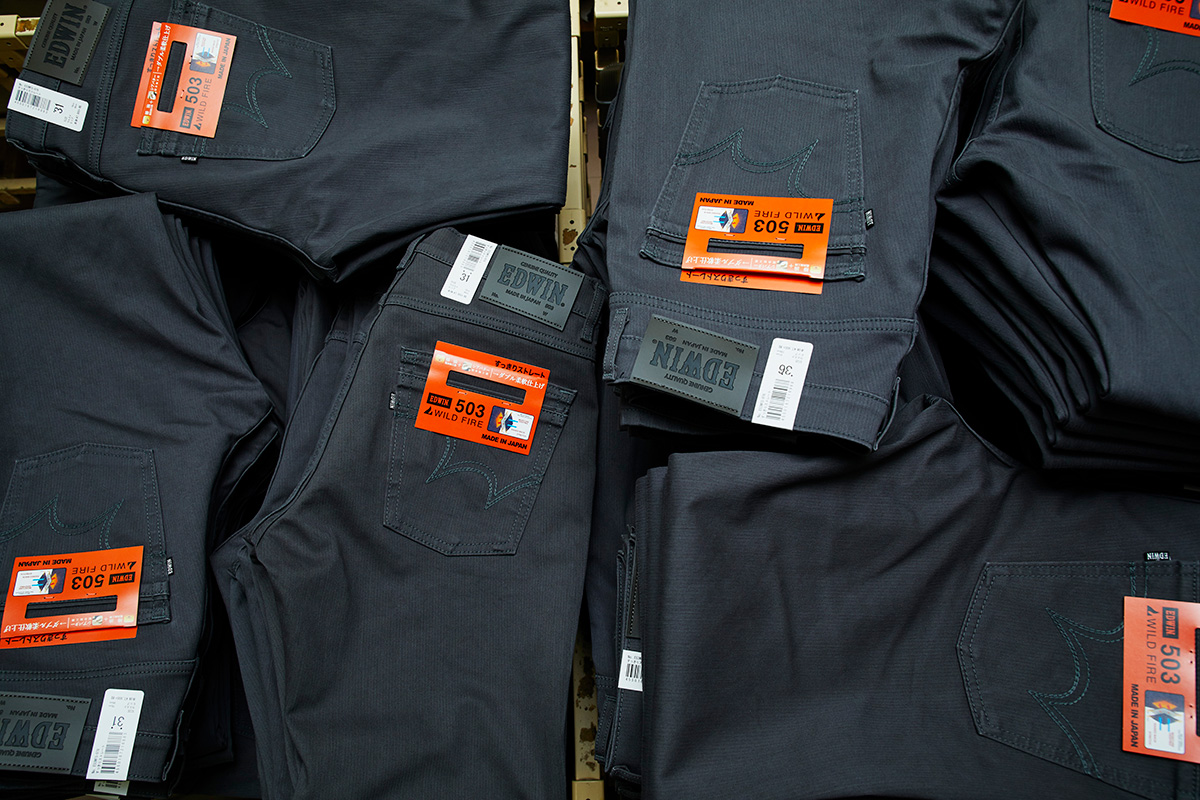
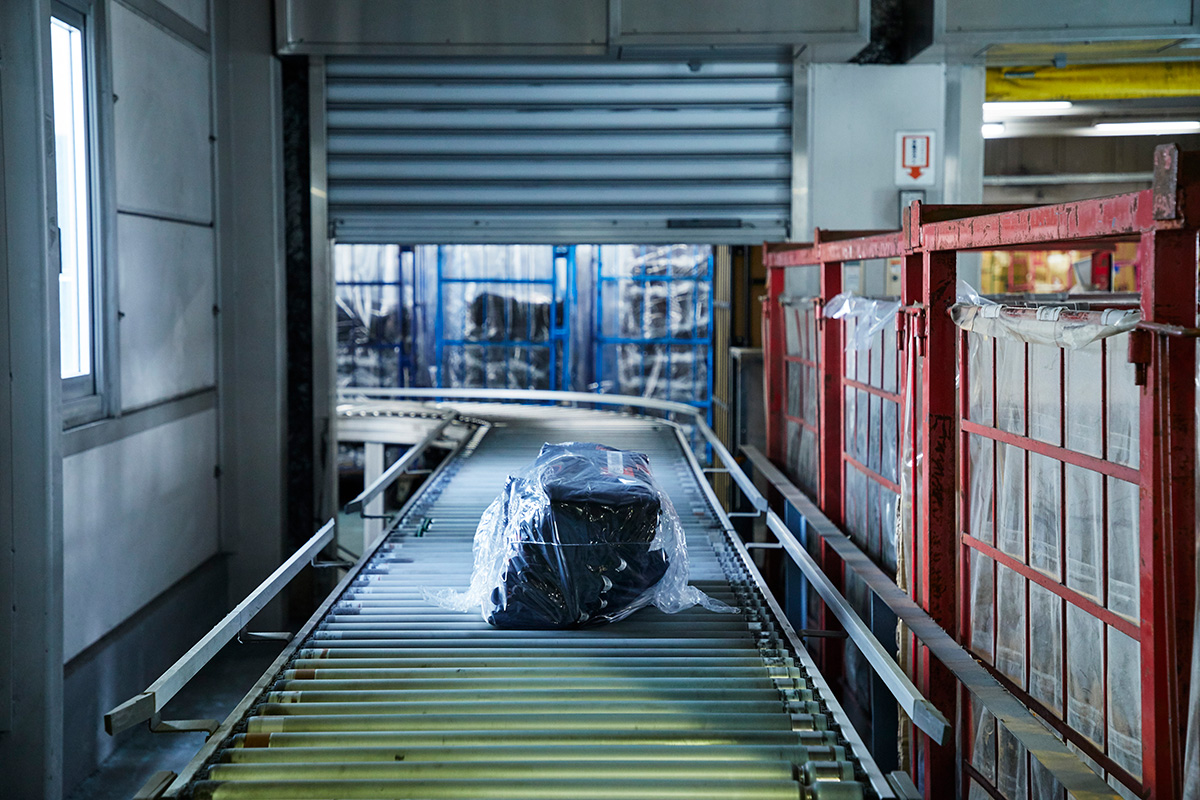
Once the jeans have finished drying, they are inspected, then fitted with hangers and product tags before being shipped nationwide ready for display in stores. As we’ve seen so far, it takes numerous steps—cutting, sewing, and finishing—before a single pair of jeans is finally complete. Throughout this process, there is absolutely no compromise on quality. The skilled craftsmanship of our staff in Akita, combined with our strict quality standards, is what underpins EDWIN’s pride in being “Made in Japan.” Take a moment to look closely at your favorite pair of EDWIN jeans—or those on store shelves—and you’ll surely feel the passion EDWIN puts into its craftsmanship.
