
PROFILE
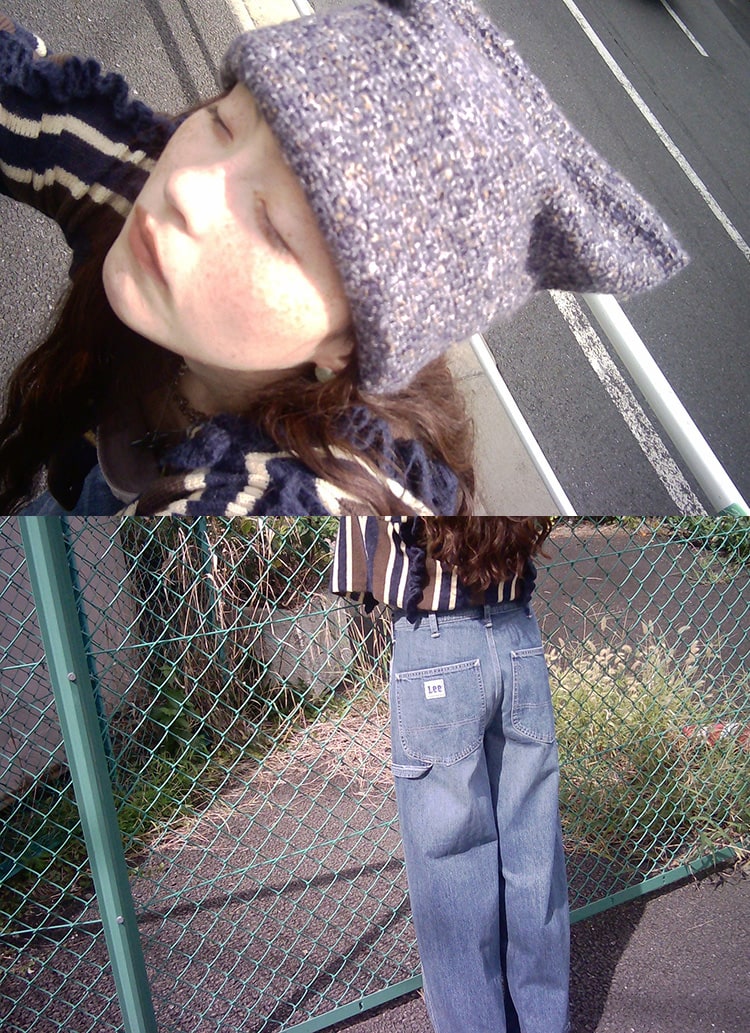
After working as a clothing sales associate, she enrolled at the Vantan Design Institute. While still a student, she organized pop-up shops and exhibitions, and in 2020, she launched her own brand, *refomed*. In 2026, she began serving as a creative director for *Russell Athletic*.
PROFILE
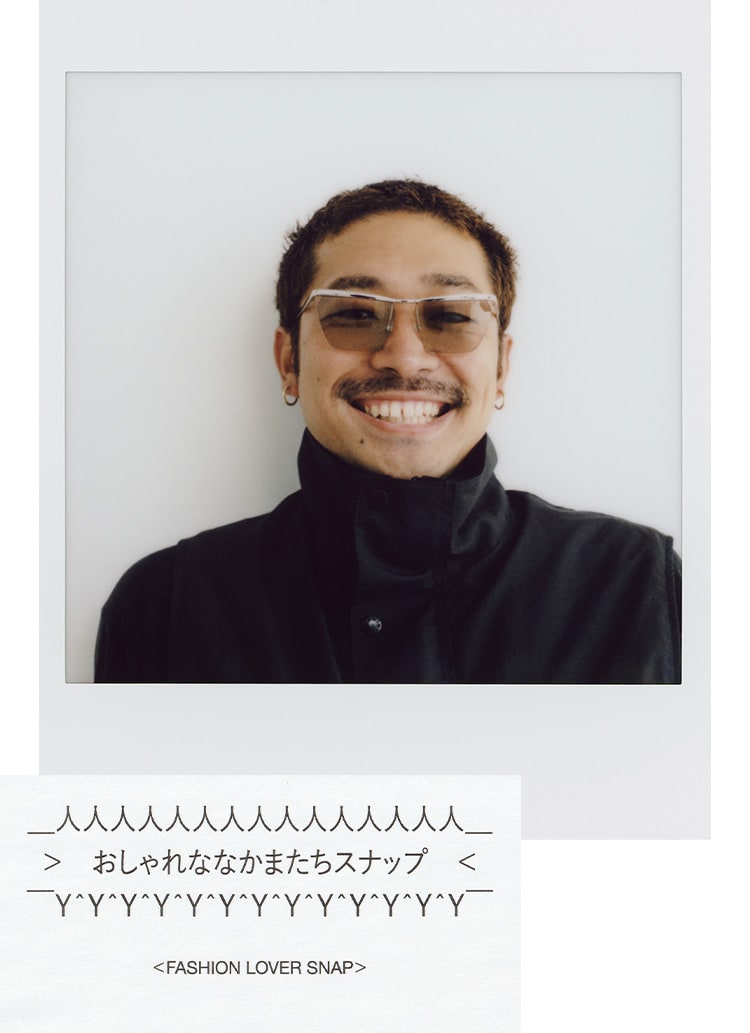
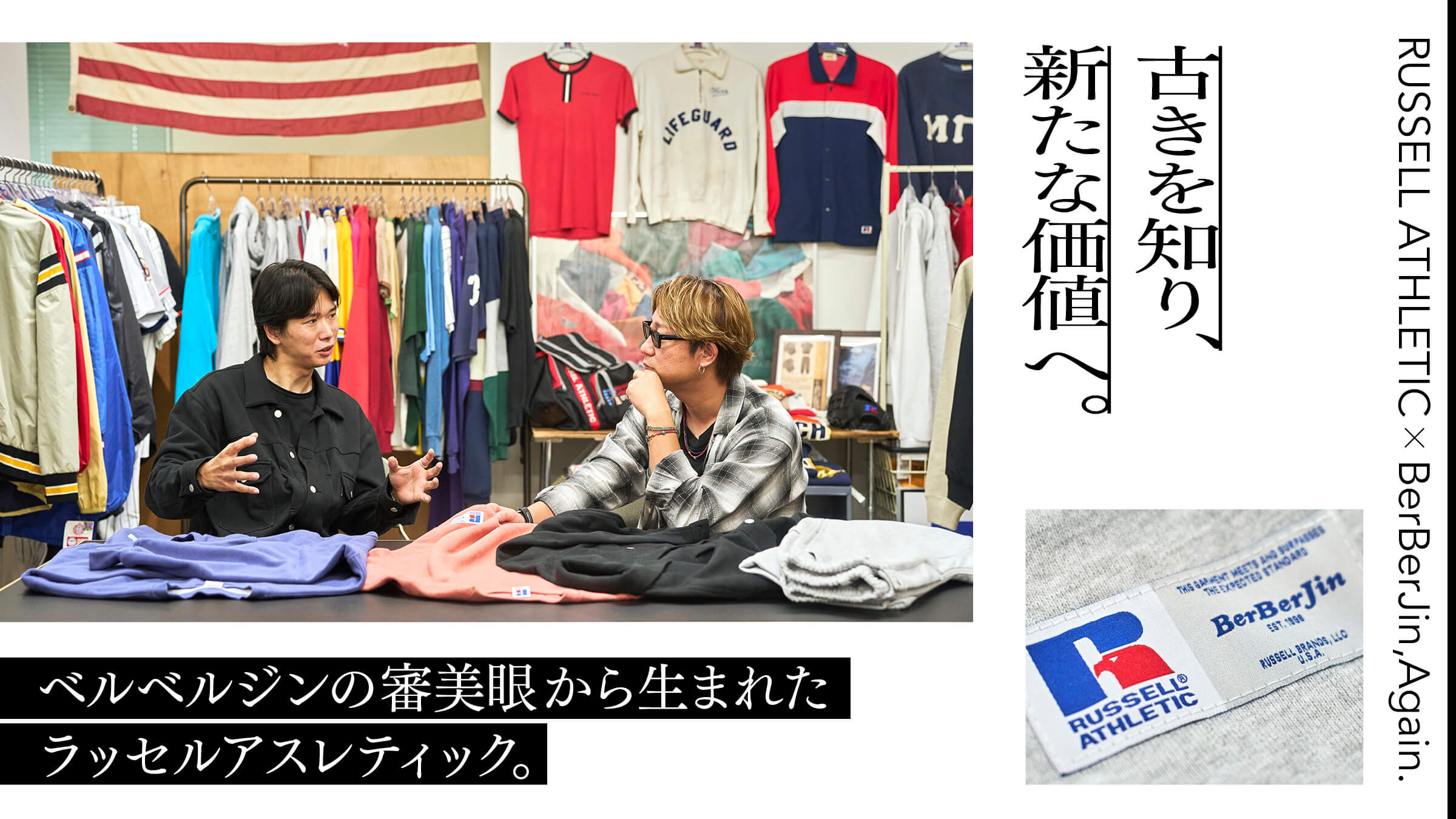
As a buyer for the vintage shop “BerBerJin” and the director of “BerBerJin YUHODO,” he is involved in curating and sourcing items, with a focus on vintage clothing. Deeply influenced by American culture and motorcycle culture, he specializes in offering styles from an authentic street perspective.
Has the era finally caught up? Russell is also making waves in the vintage scene.
—This is the second collaboration between *Russell Athletic* (hereinafter referred to as “Russell”) and “Berbergin,” isn’t it? First, could you tell us how this collaboration came about?
Makita:The first collaboration was a modern take on vintage items that “Berberjin” had sourced from the United States.
Ando:That's right. We specially recreated the gold tags used in the old days and paid close attention to every detail in the manufacturing process, so they became very popular.
—Why did you choose “Berberine” as your collaboration partner?
Ando:Although is a brand with a long tradition and prestige—having been the first in the world to produce sweatshirts in the 1920s and serving as the official uniform supplier for MLB from the 1990s through the 2000s—its name recognition in the fashion market has never been particularly high.
So, to help people learn about the brand’s history, when I joined the project as a director, I reached out to “Berberjin,” a company with expertise in vintage items.
Makita:For the first collection, we asked the designers to take details from the *Russell* archives and adapt them into silhouettes that fit with contemporary fashion. In that sense, I think it turned out to be a collection that truly conveys the brand’s history.
A sweatshirt hoodie released as part of our first collaboration. It’s inspired by vintage pieces from the “70s and ”80s, and its standout feature is the so-called “gold tag” placed in the center of the front pocket.
—To begin with, what is *Russell*’s position in today’s vintage market?
Makita:Before the pandemic, even if we found a “Russell” sweatshirt from the ’90s in the U.S., for example, it wasn’t getting much attention—so much so that we wouldn’t even buy it for “Berberjin.” But now, as soon as we put them on the shelves, they sell out immediately. Black sweatshirts, in particular, are incredibly popular.
—Is the growing popularity of vintage sweatshirts in general one of the reasons?
Makita:No, I actually think it's the other way around. It feels as though the times have caught up with *Russell*.
Ando:I think the way people perceive the brand “Russell” has changed, partly because Kanye West was wearing hoodies from the ’90s through the early 2000s.
Makita:90s sweatshirts from other brands often have wide armholes, longer body lengths, and longer ribbed hems, giving them that classic vintage look. But from a modern perspective, it’s hard to say they have a silhouette that’s easy to wear, isn’t it?
In that regard, even back in the ’90s, “Russell” positioned itself strictly as athletic wear rather than fashion apparel. That’s why the fabric is relatively lightweight, the length is clean and sleek, and it features a boxy silhouette. I think that’s exactly what resonates with the current aesthetic.
Ando:Until then, it had a strong image as a truly old-school athletic brand, but in recent years, it has begun to attract attention as a fashion statement even from young people and those who aren’t necessarily into vintage clothing.
Makita:Kanye definitely wears it that way—for example, by pulling the small hood on his “Russell” sweatshirt right down over his face—and I think “Russell” has really caught on with today’s 20-somethings, thanks to its silhouette and overall vibe.