PROFILE
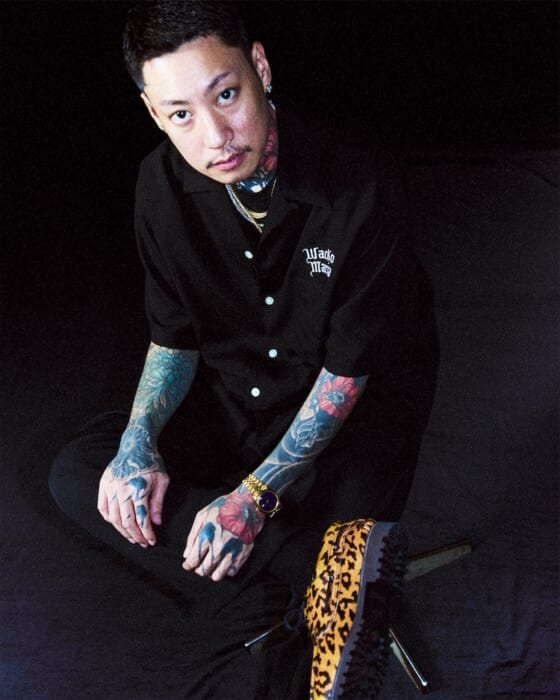
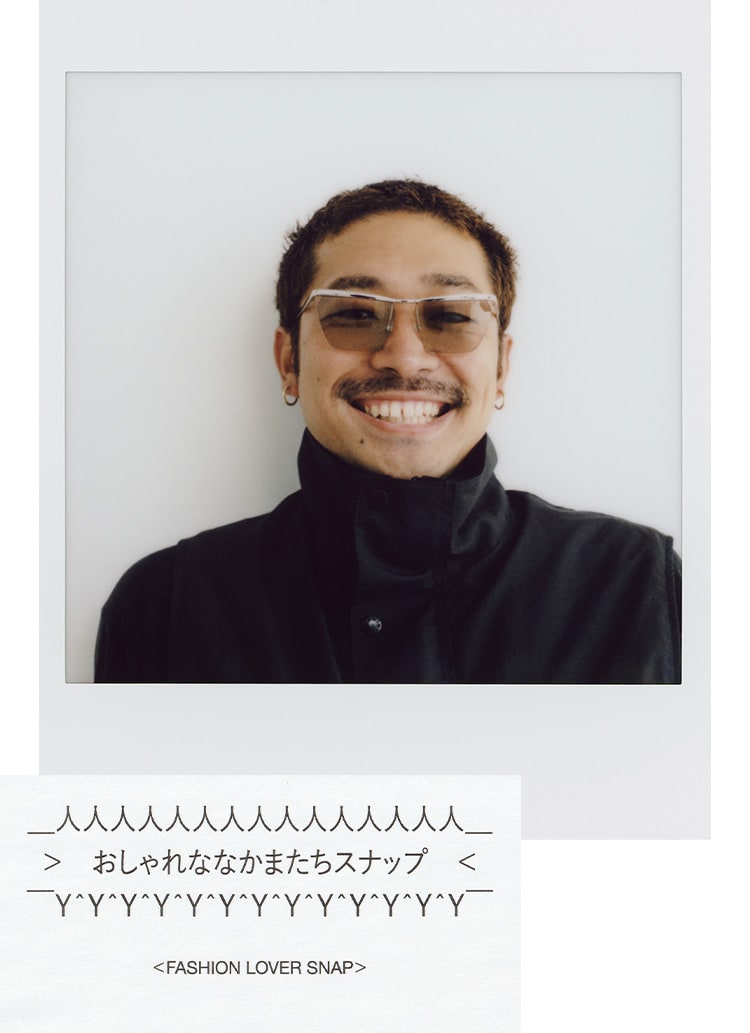
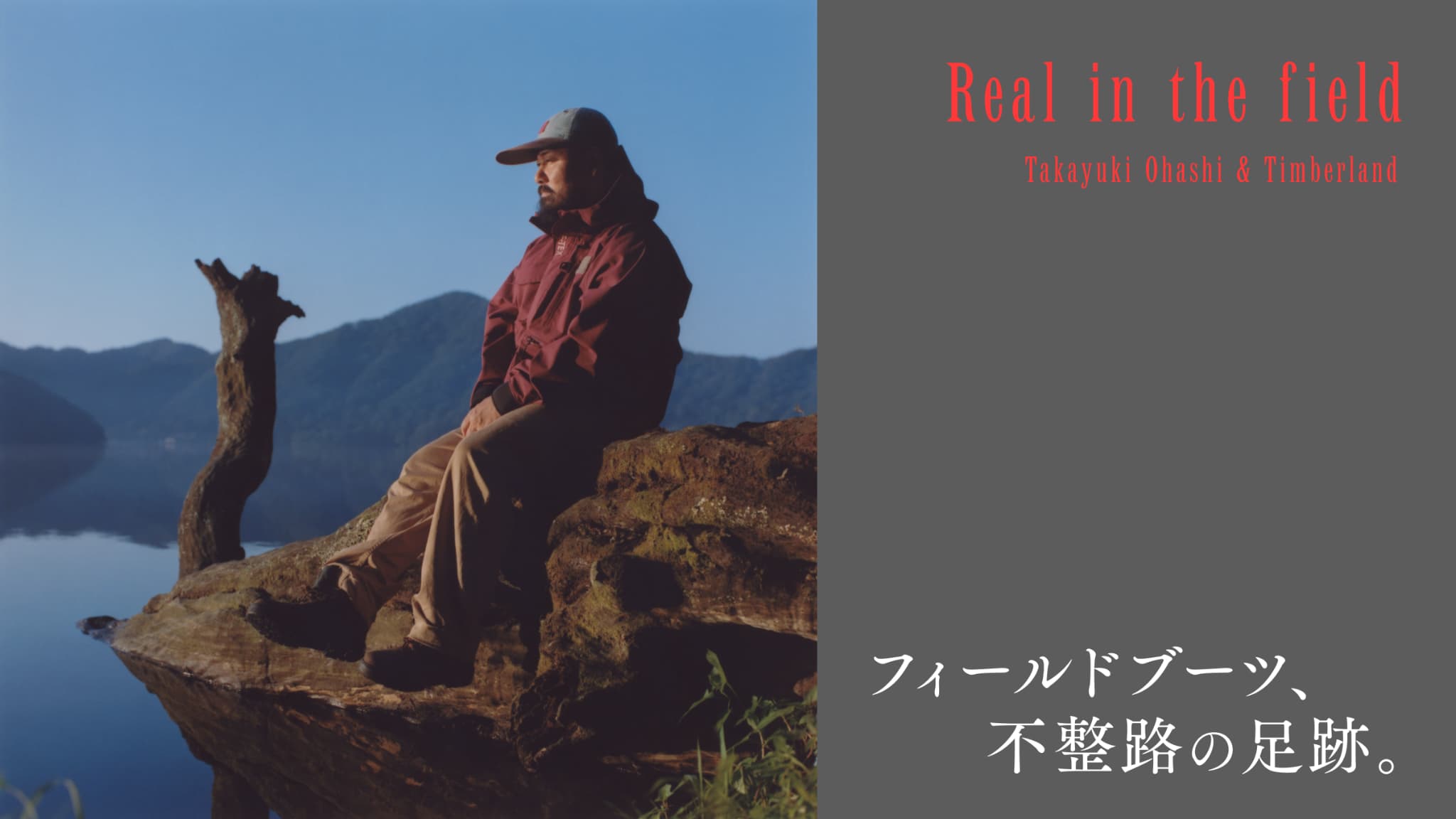
Born in 1979 in Itabashi Ward, Tokyo. In 2009, he opened the boutique “the Apartment” in Kichijoji, where he shares with the world the New York culture that has inspired him and its vibrant energy. Fishing—which also serves as a way to test products—has been the highlight of his personal life in recent years.
Instagram:@theapartment_tokyo
’In Japan in the ’90s, those were truly high-end boots.

—Was it music that first introduced Mr. Ohashi to “Field Boots,” after all?
Ohashi:That’s right. It started when I found out that hip-hop artists were wearing them. The first people I noticed wearing them were probably the guys from Boot Camp Click. Though there might not be many photos left from that time, I think ’field boots’ started being worn by people in the New York street scene around ’88, and by the ’90s, pretty much everyone in New York was wearing them.
—Wasn’t it considered more of a niche topic in the U.S. as well?
Ohashi:No, actually, among Timberland’s lineup, field boots are the ones most strongly associated with the East Coast. And when it comes to New York specifically, I guess people in Harlem wore them, as did people in Brooklyn and Queens. They really felt like the quintessential New York shoes. At least back in the ’90s, when I first became aware of them, I don’t think people from the South wore them much. But once we entered the 2000s and a wide range of color variations started popping up, I think people from other regions started wearing them more often too.
—Was there some inevitable reason why it took root on the East Coast in particular?
Ohashi:I think it originally started in the late ’80s or so, when famous drug dealers in Uptown began wearing them, and from there, the trend spread to rappers. Since New York is cold, even people who usually wear sneakers switch to boots in the winter, so I imagine Timberland gained popularity because they were the kind of boots that made you look tough when you wore them.
—Does that mean it’s not limited to a specific model?
Ohashi:Yes. This is just my personal impression, but even though ’Timberland Japan’ exists now and the shoes are easier to get, back in the ’90s in Japan, I think “Timberland” really had the image of being a high-end boot brand. Even for hip-hop fans, it was in a league of its own, so to speak. Since they were being imported through parallel channels, I remember them being incredibly expensive. Even so, once we entered the ’90s—especially around the middle of the decade—I get the impression the hip-hop scene became completely dominated by Timberland. By around ’98, I think there were actually more B-boys wearing Timberland than sneakers.
—What do you think were the reasons behind that change, Mr. Ohashi?
Ohashi:When it comes to Japanese street fashion—especially hip-hop fashion—I think that in the early ’90s, Polo (Ralph Lauren) was popular, and the so-called ’dancer fashion” style was really strong. Like wearing sneakers such as the “Air Max BW” with Polo. I feel like that started to change from the mid- to late-’90s.
Back when I was a “Euro Hiker”As I mentioned briefly earlier, around 1994, when artists like Naz began to emerge, East Coast hip-hop in New York really took off, and a darker, Mob Teep-style sound became the mainstream. Fashion-wise, too, the trend shifted from the previous style featuring primary colors to things like camouflage and dark-colored leather jackets. I get the feeling that all those musical and fashion trends kind of converged on Timberland.
—That’s certainly an episode that captures this transitional period.
Ohashi:’Back in Tokyo around ’98, it felt like almost everyone who liked hip-hop was following 100% New York. If you went to places like Yokohama or further west, there were areas where hip-hop was linked to car culture, so I think there were people listening to West Coast hip-hop as well. And when that happened, almost all the artists you saw were wearing Timberland boots, so everyone took that as their model and wanted to have them.
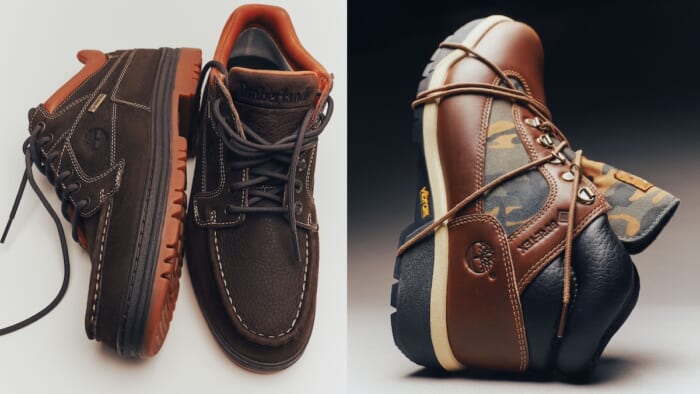
—So was this “Beef & Broccoli” also the image people had of “field boots” back then?
Ohashi:I think the McKenzie model was generally more popular in Japan. As far as I can remember, it was probably from the late ’90s through the early 2000s. Around that time, I think the “Field Boots” with gray uppers and red side panels came out, and that’s when I first saw a custom version of the “Field Boots” in an unusual color. Shortly before that, brands like New Era had started releasing custom versions—for example, Spike Lee’s red custom—and it was around that time that the trend of seeing color variations of familiar styles started gaining popularity. But basically, the “Field Boots” were still synonymous with McKenzie, and I don’t think Beebro was that popular back then.
—Since the Beebro gave me a more retro impression, I just assumed it was the earlier one…
Ohashi:I think it’s probably because, back then, the general perception was that ’Timberland” was synonymous with the “Wheat” colorway. In ’98, the “Air Force 1” in “Wheat” came out, and in 2001, the “Air Jordan 16” in “Wheat” was released. Overall, it must have been a time when the “Wheat” colorway was really popular.