Beef & Broccoli is definitely a New York staple.
—Why do you think “wheat color” resonates with people in the U.S.?
Ohashi:I think it's probably because they get dirty easily. I think the same goes for white "Air Force 1s"—precisely because they get dirty so easily, wearing them when they're still brand-new really stands out, so I think that's the main reason.
—It’s hard to make black look elegant, isn’t it?
Ohashi:Plus, when I see someone over there wearing black 6-inch sneakers or “Air Force 1s,” I still think, “Yeah, that person’s definitely a delinquent…”
—What?! Why?
Ohashi:I guess it’s just the look of the thing (lol). People who do bad things always dress in a way that lets them move around easily, don’t they?
—So, this is a more serious story about the underworld, isn’t it? Let’s get back to something a little more mainstream (laughs).
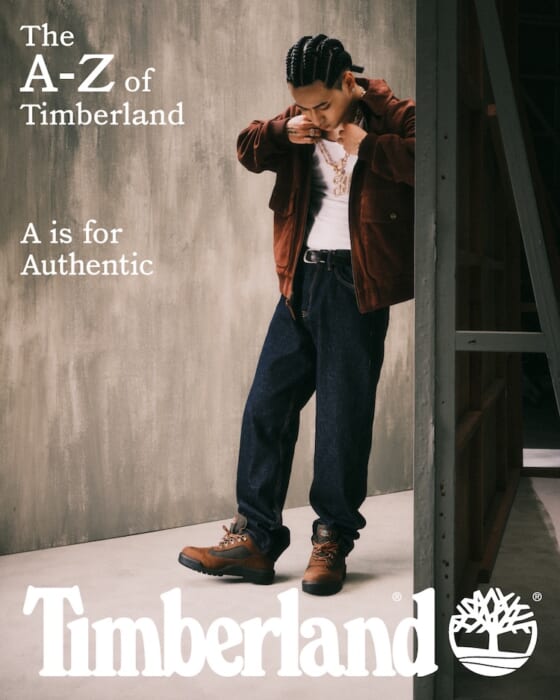
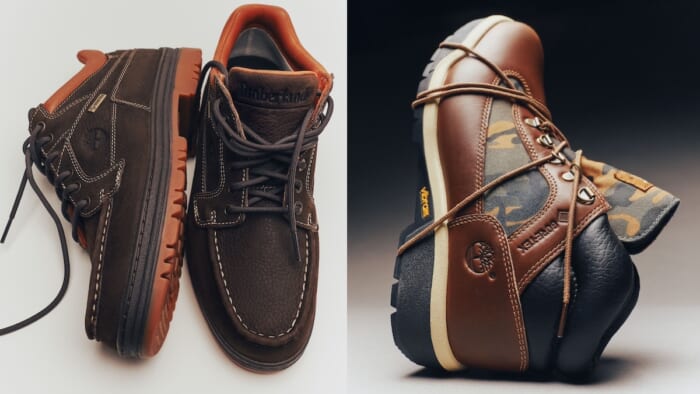
Ohashi:(Laughs). But while the color “Wheat” was probably popular all over the U.S., the “Beef & Broccoli” color of the “Field Boots” seems to have been insanely popular only in New York. I think the influence of the people who wore them in the very early days—like Billy Guy—was one of the reasons for that.
—You're a hustler from the South Bronx, right?
Ohashi:That’s right. I think those were the first ones people like that started wearing around ’88—Timberlands in colors like Beef & Broccoli, Sundance, and Sesame Chicken. In the movie *Paid in Full* (set in New York during that era), Rico—played by Cameron—is even seen wearing Beef & Broccoli boots. I think that’s how it started: influential people in the early days wore them, and that’s what made Beef & Broccoli popular.
Also, while the style of using bold, vibrant colors comes from Southern fashion, and on the West Coast you’ll find people who wear only certain colors, for me, New York fashion is all about subdued tones—and I think Beef & Broccoli fits right in with that. When you think about it that way, Beef & Broccoli is definitely a New York color.

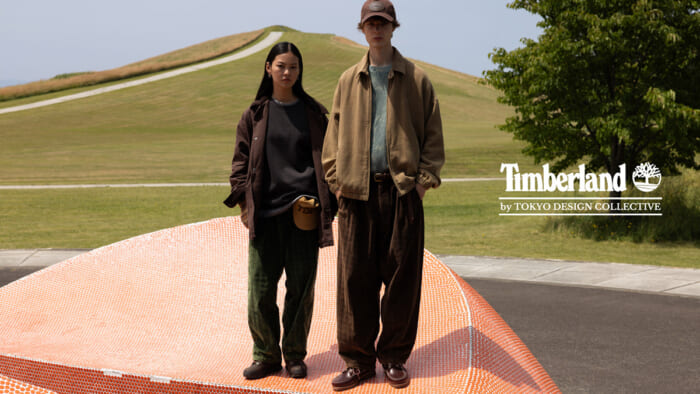
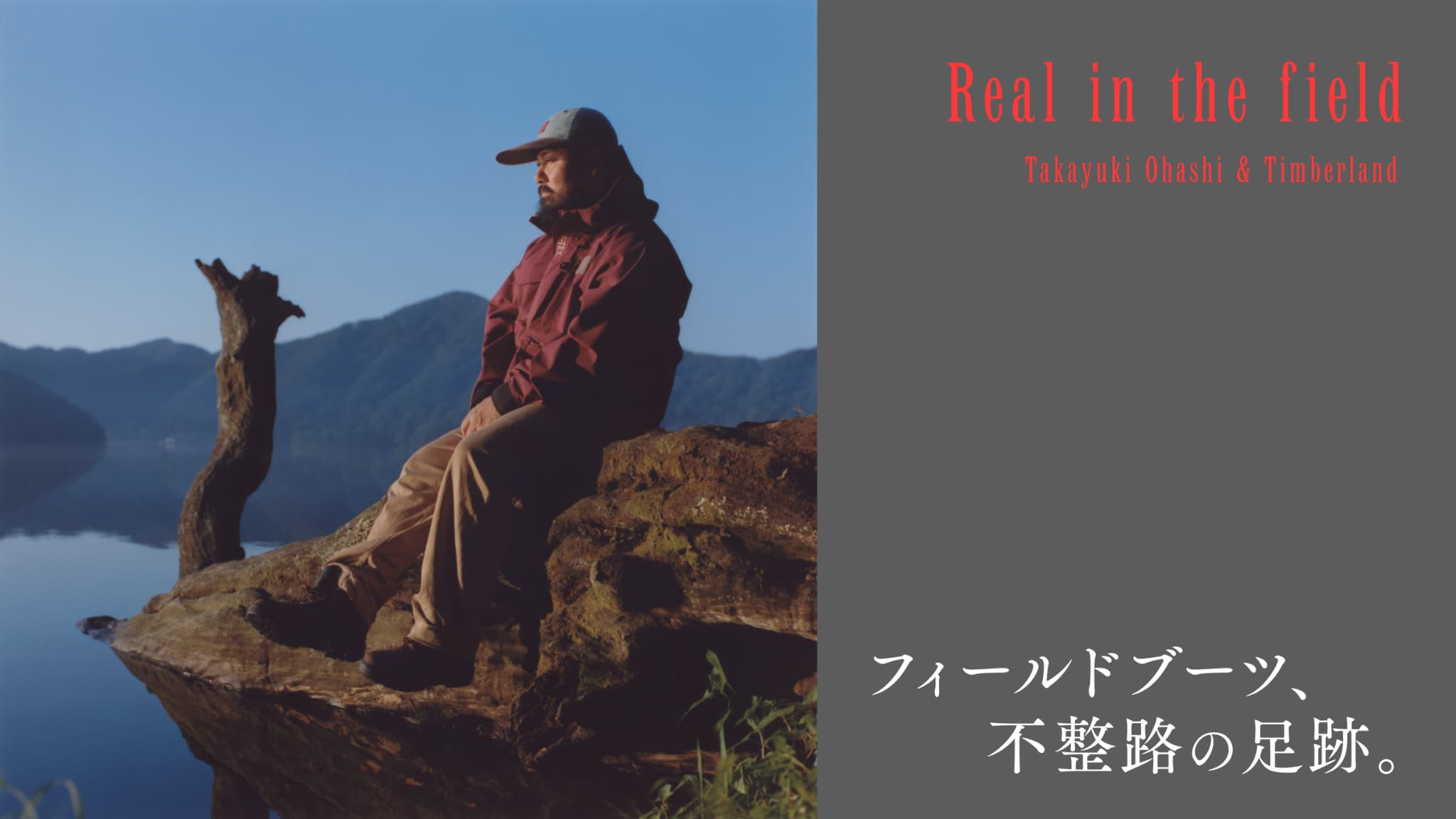
—Even though we’ve been hearing stories about urban areas, we deliberately chose to shoot this session by a lake, away from the city.
Ohashi:But I’ve never really been that interested in things made purely for fashion; I like taking items designed for specific purposes—like workwear or military gear—and incorporating them into fashion. I’ve always enjoyed wearing clothes and shoes originally made for the mountains out on the streets, but I’ve long had this desire to confirm for myself that “these can actually be used in their intended environment, too.” Since this was something that hadn’t been part of my culture before, I was a bit hesitant at first about wearing these kinds of boots out in nature.
—Even so, did you see things differently when you actually tried it?
Ohashi:That’s right. It helps me realize once again where my love for certain things really comes from. And these “field boots”—they get wet from light rain or morning dew, or get dirty with dirt, just like today, right? When that happens, you get to see that rugged charm these boots naturally possess, and it’s fun to rediscover that appeal—it makes me grow even fonder of them. Of course, if I were actually going hiking, I’d probably tie the laces, but otherwise, I’d basically like to wear them the same way I’ve been wearing them around town—with the laces loosened—so I can enjoy being out in nature.
—I see. Where are the pants you're wearing today from?
Ohashi:This is a Ralph Lauren. I bought it for the store on a buying trip around 2010, and I bought one for myself at the same time. I’ve worn it so much that the hem’s worn through, though. I could have chosen to coordinate my outfit with the “Beef & Broccoli” color of the “Field Boots,” but since today’s shoot was supposed to take place in nature, I wanted to capture the vibe of the era when the “Field Boots” were first released. Not just matching colors, but going for that classic American casual look—that kind of mood.