PROFILE

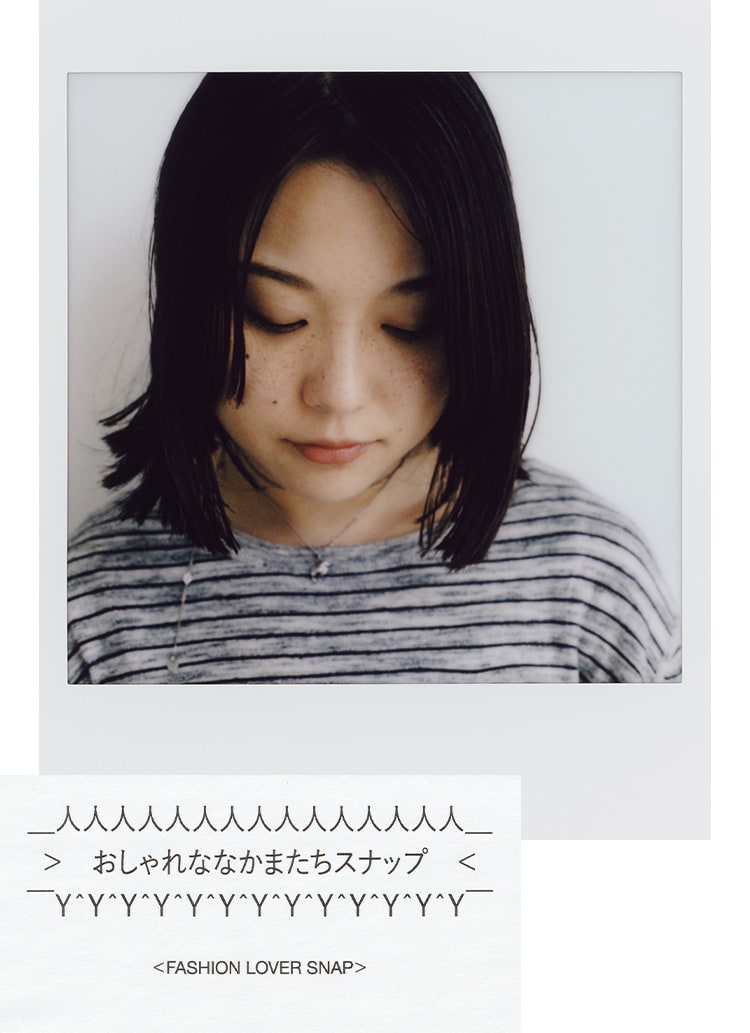
Born in 1996 in Aichi Prefecture. After joining WWD JAPAN straight out of college, he moved to “MIDWEST” in 2022. He currently serves as a men’s buyer while also handling store operations, event planning and development, and special-order projects.
PROFILE
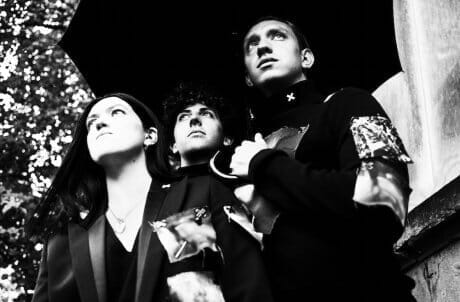
Born in 1992 in Aichi Prefecture. While attending Bunka Fashion College, he studied tailoring in the Men’s Design Course and worked at “LAILA.” After graduating, he joined the store, where he not only repaired the vintage clothing sold in-store but also worked on the planning and production management of the in-house label for six seasons from its launch. In 2018, he was appointed designer following the rebranding of the Fall/Winter 2018 collection of “MASU.”
PROFILE
Born in 1994 in Nara Prefecture. He launched 〈DAIRIKU〉 while studying at the VANTAN Design Institute and won the Grand Prix at the “Asia Fashion Collection” in 2016. The following year, he presented his collection in a runway format for the first time at ”NY FASHION WEEK.” He releases collections inspired by “movies” each season, and for the 25SS collection, he produced his first short film, “AISLE,” to accompany the collection’s presentation.
PROFILE
Born in 1995 in Aichi Prefecture. After graduating from high school, he began his career in the apparel industry in Osaka. Deeply influenced by a fashion culture that blends vintage and archive pieces with current collections, he gained experience working in sales at vintage shops. He later studied under Yasuhiro Mihara, joined SOSU’s streetwear label , and was appointed director in 2018. In 2023, he rebranded the label and launched .
The Aesthetics of Craftsmanship.
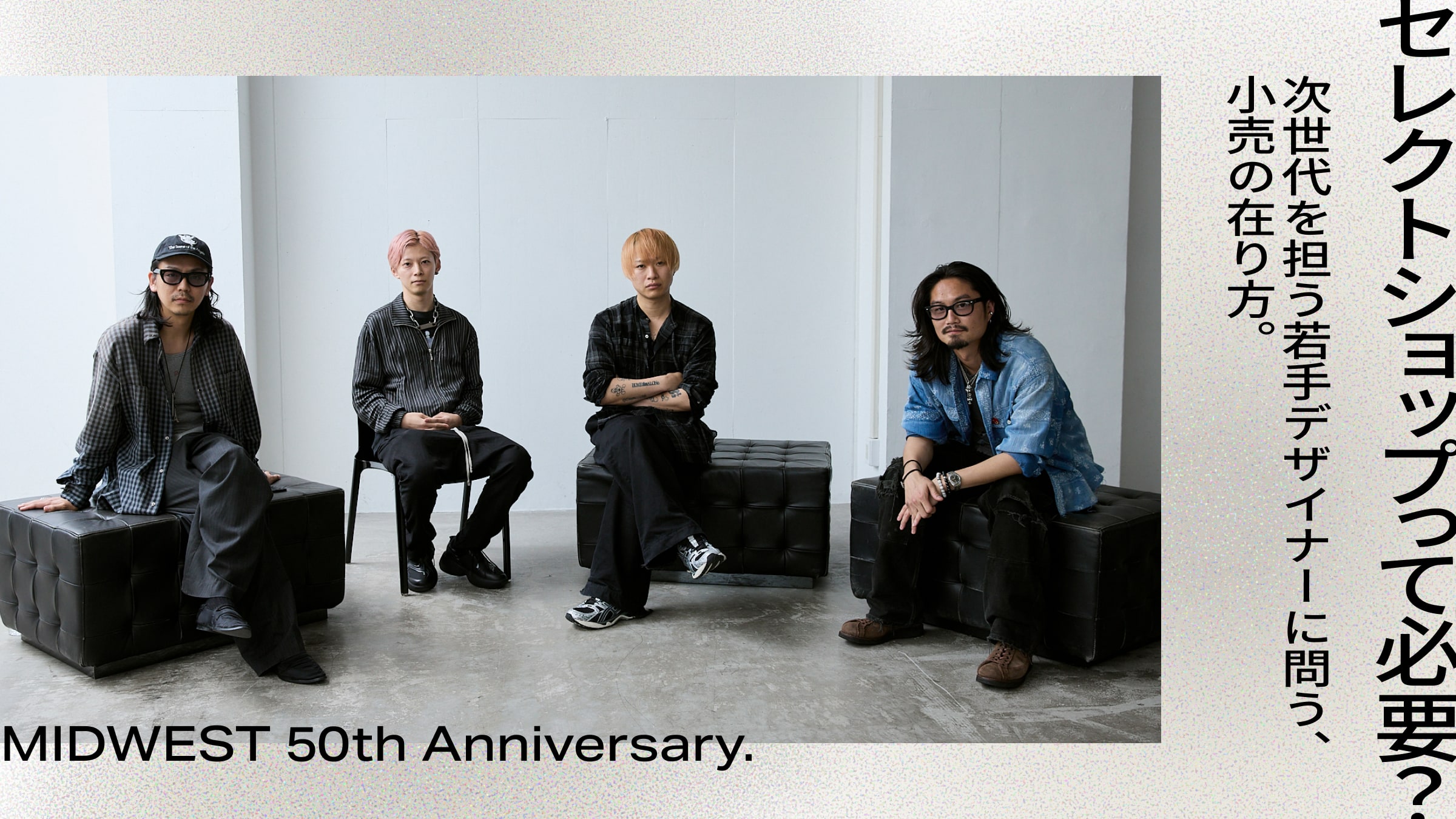
—Now that I’m standing in front of you all again, I’m actually a little nervous—it’s quite an impressive lineup… First, I’d like to ask about your relationships! I think you’re all around the same age…?
Goto: They seem close in age, but I don't know how old they are (lol). How old is everyone?
Okamoto: I think I'm two years younger than Mr. Goto.
Kamiya: So, I'm one level below that, and Mr. Osawa is one level below me, right?
Osawa: Yes.
—In the past, these three of you also appeared together on the talk show “MIDWEST DESIGNER TALK SHOW FESTIVAL,” which was organized by “Midwest,” didn’t you? Do you often exchange ideas about the things you make and your creative work in general?
Goto: No, not at all.
Kamiya: Even when we meet up in our free time, we're always just goofing around, aren't we?
—So you sometimes meet up in private, too.
Goto: Yes, I do. I often play futsal with Kamiya.
Kamiya: And the people around here too (the brand team surrounding this interview and the photographer taking the shots) (laughs)
Goto: I think that since everyone is doing their own thing in their respective fields when it comes to fashion design, it’s probably not something outsiders should really comment on. That’s probably why I tend to avoid those kinds of topics without even realizing it. But Kamiya-kun’s show the other day was just so amazing that I couldn’t help but reach out to him.
Kamiya: That’s pretty rare, isn’t it? I was just so happy to receive such passionate feedback.
—Do you ever ask others for their opinions on the things you create, Mr. Okamoto?
Okamoto: I sometimes ask for input from people in completely unrelated fields. That’s because when my perspective gets too narrow, they can help me see the bigger picture.
—Now that we’ve gotten a sense of your relationships and approach to craftsmanship, let’s get right to the main topic. The select shop “Midwest” is celebrating its 50th anniversary this year. First, Mr. Osawa, as the buyer, could you share your honest thoughts on the present moment?
Osawa: I believe it’s quite rare—not only in Japan but worldwide—for a select shop to have remained in business for as long as half a century, so first and foremost, I’m truly delighted that we’ve reached this milestone. After all, a select shop exists only because of the brands it carries. I’d like to take this opportunity to once again express my gratitude to the designers and the many others who have been involved with us.
—How does this 50th-anniversary milestone look from a designer’s perspective?
Goto: It's just amazing. But to be honest, when I hear "50th anniversary," it doesn't really sink in. So, I got curious about just how impressive it is to stay in business for 50 years and looked it up—apparently, less than 1% of all companies have been in business for more than 50 years.
Goto: When you think about it, it’s truly amazing that a “select shop” has been able to survive this long in the fashion industry, where things change so rapidly. For someone like me who plans to make a career in the fashion world, it’s a huge source of encouragement and inspiration.
Kamiya: That’s exactly the point. Trends have been changing constantly even just over the past few years, so it’s impossible to imagine how many turning points there have been over the past 50 years. But even so, it’s truly amazing to have remained at the forefront all this time.
Okamoto: Since we love fashion, we often find ourselves looking back at its history, don’t we? It’s almost like a fairy tale—even if we want to, we can’t quite capture the vibe of the ’70s through the ’90s. But celebrating a 50th anniversary means they’ve been at the forefront of it all, witnessing it firsthand and sharing it with the world. As a store, that really gives them a lot of credibility, doesn’t it?
Kamiya: That’s right. To commemorate this 50th anniversary, various brands have come together to create commemorative items, haven’t they? That’s something that’s only possible because of this history and the credibility that comes from its depth.
—Could you tell us more about this “project commemorating the 50th anniversary”?
Osawa: We commissioned 50 brands to create one-of-a-kind pieces. We deliberately did not set a specific theme; we simply asked each brand to create something that reflected “what they want to convey to the next generation of designers through their own creations.”
Osawa: We wanted the wonderful brands we work with—and their designers—to bring to life the fashion they “simply love.” We created this project with the hope that not only students currently considering a career in the fashion industry, but also younger generations, will develop a love for fashion and take the plunge into the industry.
—What was your honest reaction when you were offered this role?
Goto: "50... Are that many people really going to show up?" (lol)
Kamiya: I thought to myself, “Only Midwest could pull something like this off, right?”
—It was presented as an offer that wasn't limited to just clothes, right?
Osawa: That's right. There are also brands that don't sell clothing.
Kamiya: I caught a quick glimpse of it, but Rick’s (Rick Owens) collection was really shocking, wasn’t it? I remember watching it with Mr. Mihara (Maison Mihara Yasuhiro / designer), and we both laughed, saying, “Well, I guess anything goes now” (laughs).
—Since we’ll have to wait until the exhibition to see the actual works by Rick Owens in person, would it be okay if we started by taking a look at the pieces created by Mr. Kamiya?
Kamiya: We based this design on the duck painter pants—a staple of 〈Kamiya〉 that it’s no exaggeration to call the face of the brand, and which Midwest has ordered without fail every season. This is an item we’ve carried since our very first season three years ago, when we rebranded as 〈Kamiya〉, and I feel like it represents my journey up to this point. While “aging over time” is a core pillar of our brand, I felt it was meaningful to create this piece now as a way of returning to our roots.
Kamiya: Among the 50 brands gathered here, *Kamiya* is a relatively new brand. So, in keeping with the spirit of a young brand, I wanted to incorporate a bit of punk, and every day I’d add a few safety pins here and there.
Goto: It looks so realistic. It’s the kind of pair that makes you look forward to imagining what kind of person will wear them and how they’ll grow from here on out.
Osawa: There's a certain sense of nostalgia to it, and it really feels like something *Kamiya* would do, doesn't it?
—Next up is Mr. Okamoto. What kind of products did you create at ?
Okamoto: I'm wearing this ska jacket.
Okamoto: This is one of the so-called “Big Sleeve” styles released by —a piece that features vintage-inspired treatments such as cut-out details, bleaching, and a frayed finish on various parts. To celebrate Midwest’s 50th anniversary, we designed it in the style of a souvenir jacket, featuring the store locations—TOKYO, NAGOYA, and OSAKA—along with the year, as a way of saying “Congratulations.”
Goto: That's really intricate. This embroidery design was made specifically for this item, right?
Okamoto: That's right. We created the design specifically for this project. We also created the map of Japan just for this occasion. Since we had to rush the finishing touches at various locations, I think that means a lot of people's feelings are poured into it.
—Well then, to wrap things up, Mr. Goto, please tell us about what you created at .
Goto: This is our signature "Galaxy Jeans" with a flocked finish.
Goto: We occasionally hold an event called “Towal Check,” where we display and sell items that never made it to market in an auction-style format. The most recent one was held this past April, and the folks from “Midwest” actually came to check it out. It wasn’t just Mr. Osawa—other staff members came as well. That made me really happy and left a lasting impression on me. The item that generated the most buzz at that event was a denim jacket with a full-body flock print, and remembering how much they seemed to like it, I decided to create this design by reimagining one of our signature items.
In a world so focused on efficiency, making clothes seems like such an inefficient thing to do, doesn’t it? It’s full of waste. But I want to share the mindset that lets you enjoy the process. I created this hoping to pass on that kind of energy—the kind that says, “If you come up with something fun, just go ahead and make it happen!”—to the next generation.
Kamiya: That's great. With strong feelings.
Goto: I'm trying to put it pretty gently here. It'd take a while to explain (lol).
—Mr. Osawa, wasn’t it incredibly moving when you received the finished item?
Osawa: That's right. Since we leave it up to them, we never know what's going to arrive. So, the whole staff would wait with bated breath, wondering what kind of things would show up, and then when we opened the package, we'd all go, "Whoa!!" and be really impressed—that's kind of how it was.
—These three items alone are quite a sight to behold, but it’s amazing to see 50 pieces of this quality all lined up together.
Osawa: Yes, I’m really looking forward to it. The exhibition will kick off in Nagoya and then travel to Osaka and Tokyo. I hope you’ll come visit the venues and experience each designer’s vision firsthand.
- 1
- 2