At “GLOBE SPECS,” which carries a wide selection of eyewear from prestigious designer brands to rare pieces from both Japan and abroad, the Brazilian brand was added to the lineup last year. What kind of scenery inspires the sculptural, three-dimensional frames? Puzzled by this question, Tetsuya Okada, the company’s representative, met with the designer couple Gustavo and Gisela Assis this summer and set off for Brazil to uncover the true meaning behind their slogan, “LAPIMA is Brazil.” First, let’s hear about the three regions in Brazil that Mr. Okada visited at the couple’s recommendation.
São Paulo – A cityscape brimming with vitality and art.
In early July of this year, Mr. Okada departed from Haneda, made a layover in New York, and arrived in São Paulo, Brazil’s largest city. When he ventured out into the city, the first thing that overwhelmed him was the majestic row of street trees standing proudly throughout the city. The streets, crowded with buildings and cars, were overflowing with unfamiliar trees like a jungle; their branches reached out noisily over the sidewalks, and their roots spread with such force that they seemed poised to push up the ground. “The trees are so wild and powerful—more so than I’ve ever seen in Japanese cities,” he said. Right in the heart of the city, nature’s raw vitality was on full display.

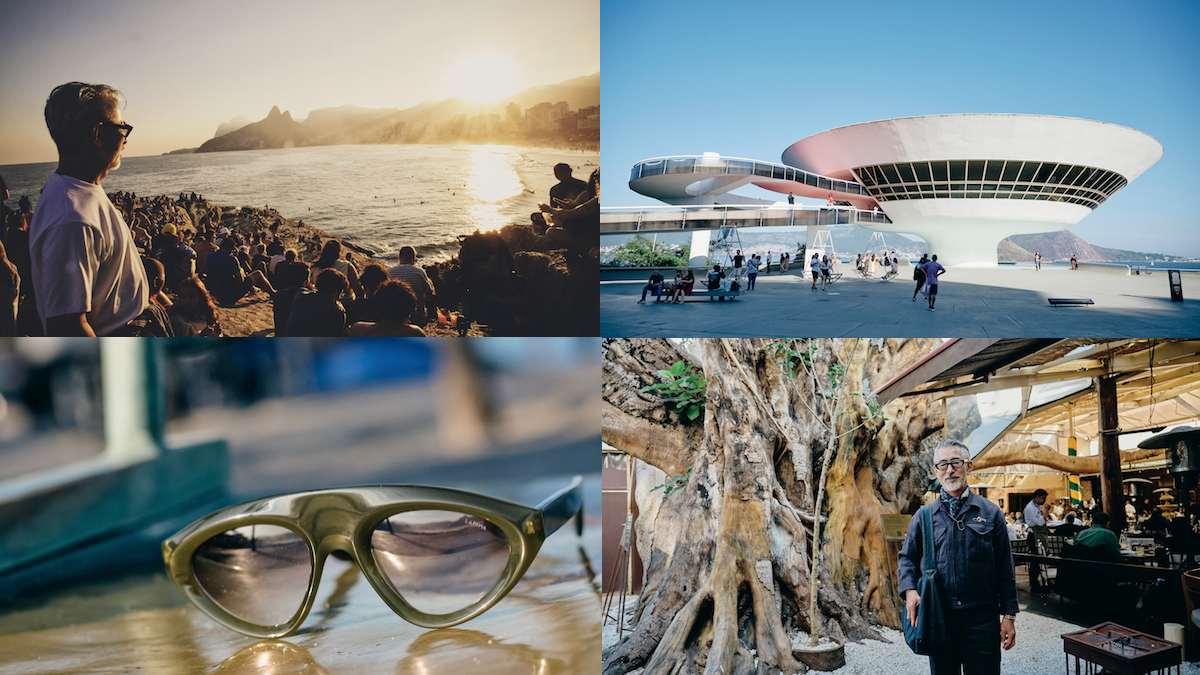
What really cemented that impression was “A Figueira Rubaiyat,” a renowned restaurant specializing in meat dishes. Inside, a massive fig tree—which had originally grown on the site—spreads its branches overhead, reaching far beyond the glass roof and stretching toward the sky. They say the tree stands over 20 meters tall. “This was the most memorable restaurant of my trip. It wasn’t until I saw that majestic fig tree towering over us that the realization that I had actually come to Brazil slowly began to sink in.” Whether it’s street trees or the massive trees in restaurants, perhaps Brazilians place great importance on creating spaces that are in harmony with the scale of trees.
In a city that defies convention like this, art isn’t just displayed in an orderly fashion. If you want to immerse yourself in contemporary art at a museum, the “Museum of Art of São Paulo (MASP)” is a great choice, but here in São Paulo, art isn’t something special—it’s seamlessly woven into the everyday landscape. Much of the graffiti covering the city’s walls feels more like art than mere scribbles, and as you walk the streets, you’ll often come across buildings with unusual shapes.
For example, “Casa Bola,” the home designed and built by architect Eduardo Longo, which Mr. Okada discovered right in the heart of São Paulo. In addition, Ibirapuera Park—a popular gathering place for locals—is dotted with large-scale, fantastically shaped structures, including the “OCA,” an exhibition hall designed by Oscar Niemeyer, one of Brazil’s most renowned architects.
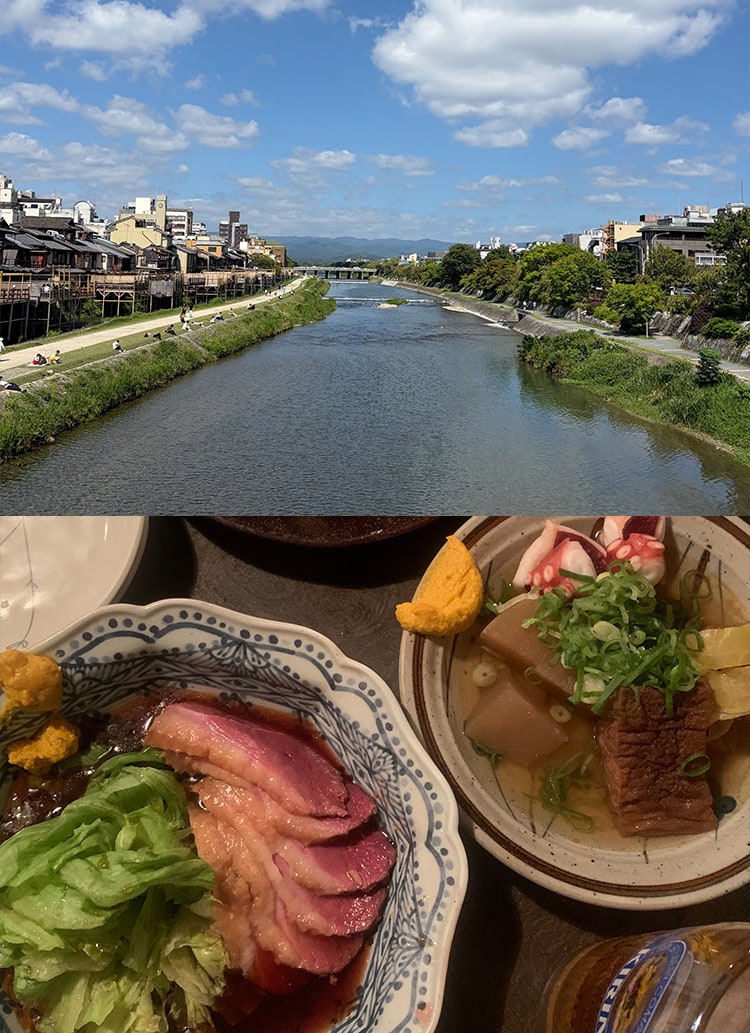
The local cuisine also had a robust character unique to this region. At “Capim Santo,” a restaurant located within the “Solar Fábio Prado” cultural center, I sampled pirarucu, a large freshwater fish native to the Amazon. “The white flesh was mild, but the meat was firm and delicious. “They say that in a fishing village, catching just one of these is enough to live on for a week.” From the trees lining the streets, to the graffiti on the walls, to the quirky architecture, and even the dishes served at restaurants—everywhere I went in São Paulo, I felt Brazil’s powerful vitality surging toward me.
Rio de Janeiro & Paraty – Experience the tranquility and vitality of nature’s bounty.
An hour’s flight from São Paulo. Next, we headed to Rio de Janeiro, a city brimming with a cheerful and positive atmosphere. After all, you can’t really talk about Brazil without experiencing this vibe. The view changes dramatically—from the skyscrapers we’d just left behind to a landscape where the ocean and mountains blend together. Copacabana Beach was teeming with people in swimsuits, shorts, and flip-flops, with steep, rugged cliffs peeking out beyond the waves. At Cape Alpoador, located northwest of Copacabana, it’s customary for visitors who have come to witness the sunset to break into a round of applause the moment the sun completely dips below the horizon. It’s a precious moment to celebrate the wonders of nature.
We also drove four or five hours from Rio to visit the small coastal town of Paraty. Set against a backdrop of tropical forest, the old town faces a cove and is lined with cobblestone streets. White walls with brightly colored doors and window frames… The townscape and buildings retain the atmosphere of a bygone era left behind by Portuguese immigrants in the 18th and 19th centuries. Compared to the two cities mentioned earlier, this place is by no means well-known. But perhaps there were sights here that the designers wanted to show Mr. Okada, which is why they made the trip here. Mr. Okada walks through the town, with Gustavo keeping pace right beside him. As he shared this time with them in the town, memories of Portugal—a country he describes as “one of his favorites in Europe”—came flooding back to Mr. Okada. This land was once a colony of his country. “With its tranquil atmosphere, old buildings, and the town’s color palette, it was a town that seemed to be packed full of Portugal’s charm.”
Mr. Okada also toured the bay on a boat owned by one of Gustavo’s relatives. A short distance offshore, small islands and peninsulas are scattered about, with deep green mountains looming behind them. Apparently, there are spots with rough waves just beyond the calm bay, and Gustavo says he enjoys surfing there. This place, which even the townspeople rarely visit, is a special spot where the sea and the forest, tranquility and vitality, coexist.
“Depending on the season, there are festivals where you can enjoy literature, jazz, and the local spirit, cachaça, along with music. I think it’s the perfect town to lose track of time and relax, or for adults to fully indulge in their hobbies.” Surrounded by the sea and mountains, and having carefully preserved its historic streetscape, this town exuded a charm that made me want to settle in and spend a few days there.
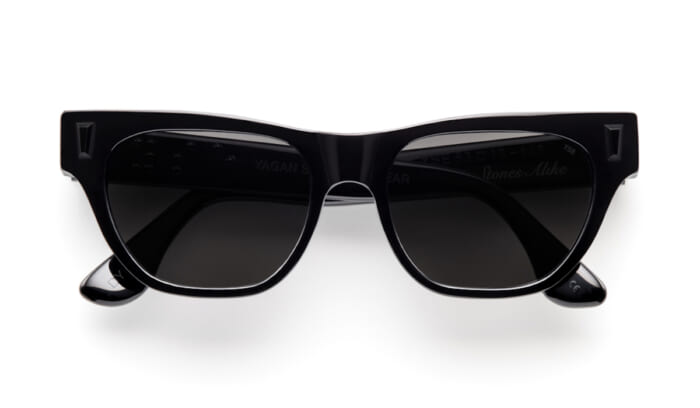
Mr. Okada says that his favorite town on this trip was Paraty. This town is designed so that at high tide, seawater floods the entire street, washing away dirt as the tide recedes. When the entire town is flooded, the vibrant colors of the town are beautifully reflected on the road surface. This journey allowed him to experience with all five senses the Brazilian cities and natural landscapes that serve as the creative inspiration for *Rapima*. As Mr. Okada looks back on the trip, he is, as always, wearing *Rapima* glasses with their architectural design. Perhaps those Brazilian landscapes are always reflected in the world he sees through their lenses.
PROFILE
After working at a major city bank and then at a large eyewear retailer, he opened “Globe Specs” in Shibuya, Tokyo, in 1998. Starting in 2017, he won the “BESTORE AWARD” for two consecutive years at the “MIDO” trade show in Italy. The store was named the world’s best eyewear store.
Instagram:@tetsuya_globespecs
Text_Sana Tajika