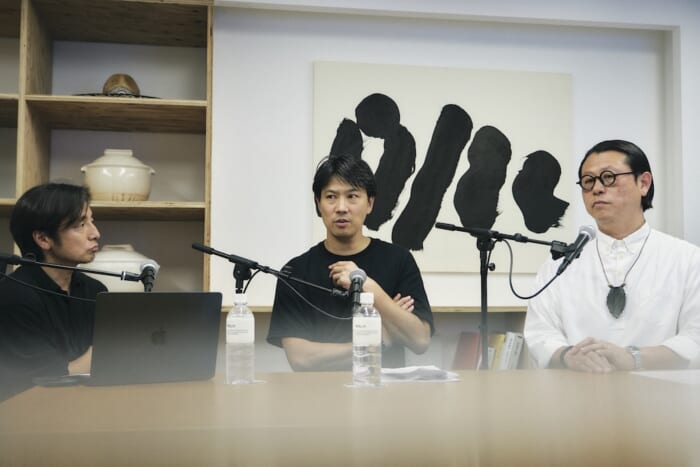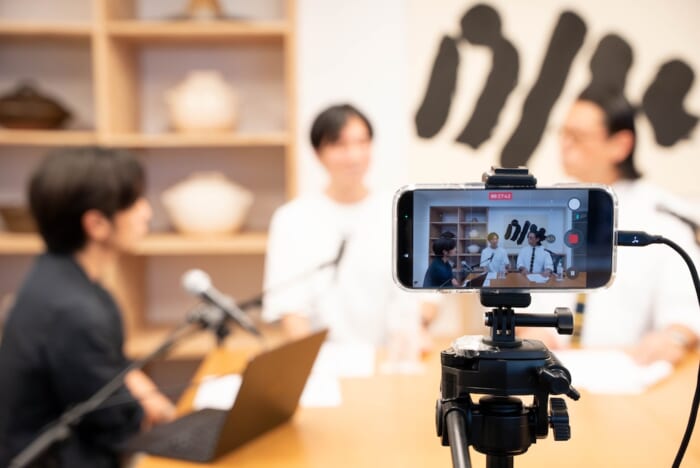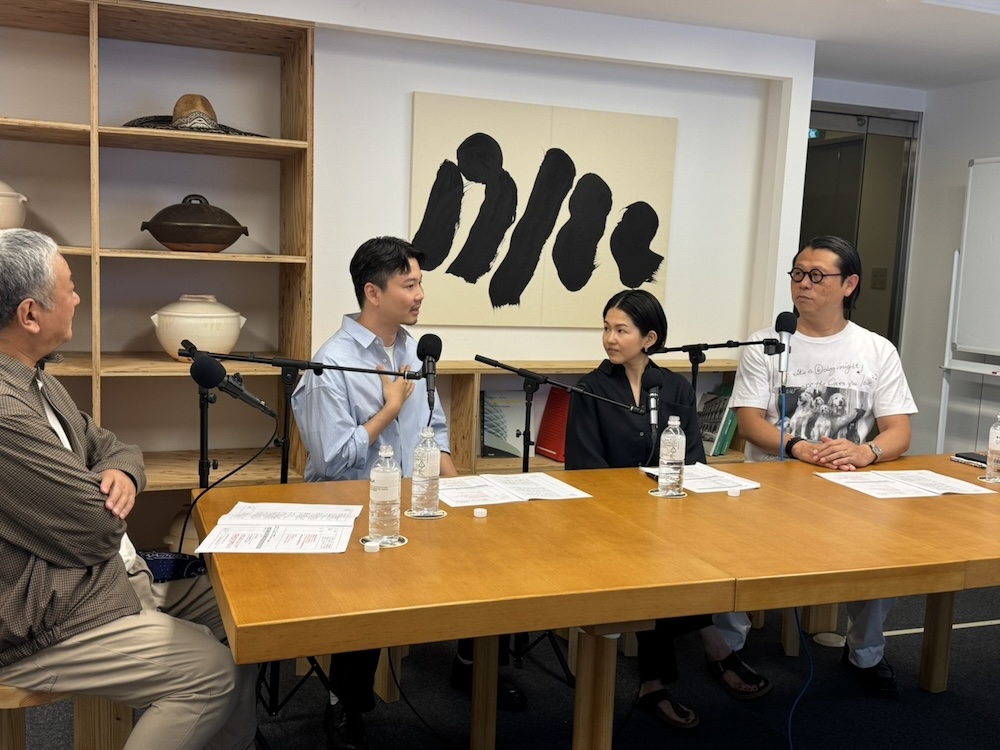
We often hear listeners say, “I’m listening” and “This is really educational” about our podcast, “The Economics of Culture and Urban Development: Culture Scapers.” It’s very encouraging—thank you so much.
For the fourth episode, which aired the other day, we welcomed Bai Bing and Maya Yatabe from “FOOD&COMPANY,” a grocery store specializing in organic foods.

#17 Think in terms of the scenery you want to create, rather than the job you want to do.
"Food & Company" opened its first store at Gakugei University in 2014 and currently operates four locations, including Shonan T-SITE, Shinjuku NEWoMan, and Daikanyama T-SITE.
Co-founders Bai Bing and Maya Yatabe aimed to create a store that fosters connections between people—not just a place to buy groceries.
They say what they value most isn't just convenience, but also the variety of their selection, the conversations between staff and customers, and their connection to the local community.
Rather than rejecting capitalism or efficiency, we explore the philosophy of “Food & Company,” which proposes ways to enrich our daily lives and society through our everyday shopping.
#18: What Is the System That Connects Small-Scale Producers and Retailers?
In the second installment, the discussion focused on the store development philosophy and relationships with producers that “Food & Company” values.
They say they place importance not only on product sales and profit margins, but also on the creators' passion and approach to craftsmanship.
We currently do business with approximately 400 producers and also operate “Neighbors Food Market,” a business matchmaking event and online platform that connects small-scale producers with restaurants and retailers.
Their philosophy is also reflected in the nature of the community that is fostered through their daily interactions with customers.
#19 The Food Business and the Truth Behind a 0.1% Waste Rate.
The challenges they face as they expand their business and the values they both hold dear are the focus of the third episode.
The main challenge facing the food retail industry is low profit margins. To sustain their businesses while supporting producers, they are reportedly exploring integrated business models that incorporate cafes, delis, and other concepts.
Furthermore, rather than choosing products based solely on organic certification or cultivation methods, the primary criterion is that they must be “delicious.” On that basis, they say they want to make choices that are also good for the producers and the environment.
I am impressed by the two of them and their commitment to not just pursuing growth, but to becoming a force that influences the industry.
#20: What Are the Keys to Creating a Store That Will Continue to Be Loved 10 Years from Now?
In the final episode, which wrapped up the series, the hosts engaged in a discussion that incorporated questions from listeners.
Topics ranged from “Conditions for Opening a Store in 10 Years” and “The Value of Brick-and-Mortar Stores in the Digital Age” to “Real-Life Stories of Failures When Starting a Business.”
The conversation then shifted to the future potential of culture and small businesses in Japan.
It takes an in-depth look at the role of local shops in fostering a city’s unique character and at Japan’s flexibility in embracing different cultures.
This is a must-listen for anyone interested in urban development and the future of food.