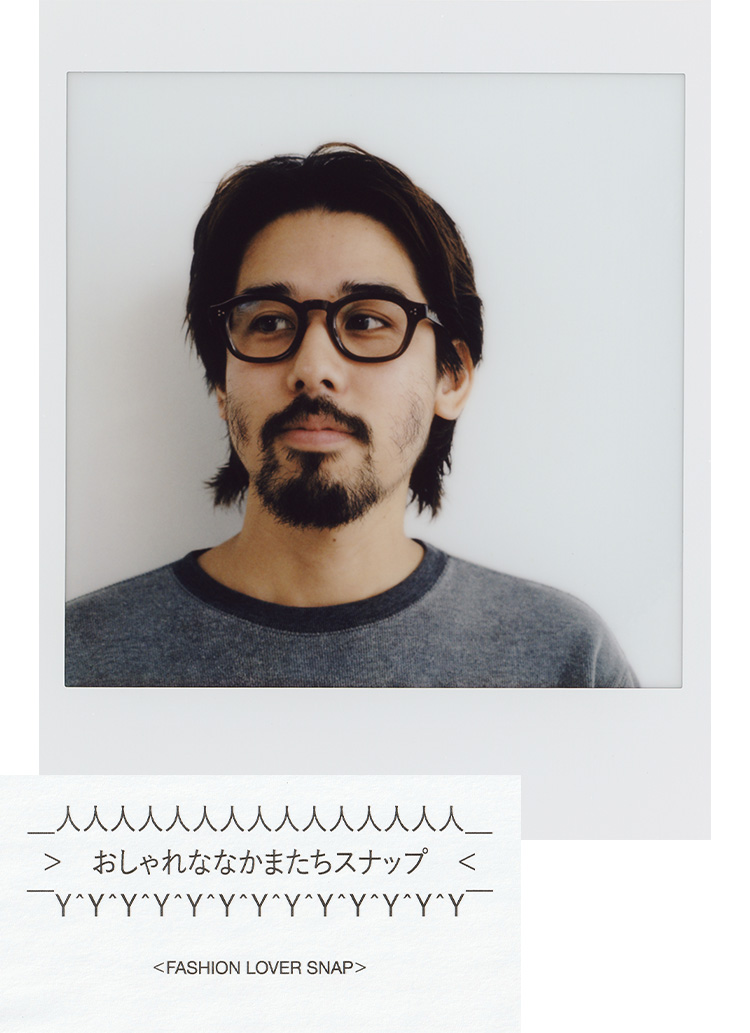
PROFILE
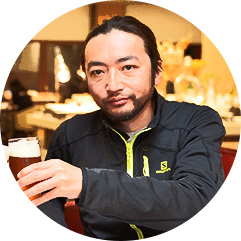
Born in 1979. Originally from Aichi Prefecture. She has worked as a model in advertising and fashion media. Four years ago, she moved to Karuizawa Town in Nagano Prefecture and began organic farming. She has been running “Watanabe Coffee,” where she roasts her own pesticide-free coffee beans, for 27 years. Since April of this year, she has been promoting “Kawamata Silk”—which has a history of over 1,300 years—in Kawamata Town, Fukushima Prefecture, and now divides her time between Karuizawa and Kawamata.
We cultivate the soil to grow vegetables.
Four years ago, Ms. Watanabe moved from Tokyo to Karuizawa. Although her modeling career was progressing steadily, she decided to set out for a new beginning in search of a purpose in life that went beyond the sense of fulfillment her work provided.

“I decided to try everything I wanted to do, one by one. But living in Tokyo, I found myself getting swept up by those around me and couldn’t seem to take action. In the end, I think part of it was my own lack of resolve. So, I figured that if I changed my environment, it might give me the push I needed, and that’s why I moved to Karuizawa. I like that it’s just the right distance from Tokyo, and that while the town is surrounded by nature, it still has a sophisticated feel.”
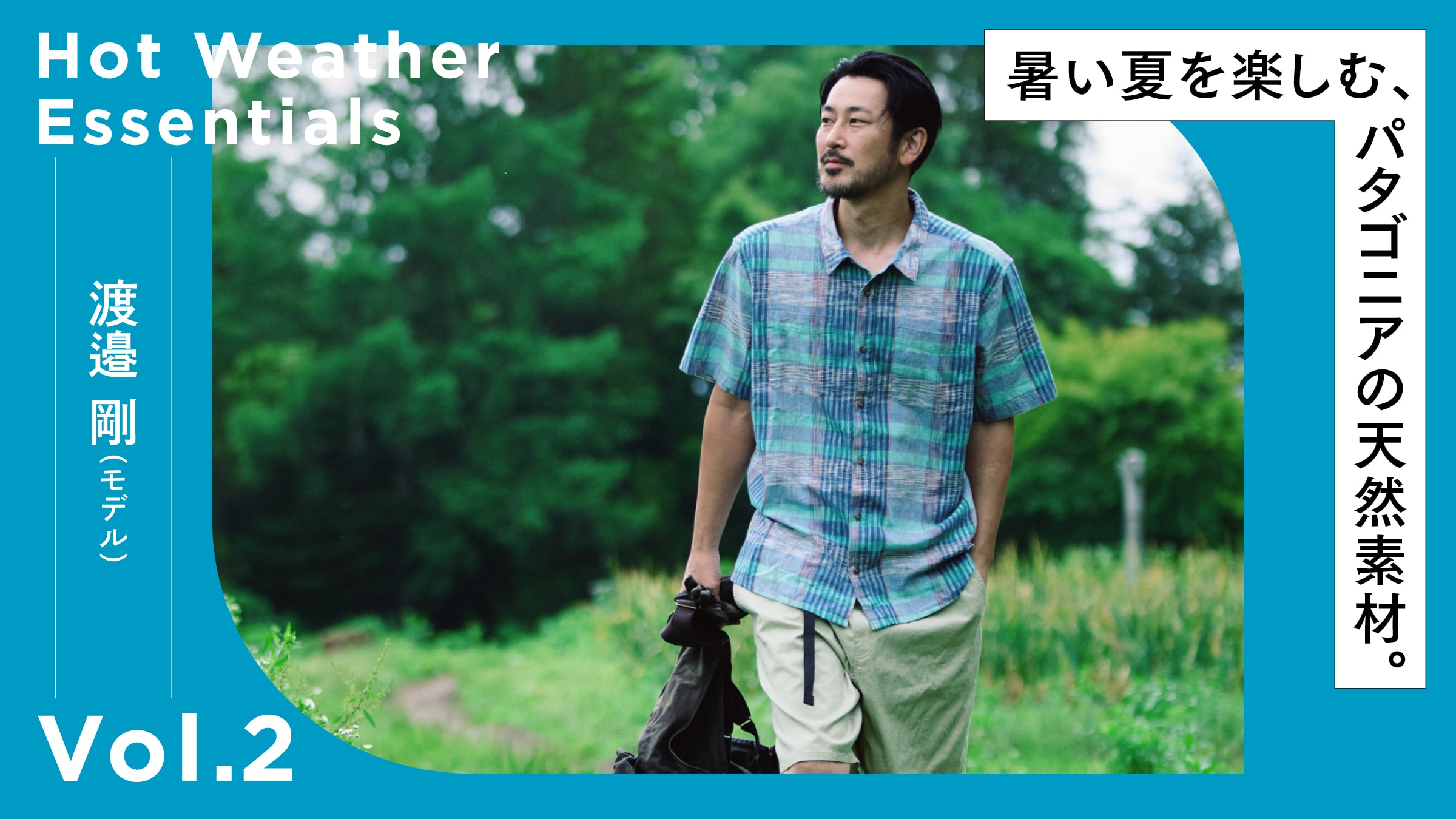
One of the things I wanted to do was farming. Cooking had always been a hobby of mine, and I used to subscribe to a regular delivery service for organic vegetables from Kumamoto and Miyazaki, but after my child was born, I decided to grow my own safe, reliable, and delicious vegetables. With the goal of pursuing the “sixth industry”—transforming the crops I grow into processed products—I’ve been honing my skills through apprenticeships at restaurants and bakeries, and this year marks my third year of owning my own farm. On this day, while checking on the condition of the fields, I harvested a small batch of onions.
"At this time of year, the crops haven't grown yet. The only things we can harvest right now are onions and garlic that overwintered, and rhubarb. We're growing two varieties of okra, four varieties of beans, and two varieties of tomatoes, among other things, in preparation for summer. I also grow beets, leafy greens, endive, and some slightly unusual items like white and purple carrots. Since nearby cafes and restaurants are always looking for unique vegetables—and I want to use them in my own cooking too—I figured there’s no need for me to grow the kinds of vegetables that are readily available.”
Although he sells his harvested vegetables at a local market, his primary motivation is the desire to share them with his family and friends. Even though the labor and costs are mounting, the desire to deliver his produce to people who share his commitment to organic farming is what drives Mr. Watanabe’s farming efforts.
"On the farm in the neighboring town that I rented before this one, no matter what I planted, the vegetables always grew beautifully. I even started to think I might actually have a talent for it. But I found out later that chemical fertilizers had been used on the soil. I know chemical fertilizers aren’t necessarily bad—and I understand they’ve supported Japanese agriculture because they allow for efficient cultivation. But what I want to do is organic farming. I want to grow my vegetables without pesticides, using compost made from vegetable scraps and fallen leaves.”
Chemical fertilizers are easy to use because they provide plants with the nutrients they need and take effect quickly. However, it’s said that overuse can reduce the number of soil microorganisms and disrupt the soil’s ecosystem. Realizing this, Mr. Watanabe decided to “nurture the soil” before growing vegetables.
“Vegetable scraps and fallen leaves are turned into compost by microorganisms, and that compost is then used to grow more vegetables. I want to recreate that cycle, even just a little, right here in my garden. It’s the philosophy of natural farming—after all, forests grow even without human intervention, don’t they? I want to grow vegetables using a natural cycle that’s as close to that as possible. But it’s one thing after another that doesn’t go as planned. When you’re dealing with nature, there are so many things beyond human control. I find it both difficult and fascinating to keep engaging with nature.”
In agriculture, no matter how hard you try, there are many things that are simply beyond human control. One of those is the weather. In recent years, record-breaking heat waves have been reported across the country, and Mr. Watanabe says that even in Karuizawa—a popular summer resort—the heat feels more intense than it used to.
“Until last year, I didn’t have a pump to bring water to my field, so I used a 25-liter tank to water the plants over and over again. But even after watering, the soil would dry out in about two hours. There were even times when seedlings I’d grown from seed would wither away from the heat the very next day after I transplanted them. It’s probably partly because my field still doesn’t retain enough moisture, but I think I’ll have to learn to cope with the heat by taking advantage of the rainy season or adjusting my planting schedule.”
- 1
- 2