Bringing the Flavors of Odawara to Italian Cuisine.
It was ready in the blink of an eye. Building on traditional Italian cuisine, Mr. Imai created a dish that exudes a sense of playfulness.

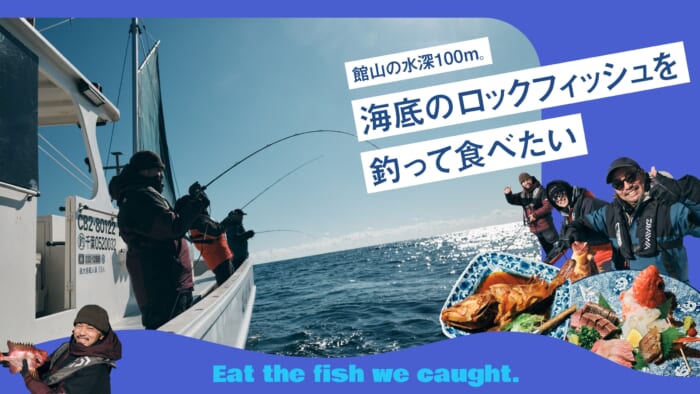
First, the Nenbutsu sea bream—which isn’t popular as a food—is used in “Ushio-jiru.” By using only salt and sake, we bring out the fish’s natural umami. Though the seasoning is simple, this dish allows you to savor the refined flavor of the fish.
Imai:First, my usual routine is to simmer the fish I’ve caught without adding any salt or sake to assess its natural umami. Doing this helps me figure out the right direction for seasoning. Although there isn’t much edible meat on a Nenbutsudai, it makes a great broth.
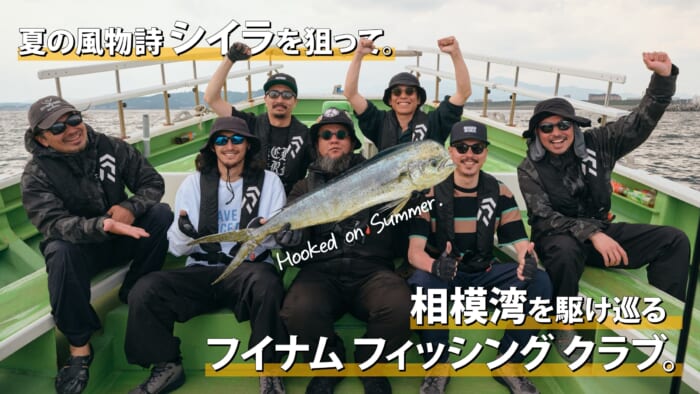
"Sanguinaccio," said to have originated in an Italian monastery, is a regional dish that combines fresh blood—such as pork blood—with chocolate. Taking inspiration from this, I decided to try pairing the blood from a mahi-mahi with chocolate. I mixed it with candied plums and oranges, then added depth with a fish sauce made from bonito caught off Ishigaki Island and “Yaimamu.”
Imai:Since “Sanguinaccio” doesn’t use fish, this is a new challenge for me. Mahi-mahi is caught in Sicily, and Sicily also has a dish where tuna is simmered in chocolate, so this should have a distinctly Italian feel. Since I didn’t catch any skipjack tuna today, I tried adding a hint of skipjack flavor using Yaimamu.
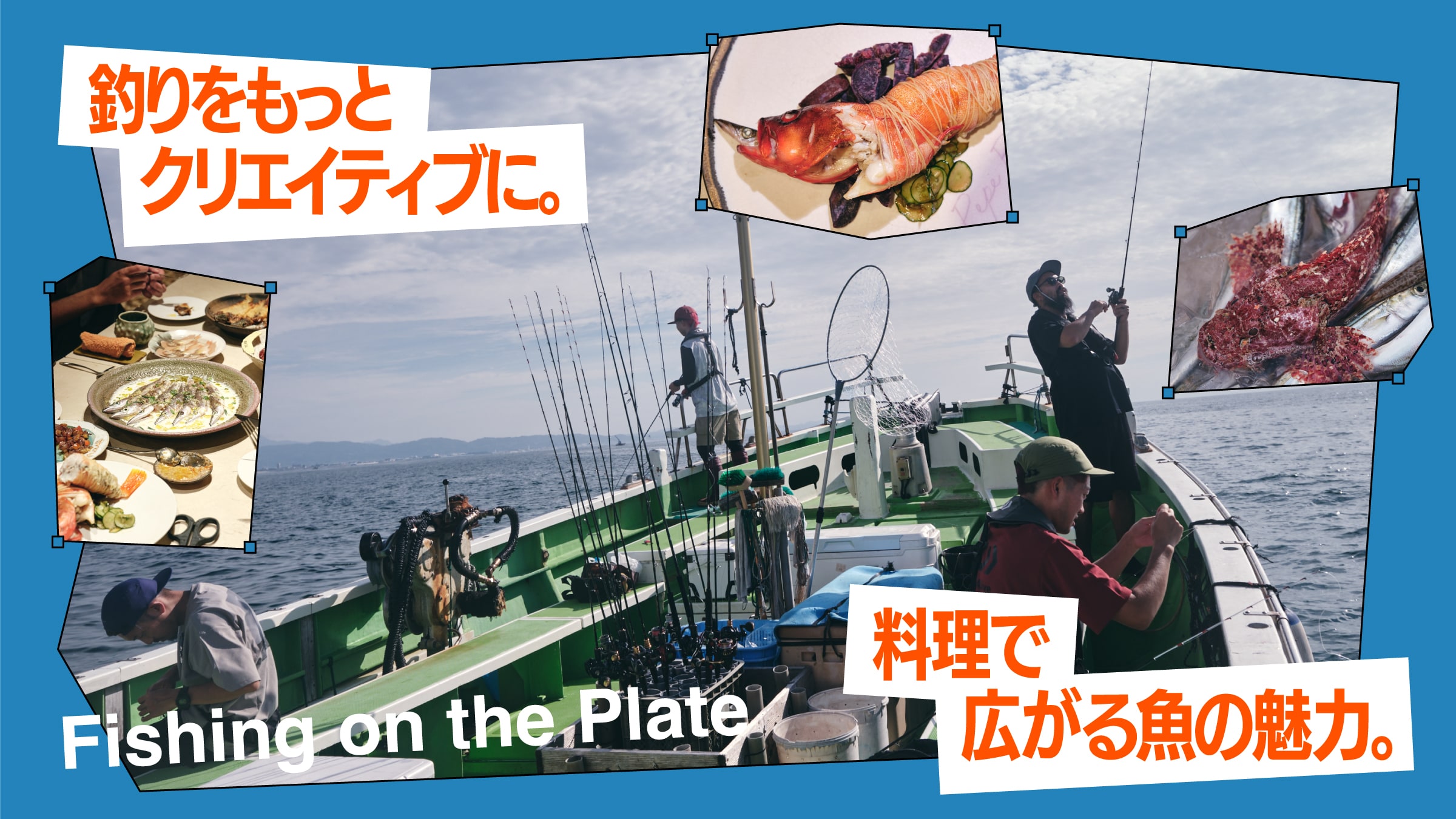
"In brodo" is an Italian cooking technique that uses broth made from meat or vegetables. We use rockfish and esox—which yield excellent broth—minced down to the bones to make the broth, then add homemade pasta to create an "in brodo" dish. We’ve generously topped it with a roasted red seabass.
Imai:Soup made with freshly caught fish is absolutely delicious. While “in broth” is typically made with chicken and beef, I thought fish might work well too, so I decided to give it a try.
The horse mackerel is prepared as “namero,” and bergamot olive oil is drizzled on top as a finishing touch to add an Italian flair. It’s seasoned with a wheat-based miso that evokes the flavors of Italy.
Imai:Italian cuisine is actually a collection of regional dishes. Within that, it’s also important to express yourself. Since horse mackerel is a common fish in Italy too, and I’m from Chiba Prefecture, I decided to make “namero.” Since the fish was so fresh, I didn’t add any seasonings.